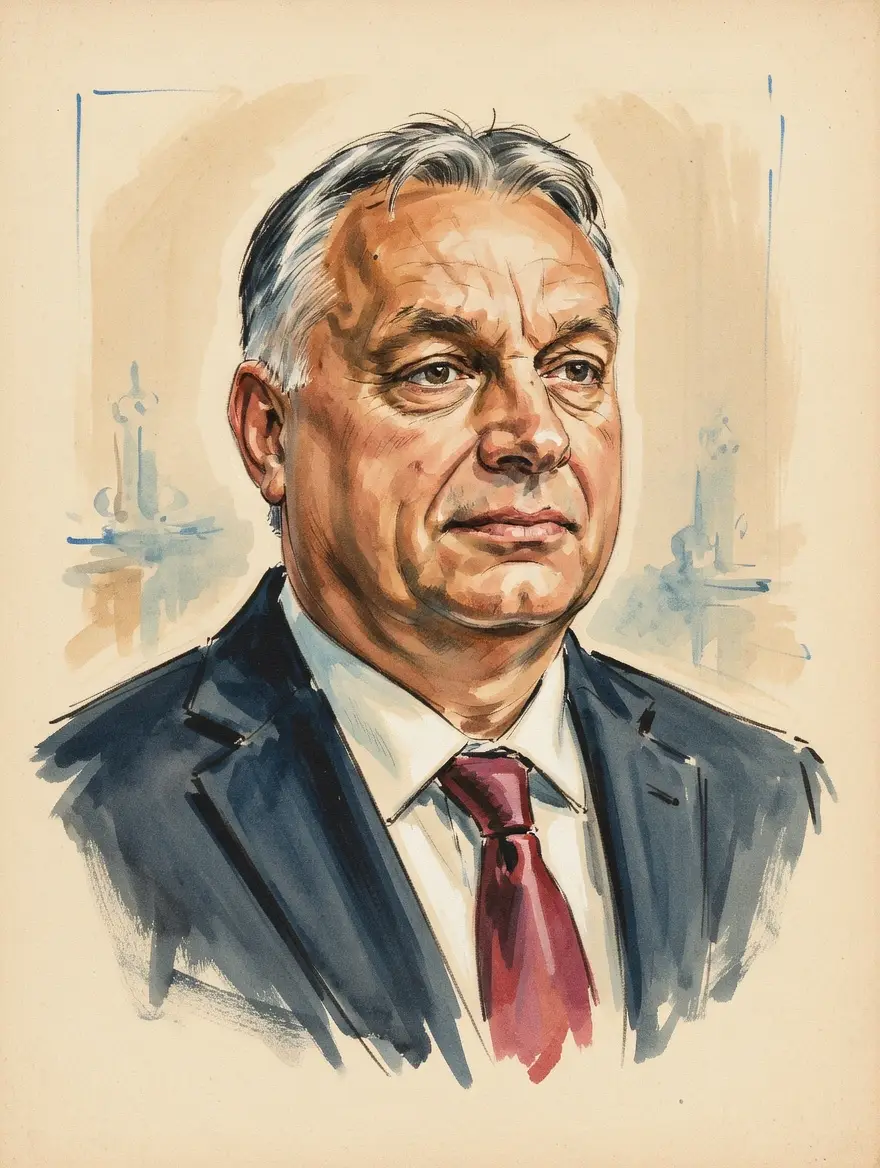
Viktor Orban on Democracy
TL;DR
Viktor Orban champions an 'illiberal democracy,' prioritizing national sovereignty over liberal democratic norms and institutions.
Key Points
He used an emergency enabling act during the coronavirus crisis to seek the power to govern by decree, potentially disabling parliamentary control.
The electoral system was reformed after 2010 to include 'winner compensation' that disproportionately benefited the plurality party, helping secure supermajorities with less than 50 percent of the vote.
His government has attacked the legitimacy of human rights defenders, portraying them as traitors and foreign mercenaries since coming to power in 2010.
Summary
Viktor Orban openly promotes a model he terms "illiberal democracy," explicitly claiming to have coined the phrase as a counterpoint to liberal or left-wing governance. This stance involves systematically dismantling or manipulating core democratic institutions, such as constitutional checks and balances, the judiciary, and the electoral system, to consolidate the ruling party's power. He has utilized parliamentary supermajorities to amend the constitution and pass hundreds of laws, including restructuring electoral districts through gerrymandering and altering voting rules like eliminating the two-round runoff system.
Since taking power in 2010, his approach has been described as "stealth authoritarianism," where the substance of democracy is hollowed out while a democratic appearance is maintained through legalistic manipulation. This includes consolidating control over media by using economic pressure and centralized advertising funds to favor government narratives, thereby shrinking the space for genuine political debate. Critics note that this process, often fueled by populist nationalist rhetoric that frames opponents as enemies, has caused Hungary's democratic rating to decline from "Free" to "Partly Free".
Key Quotes
Never let a good crisis go to waste when it offers opportunities for an authoritarian power grab.
Frequently Asked Questions
Viktor Orban advocates for an "illiberal democracy," explicitly rejecting the principles of liberal democracy in favor of national and conservative priorities. He has used his mandate to reshape Hungarian institutions to concentrate power within the executive branch, a process often described as democratic erosion.
While the core idea of an illiberal state has been a stated goal since 2014, his methods for achieving it have evolved and become more sophisticated over time. He has skillfully used successive crises, like the financial crisis or the refugee crisis, to implement further institutional changes that consolidate his power legally.
The main criticism is that he has systematically dismantled democratic checks and balances using the tools of democracy itself, such as parliamentary supermajorities and new laws. This manipulation of electoral rules and media environment means that while elections still occur, they are not considered free or fair by international observers.
Sources6
Orbán: The Art of Eroding a Democracy
Scowcroft Paper 20 | Anti-Democratic Politics in Hungary: Viktor Orbán and “Illiberal Democracy”
Hungary: Viktor Orban's Democracy at Risk
How Viktor Orbán Wins
How to Erode a Democracy: Hungary's Illiberal Turn Under Orbán
Orbán Uses Coronavirus to Put Hungary's Democracy in a State of Danger
* This is not an exhaustive list of sources.