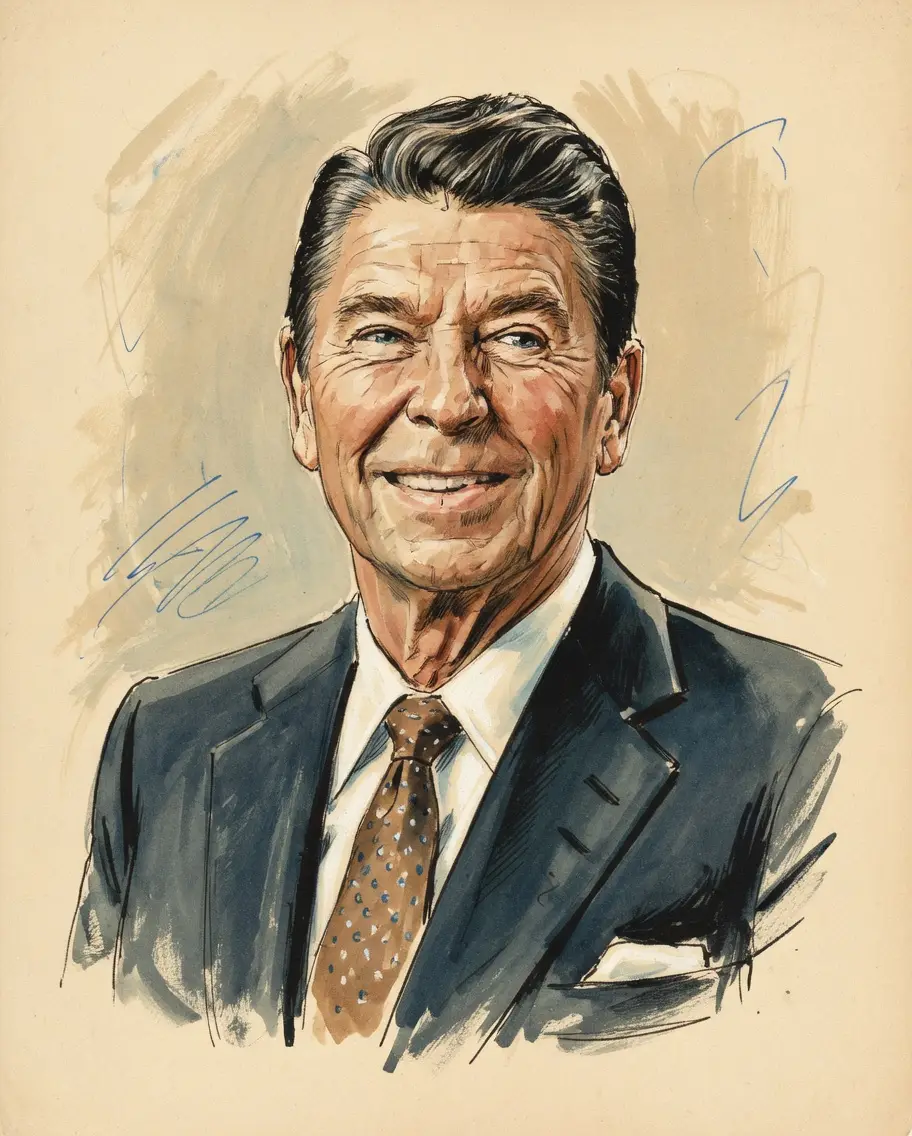
Ronald Reagan on Chile
TL;DR
Ronald Reagan strongly supported the Pinochet regime initially but later pressed for a transition to moderate civilian rule for strategic reasons.
Key Points
The administration publicly rejected Pinochet's plan to use violence to suspend the 1988 plebiscite, warning of serious consequences for Chile's U.S. relations on October 3, 1988.
Early in his term, Reagan reversed prior policy, viewing the Pinochet government as a needed anticommunist ally presiding over a model free market economy.
Declassified records show that in 1986, high-level officials debated offering Pinochet political asylum as a policy option to ease him out of power.
Summary
Ronald Reagan entered his presidency determined to reverse the previous administration's human rights focus in Latin America, embracing General Augusto Pinochet's military government in Chile as an ideological ally against communism. His administration publicly praised Pinochet for saving Chile from leftist chaos and supported the junta's anti-communist stance and free-market economic model, often overlooking human rights abuses during the first term. This initial approach, rooted in Cold War priorities, involved offering all possible support to consolidate the military's power.
However, Reagan’s policy began to evolve significantly during his second term due to growing domestic and international pressure, which highlighted the hypocrisy of supporting democracy while backing a dictator. Key State Department officials, influential during this period, successfully argued for promoting a return to civilian rule that would preserve U.S. interests and prevent the ascent of the political Left. This led to a two-track strategy of privately prodding Pinochet toward elections while publicly encouraging moderate opposition, culminating in U.S. pressure to prevent a violent disruption of the 1988 plebiscite, even considering offering the dictator asylum for an “honorable departure.”
Frequently Asked Questions
Ronald Reagan initially adopted a pragmatic foreign policy, viewing the government of General Augusto Pinochet as a key ideological ally in the Cold War. He favored stability and anti-communism over immediate human rights concerns, praising the dictator for countering leftist influence.
Yes, the Reagan administration's approach evolved, particularly in the second term, shifting toward encouraging a transition to civilian rule. This change was driven by internal State Department consensus and external political realities, moving away from unconditional support for the dictator.
The administration took active measures to ensure the 1988 plebiscite occurred without military sabotage by Pinochet, conveying warnings through diplomatic and military channels. This included sending messages to Chilean military contacts expressing concern over any attempt to disrupt the vote.
Sources7
White House, Presidential Evening Reading, Plan To Disrupt Chile's Plebiscite, October 3, 1988
The Untold Story of How the Reagan Administration Got Rid of Pinochet, Chile's Ruthless Dictator
Ronald Reagan: Chile Documents
Dead Ends in Chile Policy (Chapter 3) - Reagan and Pinochet
The Impact of President Reagan's Foreign Policy Efforts in Chile and Nicaragua
US considered offering asylum to Chilean dictator Augusto Pinochet
* This is not an exhaustive list of sources.