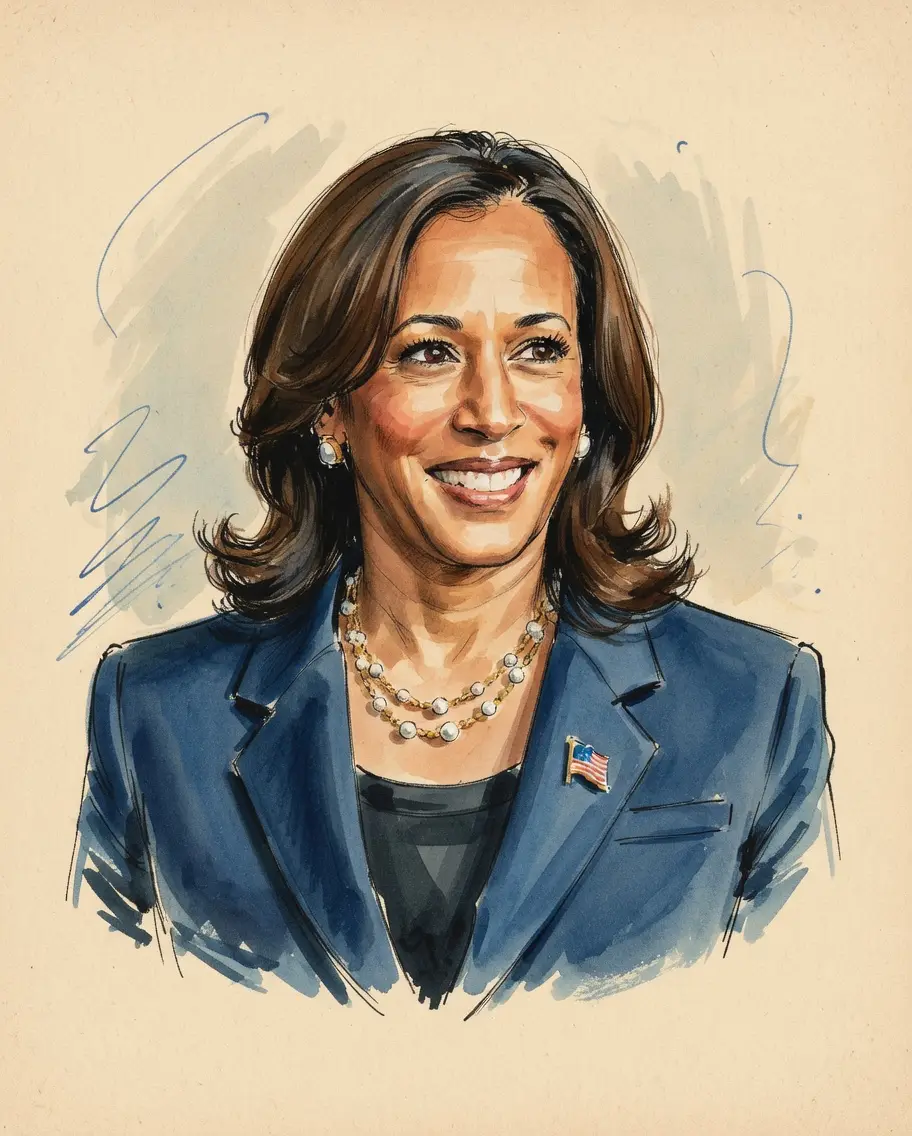
Kamala Harris on Climate Change
TL;DR
Kamala Harris views climate change as an existential threat, advocating for massive clean energy investment while continuing domestic fossil fuel production.
Key Points
As Vice President, she cast the tie-breaking vote for the Inflation Reduction Act, which allocated significant clean energy investments.
During her 2019 presidential run, she proposed a $10 trillion budget to achieve carbon neutrality by 2045 and co-sponsored the Green New Deal.
She has stated that a Harris administration would continue the Justice40 initiative, committing 40% of clean energy investments to historically disadvantaged communities.
Summary
Kamala Harris characterizes the climate crisis as an existential threat to the species and the planet, asserting that the clock is "banging" and urgent action is necessary to reduce greenhouse gas emissions and aid at-risk communities. Her policy approach centers on continuing and expanding upon the clean energy investments established by the Biden-Harris administration, notably building on the Inflation Reduction Act (IRA). This includes backing policies for clean energy, electric vehicles, and environmental justice initiatives like Justice40, which targets investments toward marginalized communities.
However, her current position reflects a pragmatic shift from her 2019 campaign, where she supported a $10 trillion plan for carbon neutrality by 2045 and a fracking ban. While still prioritizing clean energy, she has indicated an aversion to banning fracking and boasts about the administration's record-high domestic oil and gas production, creating an inherent tension in her stated goals to reduce emissions. Advocates note that while she frames climate change as a pocketbook issue affecting costs like insurance, some are frustrated by the lack of deep policy detail on emissions reduction while she campaigns.
Key Quotes
As district attorney, to go after polluters, I created one of the first environmental justice units in our nation. … Donald Trump stood in Mar-a-Lago and told Big Oil lobbyists he would do their bidding for a $1 billion campaign contribution.
Frequently Asked Questions
Kamala Harris strongly asserts that climate change is an existential threat requiring serious federal action to reduce greenhouse gas emissions. Her approach prioritizes substantial investment in a clean energy economy, building upon the Inflation Reduction Act passed under the Biden-Harris administration. She also emphasizes the environmental justice component, focusing on how climate change disproportionately affects lower-income and marginalized communities.
Yes, there is a notable evolution in her stated policy positions since her 2019 presidential campaign. In that campaign, she advocated for a ban on fracking and a $10 trillion plan for carbon neutrality by 2045. Currently, while maintaining an aggressive stance on clean energy, she does not support a complete ban on fracking, a shift attributed to political considerations in key states.
She has frequently framed climate change as a 'pocketbook issue,' linking it directly to tangible concerns for Americans such as soaring homeowner insurance costs due to extreme weather. She has also stressed the urgency of the situation, stating that the clock on climate action is not just ticking, but 'banging'.
Sources6
Kamala Harris urged to flesh out climate plan amid warnings about Trump
Kamala Harris' New Economic Plan Is a Win for Climate, Clean Energy Manufacturing, and the Middle Class
On the Issues: Comparing Climate Policies from Harris and Trump
What Would A Kamala Harris Administration Mean for Climate Action?
Fact Sheet: Kamala Harris on LGBTQ Issues: Climate Change
Where Harris and Trump stand on climate change policies | PBS NewsHour
* This is not an exhaustive list of sources.