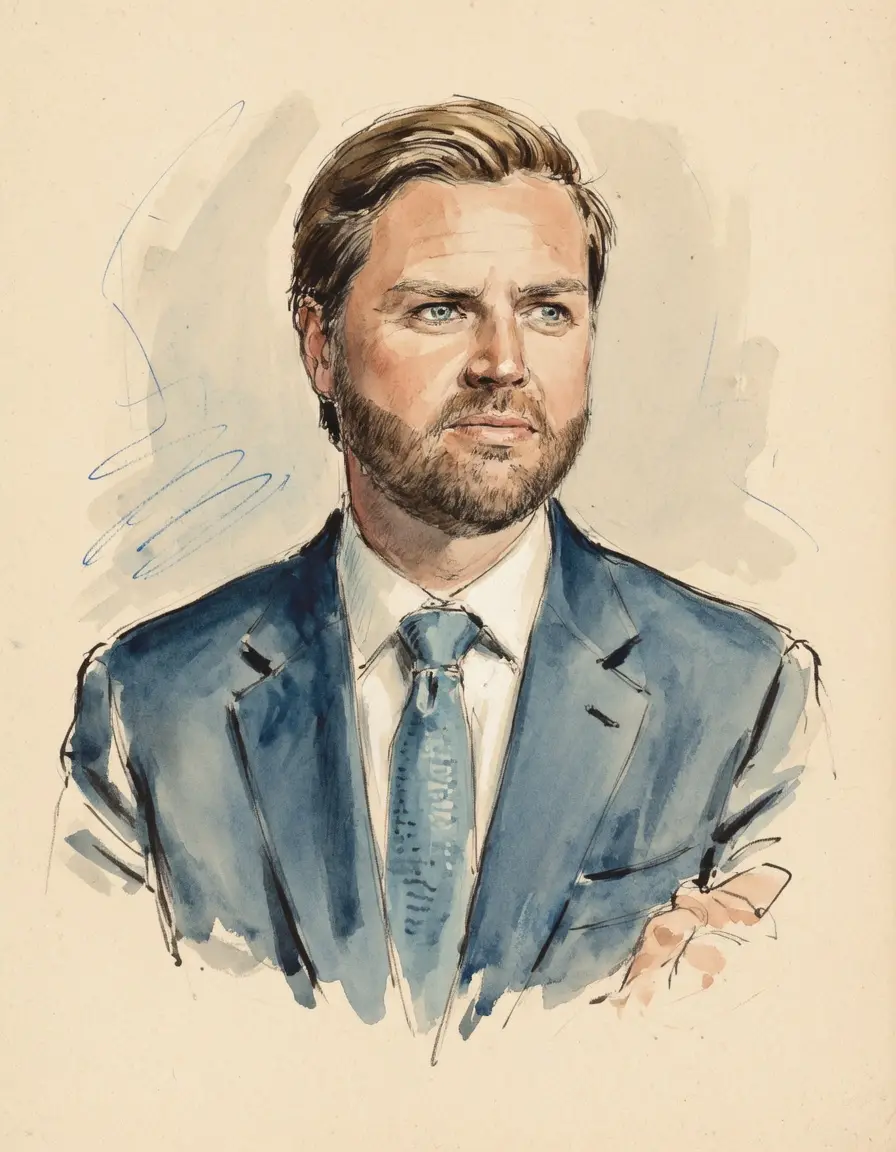
JD Vance on Catholicism
TL;DR
JD Vance converted to Catholicism in 2019 after a journey that involved previous Christian and atheist phases seeking intellectual and moral grounding.
Key Points
He was baptized Catholic in August 2019, choosing Augustine as his confirmation saint.
His journey included earlier phases as a Pentecostal Christian and an atheist influenced by secular elites.
He credited his Catholic faith with helping him increase patience, curb his temper, and choose his family over career.
Summary
JD Vance publicly details his personal journey which culminated in his baptism into the Catholic Church in August 2019. This conversion was not sudden, but followed years of intellectual and spiritual searching after leaving behind an atheist phase, which he attributed partly to social pressure from secular elites during his time at Yale Law School. His eventual embrace of Catholicism was influenced by finding a worldview that reconciled social and individual responsibility, concepts he found articulated powerfully in the works of Saint Augustine and philosopher René Girard. He noted that practicing the faith has helped him personally curb his temper and prioritize family.
His embrace of Catholicism has also coincided with his alignment with a Catholic intellectual movement some label as "postliberal," which advocates for a muscular government acting in the interest of the "common good." While Vance has stated that Catholic social teaching influences his thinking, he also acknowledges that in a democracy, he must accept that many of the Church's teachings are not politically palatable for the general populace. His association with postliberal thinkers and policy stances on issues like abortion have drawn commentary from various Catholic observers regarding his interpretation and application of his faith in the political sphere.
Frequently Asked Questions
JD Vance states he was received into the Catholic Church in a private ceremony in mid-August 2019. This conversion followed a gradual process of serious study after previously identifying as an atheist for several years.
Vance's conversion was influenced by philosophical reading, notably the works of Saint Augustine and René Girard, as well as a desire for a worldview that addressed both individual moral duty and social responsibility. He felt Catholicism best expressed the virtue-focused Christianity he learned from his grandmother.
Some critics and commentators have pointed to potential tensions between Vance's political positions and certain aspects of Catholic social teaching, particularly regarding immigration and abortion. He has acknowledged that not all Catholic teachings are politically feasible in a democracy.
Sources4
In His Own Words: J.D. Vance On Why He Converted to Catholicism
13 Things to Know About J.D. Vance's Catholic Journey
JD Vance's Catholicism helped shape his views. So did this little-known group of Catholic thinkers
Vance's perversion of Catholicism is unbearable : r/Christianity
* This is not an exhaustive list of sources.