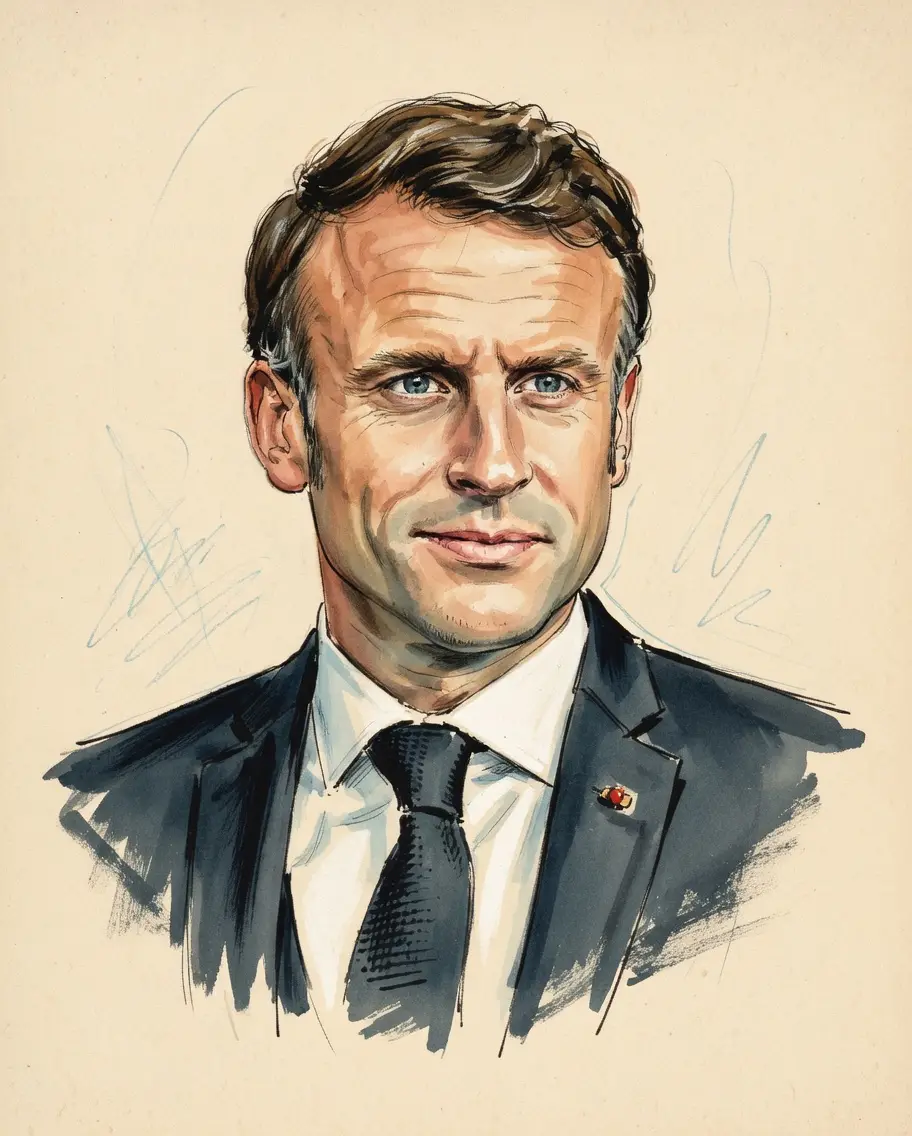
Emmanuel Macron on Donald Trump
TL;DR
Emmanuel Macron views Donald Trump as a source of profound geopolitical uncertainty that threatens European security and alliance cohesion.
Key Points
The EU, under pressure, stated it was ready to defend its interests following threats made by Donald Trump toward a member state in early March 2026.
Concerns over the steadfastness of U.S. commitment as an ally have spurred France to reassess and publicize its nuclear deterrence posture.
The former President shared messages from the French leader offering a G7 meeting after a January 2026 summit in Davos.
Summary
Emmanuel Macron views Donald Trump primarily through the lens of strategic risk to Europe, viewing his policies and unpredictability as undermining established transatlantic security frameworks. This stance is evidenced by France's increased focus on its independent nuclear deterrence capability, a measure taken precisely because European allies question whether Washington, under a Trump administration, would remain a steadfast guarantor of their defense. The French President has publicly emphasized the need for European strategic autonomy, suggesting a lack of full confidence in the continuity of U.S. commitment to the continent's security architecture.
This cautious stance has deep roots in previous interactions and the broader implications of the former president's "America First" approach, which created widespread concern across the EU regarding trade, climate, and defense. The current focus on nuclear posture suggests that Macron sees a potential return or continuation of such policies as requiring France to proactively insure against alliance frailties. Consequently, the relationship is characterized by a pragmatic alignment on necessary defense planning in the face of potential American disengagement, rather than simple diplomatic warmth.
Frequently Asked Questions
Emmanuel Macron views Donald Trump's potential or actual leadership with significant concern regarding its impact on European security and international stability. He sees the need for Europe to develop greater strategic autonomy to buffer against potential shifts in U.S. foreign policy under the former President. This perspective frames the relationship as one of necessary caution and geopolitical risk management.
Macron's fundamental stance, rooted in advocating for European sovereignty against transactional international politics, appears consistent, although the urgency has likely increased with Trump's return to prominence. While diplomatic engagement, such as sharing messages after Davos, occurs, the underlying concern over reliability remains a constant driver of French defense policy. This suggests an evolution in response intensity rather than a core shift in assessment.
The French President has voiced concerns that geopolitical shifts and past actions under the former President have rendered the reliability of the U.S. as a steadfast ally questionable. This uncertainty is a primary driver for Macron pushing allies to consider France's nuclear capabilities as a potential defense layer for Europe. He effectively positions France to hedge against unpredictable American foreign policy decisions.
Sources6
EU says ready to defend interests after Trump threatens Spain
Macron, France, U.S., Europe, Greenland: A moment for Trump reforms, or aggression?
Key U.S. Ally Humiliates Trump as He Slams ‘Consequences’ of War
Trump shares messages from France’s Macron offering G7 meeting after Davos
Europe's worries about Trump in spotlight as Macron heads to French nuclear sub base
Key U.S. ally humiliates Trump
* This is not an exhaustive list of sources.