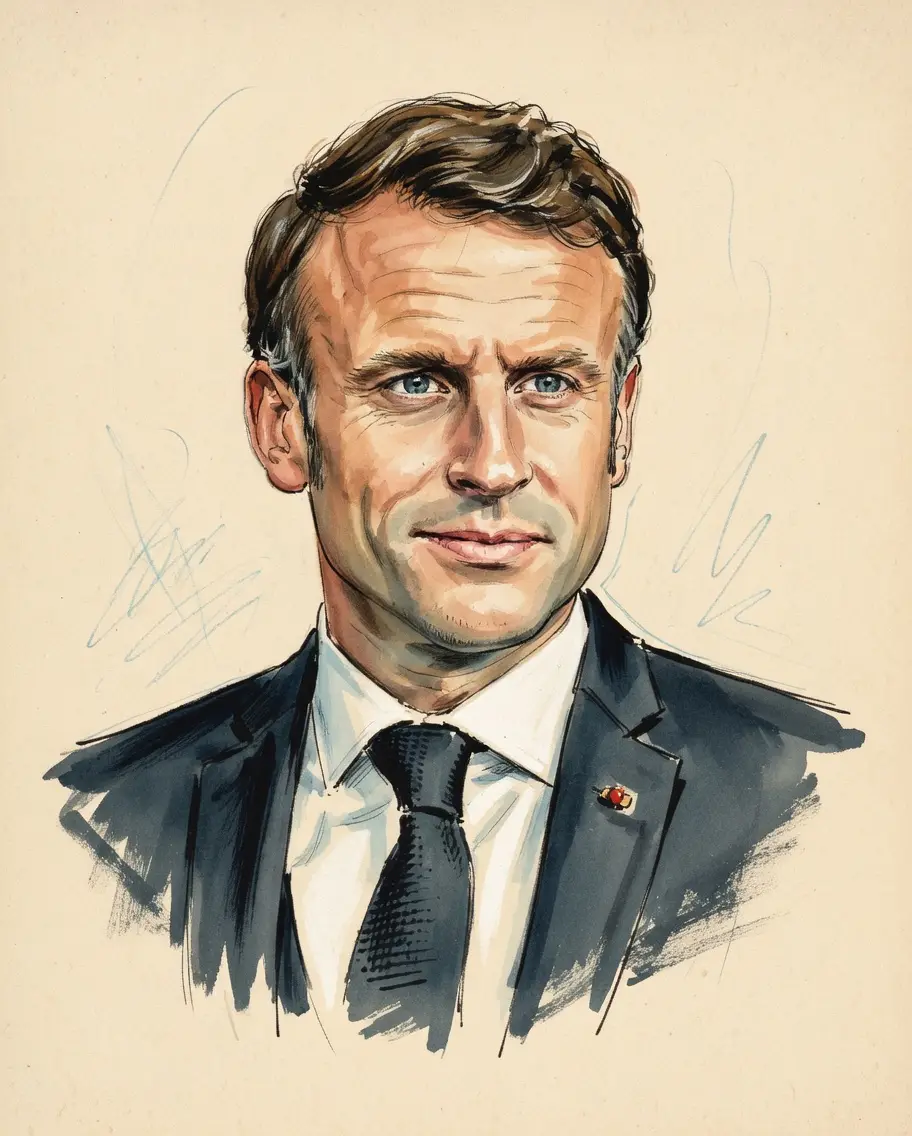
Emmanuel Macron on China Trade
TL;DR
Emmanuel Macron advocates for Europe to practice 'de-risking' with China while maintaining necessary dialogue and increasing mutual investment.
Key Points
He declared that the 'period of European naivety is over' concerning Chinese investments in the EU around 2019.
France played a role in prompting the European Commission to launch anti-dumping investigations into subsidized Chinese electric vehicle makers in 2023.
During his December 2025 visit, the President proposed to 'promote mutual investment' as a key concept for bilateral economic growth.
Summary
Emmanuel Macron's core position on China trade has evolved from early optimism to one centered on strategic autonomy and 'de-risking, not decoupling,' driven by France's doctrine and concerns over China's industrial policies and market barriers. France initially benefited greatly from trade with China, particularly in aerospace and luxury goods, but a growing trade deficit, which reached €2.92 billion between 2022 and 2023, has fueled strategic caution. He now champions tightening safeguards on critical technologies and infrastructure and has supported EU-level actions, such as anti-dumping investigations into subsidized Chinese electric vehicles.
Despite this firmer stance, the President seeks to maintain an open dialogue, framing France as a 'power of balances' independent of the United States. While pushing for reciprocity and a fairer trade environment within the EU framework, he also encourages Chinese firms to invest in France and seeks collaboration in new areas like the green and digital economies. This dual-track approach balances economic protectionism with a desire to continue selective cooperation, though trade disputes, like the one over EU brandy tariffs, show the inherent tensions in the relationship.
Key Quotes
France fully endorses President Xi Jinping’s proposals for reforming and improving global governance and promoting a more balanced global economy.
Frequently Asked Questions
Emmanuel Macron advocates for a strategic shift in Europe's approach to China, emphasizing 'de-risking' to protect the continent's technological and economic sovereignty. He seeks to curb unfair trade practices while simultaneously encouraging greater mutual investment between the EU and China.
Yes, his stance has evolved significantly; he transitioned from an early proponent of constructive engagement to a vocal advocate for a more cautious and realist policy. This shift is marked by his acknowledgment that European 'naivety' regarding Chinese investments is over, leading to support for stricter EU defenses.
The President supported the European Commission's action to impose tariffs on Chinese electric vehicle producers due to concerns over state subsidies. This move was part of a broader strategy to enhance European industrial competitiveness and resilience against perceived market distortions.
Sources4
France's policy on China: Strategic autonomy and less naïveté
Macron urges Chinese firms to invest in France, EU as tech gap widens
Macron in China: Trade, Trust and a Shared Vision for Multilateralism
EU and France Press Xi for More Balanced Chinese Trade Ties
* This is not an exhaustive list of sources.