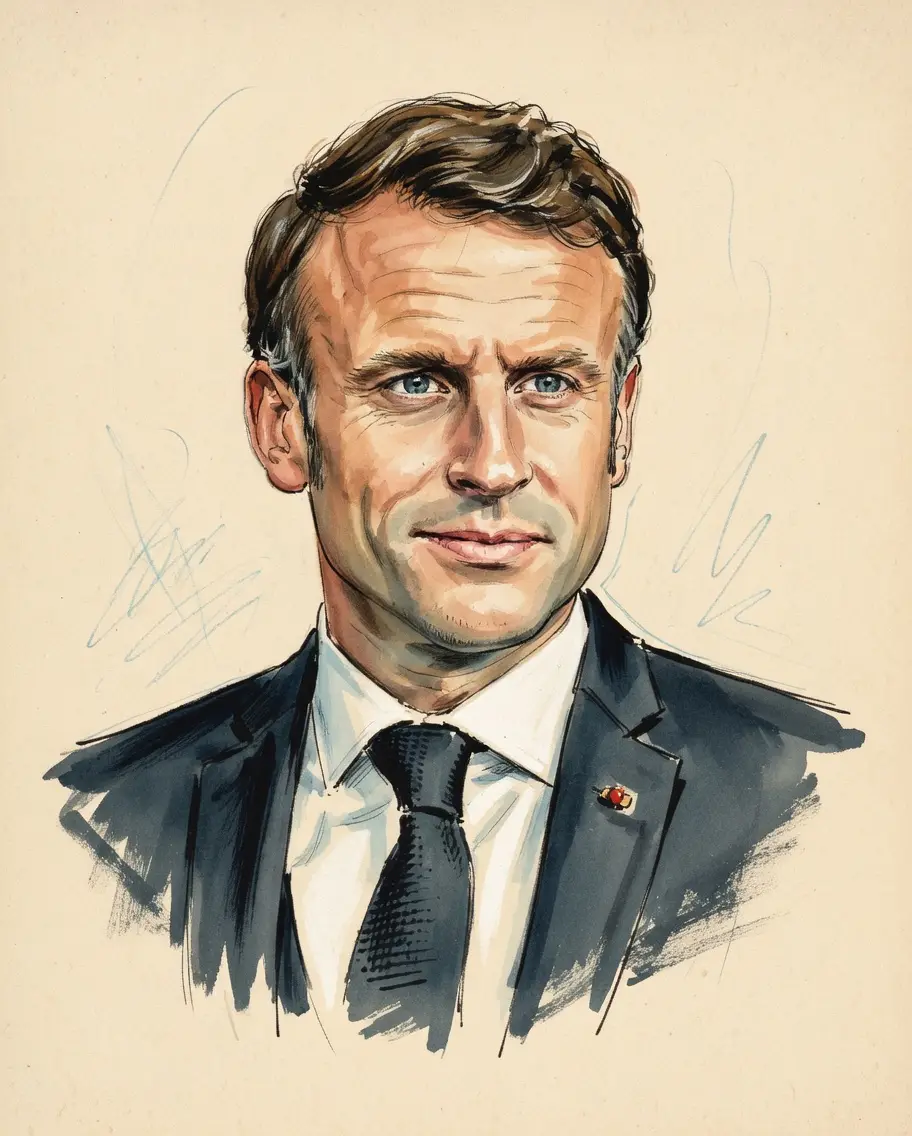
Emmanuel Macron on China
TL;DR
Emmanuel Macron seeks strategic autonomy for Europe via balanced engagement with China on trade, technology, and global governance.
Key Points
He reaffirmed commitment to multilateralism and improving global governance with China in a joint statement in December 2025.
The President warned China that France would impose tariffs similar to the United States if the trade imbalance was not addressed.
France upholds the one-China policy while advocating for Europe to achieve strategic autonomy in its relationship with Beijing.
Summary
Emmanuel Macron continues to pursue a Neo-Gaullist vision of strategic autonomy for France and Europe in relation to China, aiming for a “Third Way” independent of the Sino-American binary. His diplomatic approach blends calls for deeper economic ties, investment, and cooperation on global issues like climate change and governance with firm demands for better trade reciprocity and technology transfer. During his 2025 visit to China, this tension was evident as official statements emphasized shared interests in multilateralism and expanded economic cooperation across sectors like nuclear energy and green technology, while key agenda items like the Ukraine war and the large European trade deficit saw no major Chinese concessions.
The substantive impact of this positioning is debated, as structural constraints and the weight of trans-Atlantic security ties limit his maneuverability, which Beijing appears to recognize. While he has threatened tariffs over the trade surplus and criticized the influx of subsidized Chinese goods, he also welcomes Chinese foreign direct investment and technology sharing, though Beijing remains guarded about cutting-edge technology. Furthermore, the President has directly countered Chinese narratives on the Global South to his university audiences, signaling where France's fundamental values lie despite the pursuit of pragmatic statecraft and a stable partnership with China.
Key Quotes
“China is welcome, but what we need is more Chinese foreign direct investments in Europe, in some key sectors, to contribute to our growth, to transfer some technologies, and not just to export towards Europe, some devices or products which sometimes don't have the same standards, or are much more subsidized, than the ones being produced in Europe.
“I told them that if they did not react, we Europeans would be forced in the months ahead to take similar measures to the United States, for example by imposing tariffs,”
Frequently Asked Questions
Emmanuel Macron seeks a complex balance, advocating for European strategic autonomy by engaging with China as a key partner for global governance and economic cooperation. However, he maintains a firm stance on trade fairness, threatening tariffs in response to large trade surpluses and subsidized competition. His approach is one of dialogue tempered by clear assertions of European economic interests.
The core philosophical approach rooted in strategic autonomy, similar to Gaullism, remains consistent, but the emphasis on economic reciprocity has intensified. He has evolved from focusing primarily on dialogue to more vocally threatening unilateral trade measures, like tariffs, if China does not address imbalances like subsidized exports. This suggests a more assertive economic posture accompanying the diplomatic balancing act.
Emmanuel Macron stated that he wants more Chinese foreign direct investment and technology transfer, not just exports of subsidized products that threaten European sectors. He highlighted that some Chinese products do not adhere to the same standards as those produced in Europe. In response, China countered that its competitive edge comes from R&D and market competition, not subsidies.
Sources7
Is Emmanuel Macron's Neo-Gaullism on China Substantive or Performative?
Joint Statement Between the French Republic and the People's Republic of China on Enhancing Global Governance
China responds to what French president Emmanuel Macron said is 'problem' with Chinese products; says: China has never ...
Macron, Pandas, and Ping Pong
France's Macron threatens China with tariffs over trade surplus - Les Echos
President Xi Jinping Holds Talks with French President Emmanuel Macron_Ministry of Foreign Affairs of the People's Republic of China
President Xi Jinping Has Amicable Exchanges with French President Emmanuel Macron in Chengdu
* This is not an exhaustive list of sources.