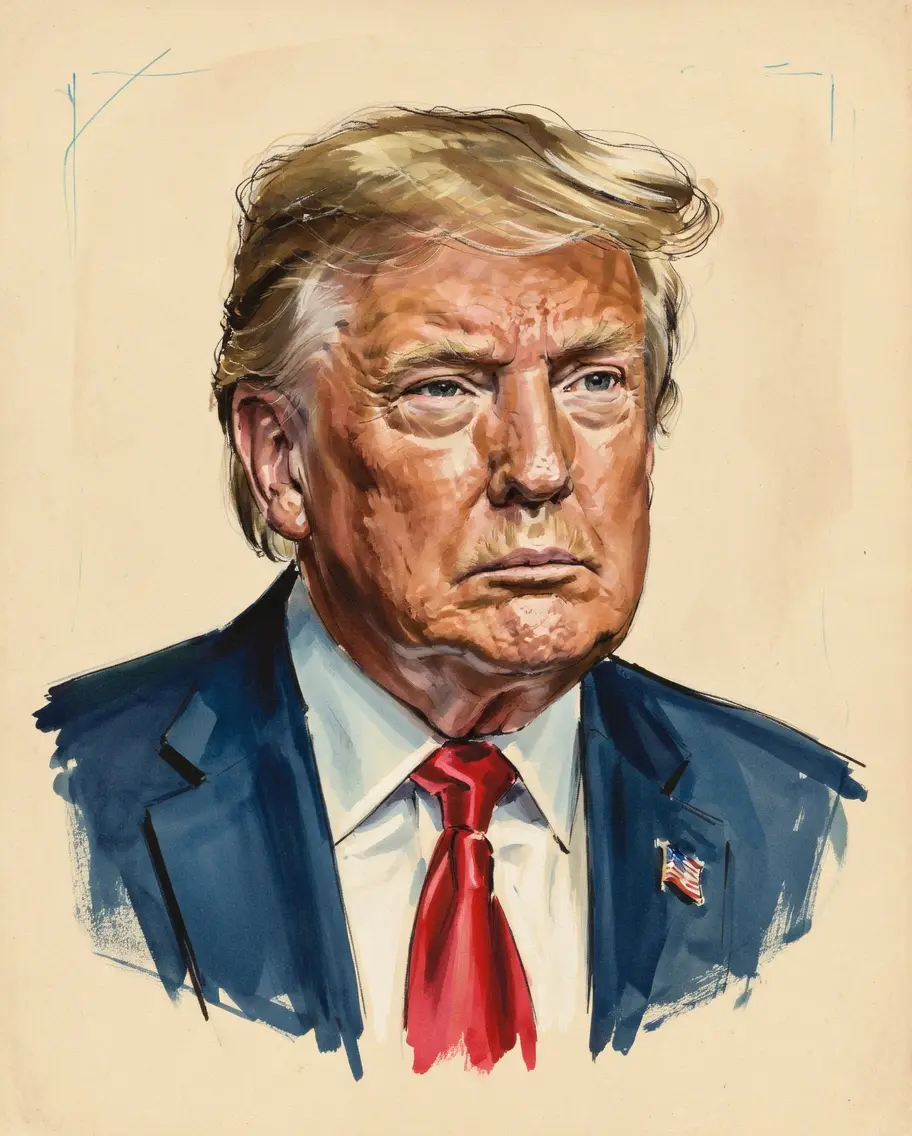
Donald Trump on Economy
TL;DR
Donald Trump advocates for an America First economic policy centered on high tariffs and deregulation to boost domestic industry.
Key Points
Tariffs have sharply escalated, with the average rate jumping significantly during his second term compared to his first.
Manufacturing employment has reportedly fallen since he took office, despite claims that tariffs would revive the sector.
His policies have been linked to unprecedented increases in the federal budget deficit and national debt.
Summary
Donald Trump’s economic stance prioritizes domestic production through aggressive trade protectionism, most notably through substantially increased tariffs, which he claims will generate revenue and bring manufacturing jobs back to the U.S. He frequently boasts of economic successes under his administration, often characterizing the period as a 'roaring economy' with rising incomes, despite public sentiment surveys suggesting widespread dissatisfaction, particularly regarding affordability. The focus on tariffs is intended to lower the trade deficit, although some analysis indicates the costs are largely borne by U.S. consumers through higher prices.
His economic agenda also involves curtailing net immigration, significant tax cuts, and large expenditures, leading to substantial increases in the federal budget deficit and national debt, which some experts argue risks long-term financial instability. Furthermore, his administration has faced criticism for policies that have allegedly increased the cost of necessities, contributed to an affordability crisis for many Americans, and weakened the dollar's international standing despite strong stock market performance. His economic vision often clashes with conventional economic models regarding the near-term impacts of these shocks.
Frequently Asked Questions
Donald Trump strongly favors an economic policy focused on 'America First' principles, characterized by high tariffs on imports and deregulation to protect domestic industries. He believes these measures create a booming economy with rising incomes and job growth. However, critics argue these policies exacerbate affordability issues for many Americans.
The approach under his second term has seen a dramatic escalation in tariff rates and scope compared to his first term, suggesting a hardening of his protectionist stance. While the core themes of tax cuts and deregulation remain, the scale of trade intervention appears significantly larger now.
Donald Trump claimed the economy was 'roaring' with plummeting inflation and fast-rising incomes following his policies. He attributed economic strength to his actions, particularly on trade. Conversely, public polling and analyses often show many Americans are struggling with high prices and see a much gloomier economic reality.