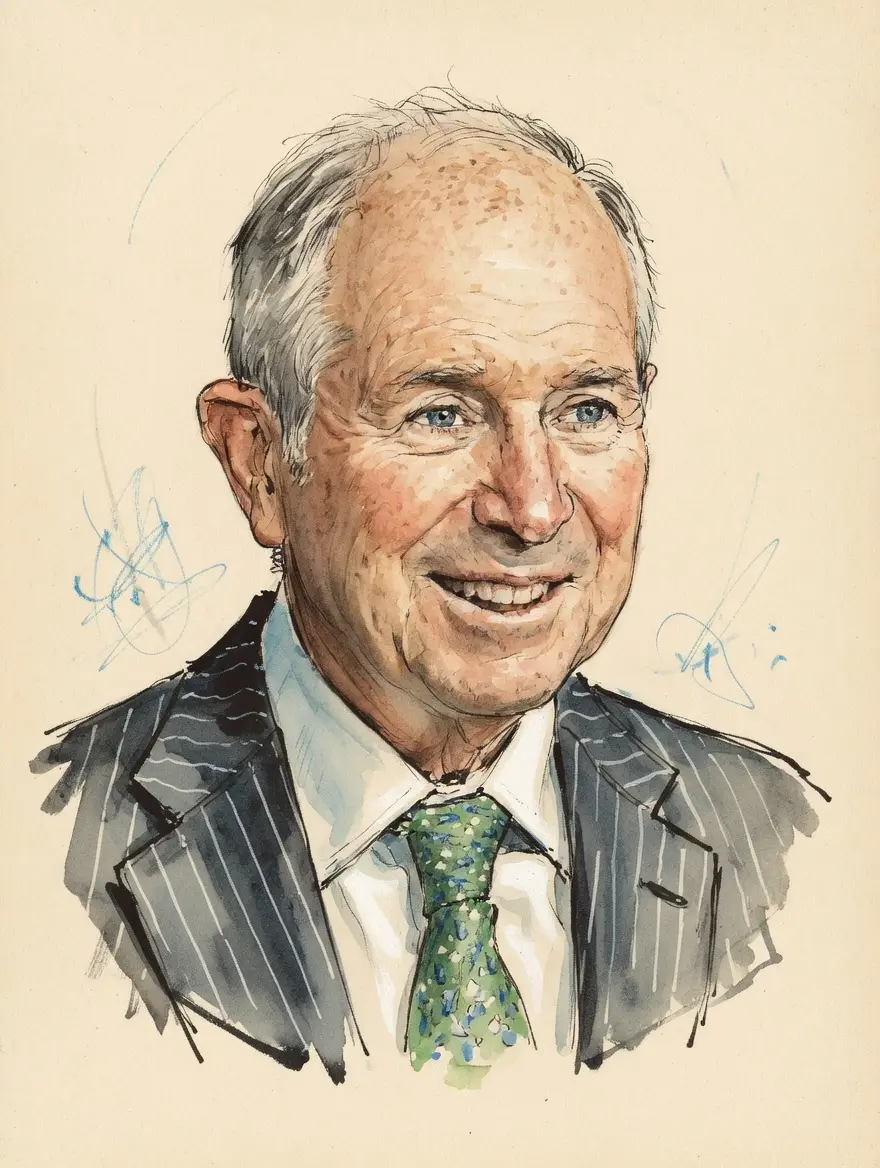
Steve Schwarzman on Tariffs
TL;DR
Steve Schwarzman views ongoing tariff disputes as a temporary source of uncertainty that must be resolved quickly for economic growth.
Key Points
He characterized the trade disputes as "negotiating tariffs" rather than genuine long-term policy barriers.
The tariff turmoil dominated discussions regarding dealmaking during the second half of a specific year, leading to slower transactions.
He believed the situation would essentially be finished within six to nine months following his comments.
Summary
Steve Schwarzman, CEO of Blackstone, expressed that the uncertainty caused by trade disputes, specifically tariffs, was dominating dealmaking discussions and slowing transactions, though he believed the situation would resolve within six to nine months. He framed the tariffs not as permanent trade barriers but as temporary "negotiating tariffs," suggesting they would ultimately be resolved through substantive negotiation. His primary concern was the disruption they caused to the economy and investment climate.
He noted that this period of uncertainty, however, created an unintended positive consequence by making Europe a more attractive place for global investors seeking diversification away from the volatile US market. While the tariff situation was disruptive in the short term, he did not foresee it leading to a recession and expected economic activity to pick up once the trade issues were settled. His firm's investment strategy was noted as continuing despite the turmoil, suggesting a degree of insulation or a long-term view beyond the immediate trade friction.
Frequently Asked Questions
Steve Schwarzman's main concern regarding tariffs was the short-term disruption and uncertainty they created in the business environment. He felt this uncertainty slowed down dealmaking and investment processes across the market. However, he viewed them as temporary negotiating tactics rather than permanent trade policy.
No, the CEO of Blackstone did not anticipate that the tariff issues would trigger a recession. He expressed a belief that economic activity would slow temporarily in the second and third quarters before turning around once the trade disputes were resolved. He maintained that the US fundamentals remained strong.
The tariffs had an effect of encouraging global investors to seek diversification away from the US market. According to Steve Schwarzman and his colleague, this volatility placed Europe in a unique position to capture more investment capital. This shift was seen as a positive development for European markets seeking investment.
Sources5
Blackstone's Schwarzman says 'prospect for change in Europe' is opening up opportunities for private equity; Tariff turmoil dominated H2 dealmaking
Major US trade groups are pressing the Trump administration to distribute tariff refunds 'en masse'
Blackstone's Schwarzman says 'prospect for change in Europe' is opening up opportunities for private equity; Tariff turmoil dominated H2 dealmaking
Schwarzman and Gray: Europe in unique position to capture more investment
How the Trump Oligarchy Works: The Case of Stephen Schwarzman
* This is not an exhaustive list of sources.