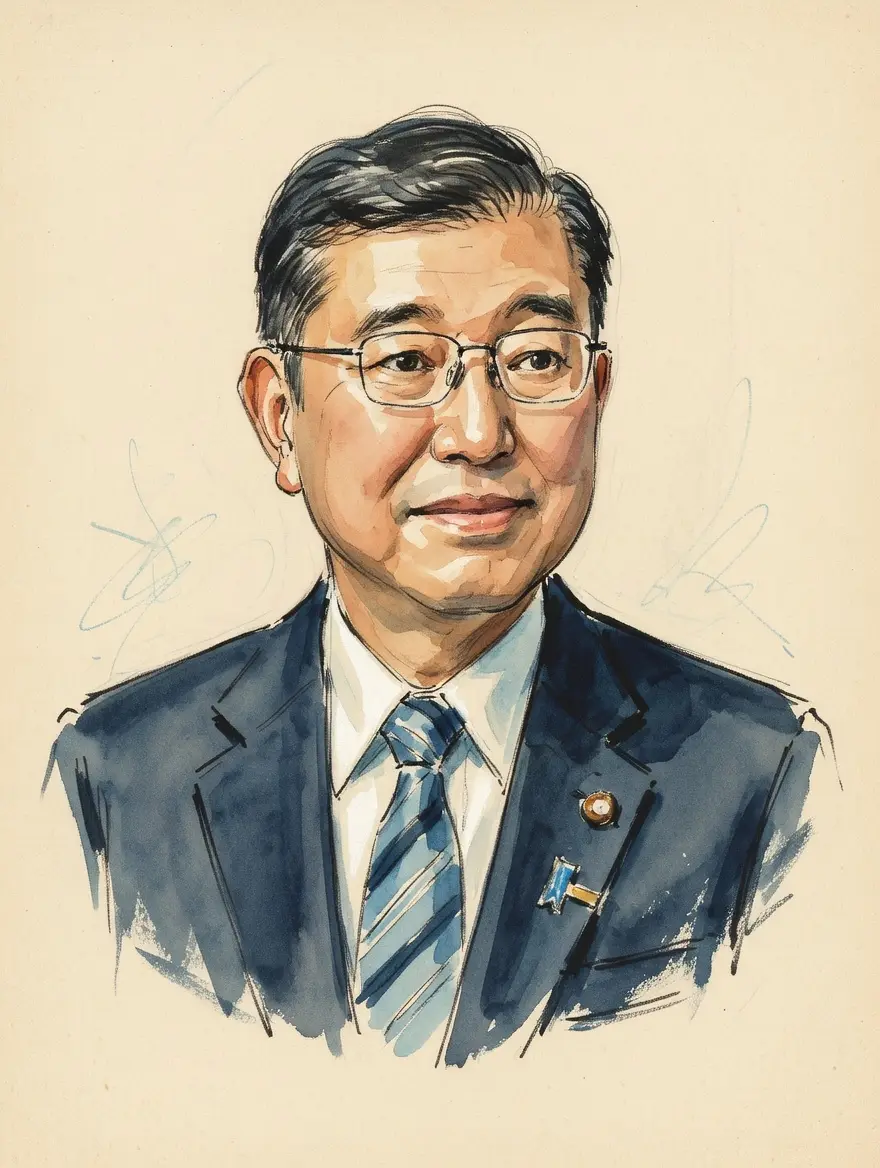
Shigeru Ishiba on China Policy
TL;DR
Shigeru Ishiba pursues a policy balancing deterrence against China with robust diplomacy to foster a constructive and stable relationship.
Key Points
He affirmed the importance of a 'strategic mutually beneficial relationship' with China during a November 2024 meeting with President Xi Jinping.
The administration announced the introduction of 10-year multiple-entry tourist visas for Chinese travellers in reciprocation for resumed visa waivers.
His policy framework is noted for lacking ministers affiliated with the hawkish former Prime Minister Shinzo Abe's faction, seen positively by Beijing.
Summary
Shigeru Ishiba’s China policy, a continuation of his predecessor’s framework, centers on employing both deterrence and diplomacy to manage relations with Beijing. During a meeting in November 2024, he confirmed a commitment with President Xi Jinping to comprehensively promote a strategic mutually beneficial relationship and construct a constructive and stable tie. This diplomatic outreach has seen progress, including China lifting restrictions on Japanese seafood imports and reinstating a visa-free regime for short-term Japanese visitors.
However, this balancing act faces significant domestic criticism, with some in his ruling party perceiving the administration as leaning too far toward China, especially following electoral setbacks in July 2025. Despite increased activity from Chinese military forces near Japan and incidents involving Japanese nationals in China, Ishiba prioritizes maintaining dialogue channels, viewing exchanges between lawmakers as important amid poor United States-China relations. He seeks to strike a balance between the United States and China while maintaining deterrence against potential Chinese coercion.
Key Quotes
promoting a “mutually beneficial relationship based on common strategic interests” and building “constructive and stable Japan-China relations”
Frequently Asked Questions
Shigeru Ishiba advocates for a policy that combines deterrence with active diplomacy to maintain constructive and stable relations with China. He works to balance this approach with the strengthening of the alliance with the United States, which is a core tenet of his diplomacy.
Yes, Shigeru Ishiba has faced increasing bipartisan criticism over perceived "China leaning" from some lawmakers following his tenure's start. Critics argue his administration advanced relations too quickly without full party consensus or sufficient reciprocity from Beijing.
The administration successfully confirmed a path toward improved relations, including China agreeing to lift restrictions on Japanese seafood imports. Military-to-military exchanges also resumed, and high-level political dialogue channels were reinvigorated after years of dormancy.