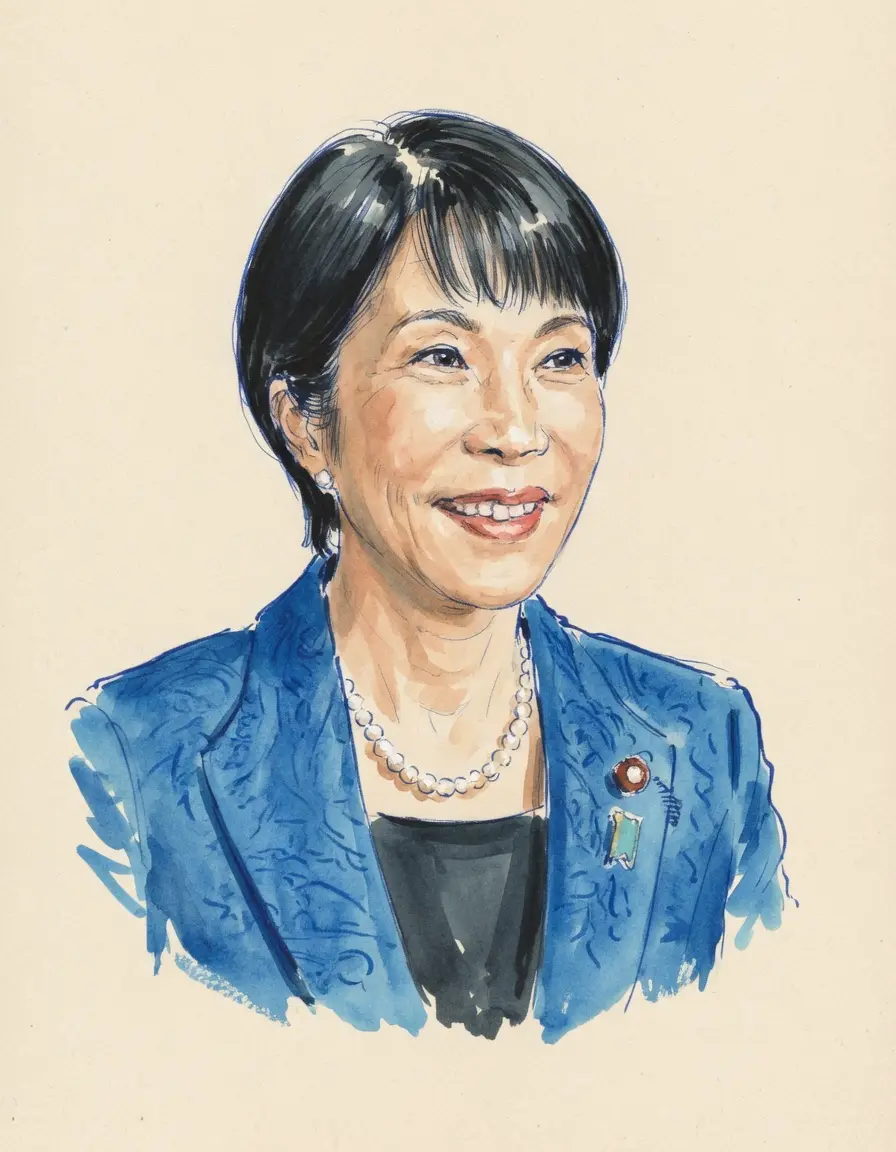
Sanae Takaichi on Immigration
TL;DR
Sanae Takaichi's stance suggests a cautious approach to large-scale immigration reform, focusing instead on national priorities.
Key Points
Her political victory was viewed as delaying a reckoning for immigration reform in Japan.
Her cautious approach suggests resistance to major liberalization of immigration policies.
Foreign residents note a sense of anxiety surrounding her leadership concerning their status.
Summary
Sanae Takaichi has generally indicated a cautious or skeptical stance regarding large-scale immigration reform, often framing the issue within the context of Japan's existing demographic challenges and national interests. Her political history suggests a focus on maintaining domestic stability and prioritizing existing citizens' welfare over rapid liberalization of immigration policies.
This position is characterized by a reluctance to endorse sweeping changes that could alter Japan's cultural or social fabric significantly, contrasting with more liberal voices on the issue. Her emphasis tends to be on economic and security matters, where immigration policy may be secondary or approached with significant restraint regarding the speed and scope of any potential changes.
Key Quotes
We must properly examine whether (foreigners) are paying taxes, whether they are paying their health insurance premiums,
For those who come [to Japan] with financial motives and claim that they are refugees, I'll have you go home.
Takaichi has ordered relevant ministries to draft revisions of policies affecting foreigners by January 2026, with expectations this will address unpaid pension and health insurance premiums, visa overstays, land purchases and illegal logging.
Frequently Asked Questions
Sanae Takaichi has signaled a generally cautious approach toward significant immigration reform in Japan. Her focus tends to be on domestic stability rather than rapid liberalization of foreign worker or residency rules.
While specific shifts are not widely documented, her recent political positioning suggests a continued emphasis on national interests over sweeping immigration changes. The general political climate implies she is not prioritizing radical openness.
Sanae Takaichi has not been a vocal champion for broad immigration expansion, leading analysts to suggest her leadership will delay major reforms. Her statements frame the issue cautiously within Japan's broader demographic situation.
Sources5
Takaichi’s victory delays Japan’s reckoning on immigration reform
Takaichi makes final appeal to voters
Sanae Takaichi, Japan’s leader, wants to cooperate with U.S. in rare earths development
Don’t believe everything you read in the media about Japan’s strong anti-immigrant streak
Foreigner fatigue and Japan’s new populism
* This is not an exhaustive list of sources.