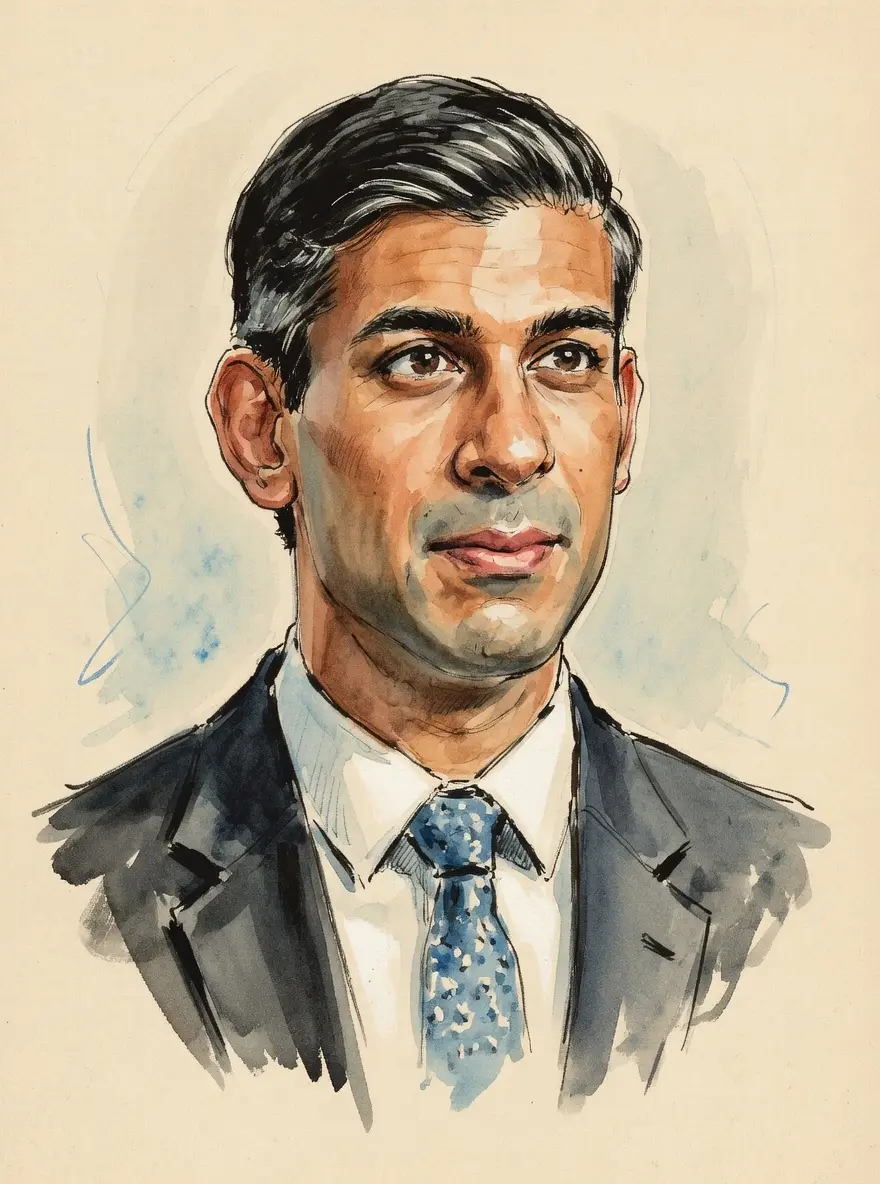
Rishi Sunak on Climate Change
TL;DR
Rishi Sunak advocates a pragmatic, proportionate path to 2050 net-zero by easing burdens on families and industry.
Key Points
He postponed the ban on new petrol and diesel car sales from 2030 to 2035 in September 2023.
He increased the grant for the Boiler Upgrade Scheme by 50% to £7,500 as part of his revised policy.
The government's former climate adviser stated in April 2024 that his policy dilution had 'set us back' from climate leadership.
Summary
Rishi Sunak, as Prime Minister, announced a significant shift in the United Kingdom's approach to achieving net-zero emissions by 2050, framing it as a more pragmatic and realistic strategy to retain public consent. He argued that previous plans imposed "unacceptable costs on hard-pressed British families" through measures like early bans on new gas boilers and petrol/diesel cars, which he claimed were not fully debated. His new approach postpones the ban on new petrol and diesel cars from 2030 to 2035 and relaxes mandates for switching to heat pumps, while simultaneously increasing the grant for the Boiler Upgrade Scheme to £7,500. He insisted the 2050 target remains legally binding and is proud of the UK’s fastest G7 emissions reduction since 1990.
This policy reversal, however, has drawn sharp criticism from environmentalists and industry leaders who suggest it damages the UK's international reputation and undermines investor confidence, especially following a failed offshore wind auction. Critics argue that delaying action increases the long-term cost of decarbonisation and puts the UK off track for interim legally binding carbon budgets. Sunak counters these criticisms by emphasizing continued investment in green industries, such as increasing funding for Sizewell C nuclear power and announcing reforms to speed up energy grid infrastructure development, positioning his government as still committed to leading in green technology while avoiding what he terms 'ideological zeal.'
Key Quotes
At his party's annual conference in Manchester in early October, Sunak declared that the new climate policies were a “pragmatic, proportionate, and realistic approach to reaching net zero” emissions by 2050.
Frequently Asked Questions
Rishi Sunak unequivocally states he remains committed to the UK’s legally binding target of achieving net-zero emissions by 2050. However, his administration advocates for a 'pragmatic, proportionate, and realistic approach' to reaching this goal, which involves delaying certain interim phase-out deadlines to ease costs on the public.
Yes, the Prime Minister announced significant changes to key climate policies in September 2023, which are widely described as a U-turn or rollback of previous commitments. These changes included delaying the phase-out of petrol and diesel cars and loosening rules on heat pump installation.
The main changes involved pushing the ban on new petrol/diesel cars back five years to 2035 and scrapping mandatory energy efficiency standards for rental properties. He presented these as necessary to protect families from 'unacceptable costs' and maintain public consent for the overall net-zero mission.
Sources6
PM speech on Net Zero: 20 September 2023
In-depth Q&A: What do Rishi Sunak's U-turns mean for UK climate policy?
Why Is Britain Retreating from Global Leadership on Climate Action?
Sunak has 'set Britain back' on net zero, says UK's climate adviser
Rishi Sunak's net zero strategy is not more honest and pragmatic | Institute for Government
Rishi Sunak's net zero U-turn puts UK business investment at risk
* This is not an exhaustive list of sources.