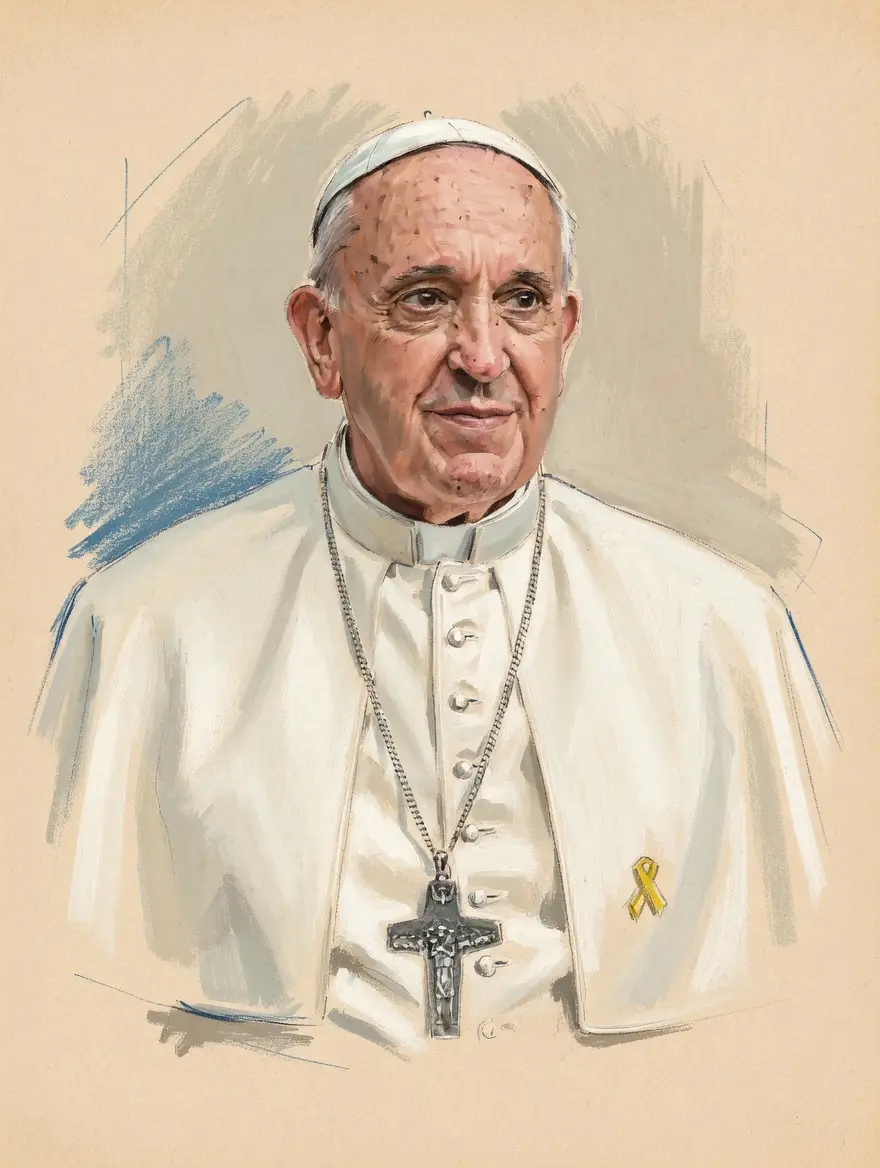
Pope Francis
- Known for
- Humility, Mercy emphasis, Climate change focus
- Born in
- Buenos Aires, Argentina
- Education
- Chemical Technician's Diploma, Sankt Georgen Graduate School of Philosophy and Theology
Pope Francis, the first Jesuit and Latin American pontiff, was defined by his commitment to mercy, humility, and a radical focus on the poor and migrants. He steered the Catholic Church toward a more accessible, service-oriented ethic, often challenging established norms of formality and hierarchy.
Signature Positions
Francis championed a progressive social and environmental agenda throughout his papacy:
- Climate Change: Made action on climate a leading focus, publishing the landmark encyclical Laudato si' and condemning ecocide as a sin.
- Capital Punishment: Revised Catholic teaching to declare the death penalty inadmissible in all cases and actively worked for its worldwide abolition.
- LGBTQ+ Rights: Adopted a welcoming tone, famously asking "Who am I to judge?" and permitting the blessing of same-sex unions outside of liturgical contexts.
- Poverty & Capitalism: Criticized trickle-down economics and consumerism, advocating for universal basic income and higher taxes on billionaires.
- Church Governance: Convened the Synod on Synodality to foster decentralization and greater lay participation, making women full voting members of synods for the first time.
Notable Tensions
Francis's tenure was marked by significant internal theological and policy friction:
- LGBTQ+ Issues: While supporting civil unions and condemning criminalization, his stance on same-sex blessings (Fiducia supplicans) sparked fierce opposition from conservative bishops globally, particularly in Africa.
- Traditional Liturgy: His decision to restrict the use of the Traditional Latin Mass via Traditionis custodes drew harsh criticism from traditionalist Catholics and several cardinals.
- China Relations: His conciliatory approach toward the CCP regarding bishop appointments was heavily criticized for potentially undermining religious freedom among Chinese Catholics.
- Abuse Crisis: Faced criticism over the handling of abuse cases, including early leniency toward Father Inzoli and support for Bishop Barros, though he later apologized for errors in judgment.
How Views Have Evolved
The Pope's approach to certain issues evolved notably during his time in office.
Francis shifted his stance on the death penalty from traditional Church practice to declaring it inadmissible based on human dignity, codified in the Catechism.
Regarding China, his initial conciliatory efforts evolved into public reprimands when Beijing violated the 2018 agreement, though dialogue was ultimately maintained.
His international diplomatic role was significant, exemplified by brokering the restoration of US-Cuba relations and actively engaging in peace efforts between Israel and Palestine.
Francis deliberately cultivated a humble public image, residing in the Vatican guesthouse instead of papal apartments and favoring simple vestments, distancing himself from Curia bureaucracy and clericalism.