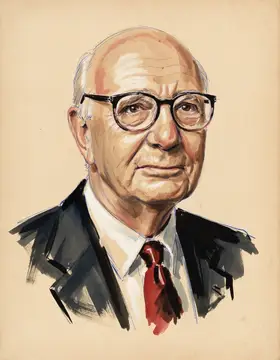
Paul Volcker on Ronald Reagan
TL;DR
Paul Volcker, while fighting inflation, experienced friction with Ronald Reagan's fiscal policies but respected the need for Fed independence.
Key Points
The President renominated Paul Volcker for a second term as Federal Reserve Chairman in 1983.
Volcker privately expressed being "stunned" when a White House Chief of Staff ordered him not to raise rates before the 1984 election.
The combination of the Fed's tight money policy and the Reagan Administration's expansive fiscal policy led to large federal budget deficits.
Summary
Paul Volcker, as Federal Reserve Chairman, maintained a necessary but sometimes tense working relationship with the administration of Ronald Reagan, primarily over macroeconomic policy. The core of Volcker's position was an unyielding commitment to drastically reduce the high inflation inherited from the 1970s, which required the tight monetary policy known as the Volcker shock that caused a deep recession. While Reagan's administration supported this anti-inflationary stance—for which he received credit when inflation eventually fell—there was ongoing tension regarding the large federal budget deficits created by the administration's expansive fiscal policy, including tax cuts and increased military spending. Volcker reportedly asserted the Fed’s independence, even resisting private pressure from the White House not to raise interest rates before the 1984 election, although he generally avoided outright public conflict with the President.
Despite the policy misalignment on fiscal matters, Volcker was renominated by the President for a second term in 1983, suggesting a fundamental, if sometimes strained, mutual respect for the necessity of the Fed's independence. This period highlighted a classic conflict: Volcker’s focus on monetary stability versus the administration’s focus on supply-side fiscal stimulus and deficit acceptance. Observers noted that Reagan's decision to support Volcker through the painful recession, rather than publicly denounce the Fed's actions, was crucial for the ultimate success of the disinflationary effort, cementing a complex but consequential partnership.
Key Quotes
Forget about what the Administration says at the moment.”
"have to call the shots as we see them."
Frequently Asked Questions
Paul Volcker's primary concern regarding the Reagan administration centered on its expansive fiscal policy, particularly the large federal budget deficits resulting from tax cuts and increased spending. He felt this fiscal stance created macroeconomic imbalances that could undermine the fight against inflation.
Yes, Ronald Reagan is widely credited with giving Paul Volcker the political support needed to pursue the tight monetary policy necessary to break the back of inflation, even when it caused a severe recession. This support was key to the policy's eventual success.
No, Paul Volcker and the Reagan administration often differed, especially concerning fiscal matters where Volcker advocated for deficit reduction while the President pursued tax cuts. However, Volcker asserted the Federal Reserve's independence on monetary policy and Reagan ultimately allowed him to operate without direct interference.
Sources7
Lessons for today: The conflict between Reagan and Volcker
Paul Volcker - Wikipedia
Volcker and the Reagan Legacy
What Was Going on Between the White House and the Federal Reserve in the Early 1980s?: Daily Focus
Volcker's Announcement of Anti-Inflation Measures | Federal Reserve History
Commanding Heights : Reaganomics | on PBS
Remarks by President Reagan during announcement of the resignation of Paul Volker and appointment of Alan Greenspan as chairman of the Federal reserve. Press Lobby.
* This is not an exhaustive list of sources.