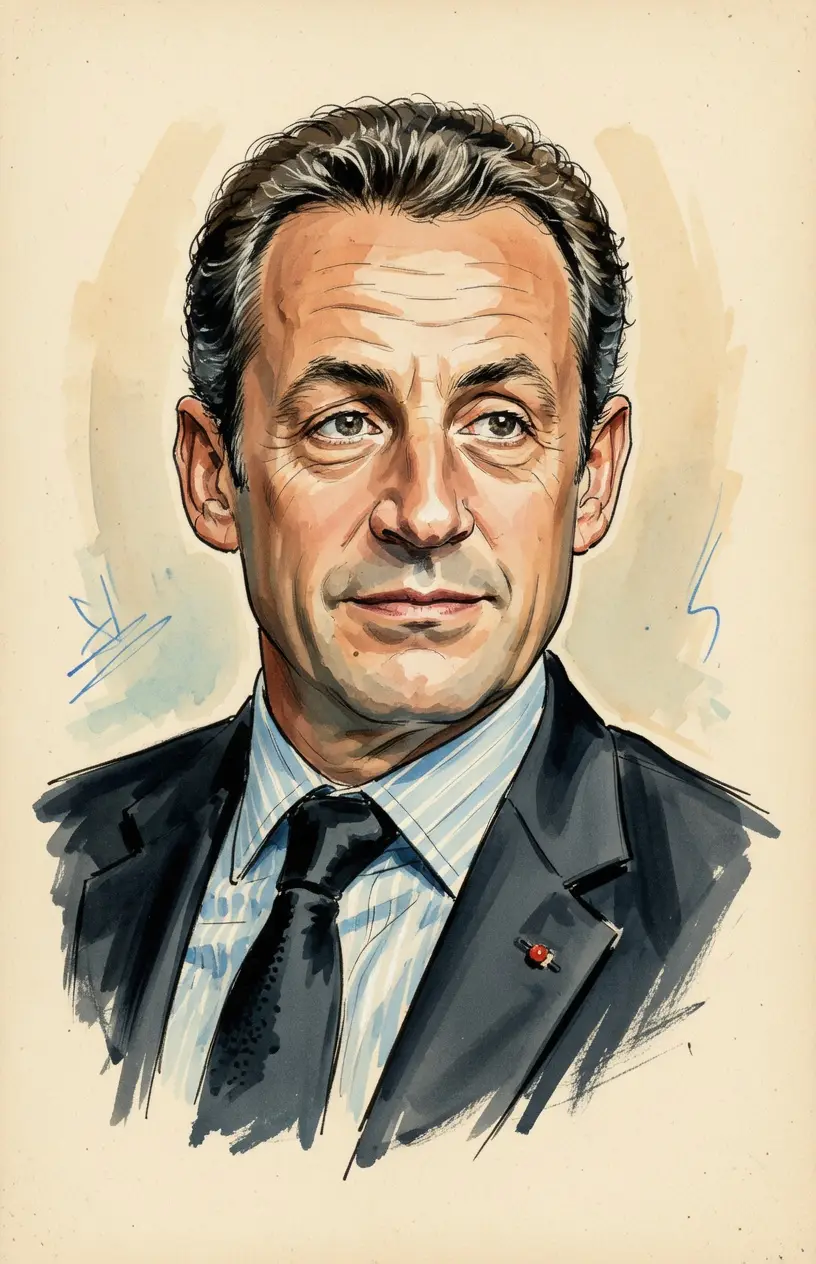
Nicolas Sarkozy
- Known for
- President of France, UMP party leader, Convicted criminal
- Born in
- Paris, France
- Education
- D.E.A. business law, Sciences Po
Nicolas Sarkozy served as President of France from 2007 to 2012, defining an era of assertive, pro-American conservatism often called 'Hyper-président' for its centralized power. His tenure blended neoliberal economic reforms with strong stances on security and a willingness to break with traditional French foreign policy isolationism.
Signature Positions
Sarkozy's presidency and career were marked by several clear policy thrusts:
- Economic Policy: Advocated for liberal reforms like reducing inheritance tax and loosening work-hour regulations, though later pivoted toward state interventionism during the 2008 financial crisis.
- Security and Immigration: Promoted tougher law-and-order policies, including calls to 'cleanse' suburbs with 'Kärcher' rhetoric, and proposed vetting immigrants for skilled labor needs.
- International Affairs: Shifted French foreign policy to be more pro-US and pro-Israel, notably leading the intervention in Libya against Gaddafi.
- Constitutional Reform: Pushed through key constitutional changes to introduce presidential term limits and grant parliament more control over its agenda.
- Controversial Statements: Drew widespread criticism for remarks on African history and social issues, often sparking accusations of racism or insensitivity.
Notable Tensions
Sarkozy’s political trajectory is defined by several inherent contradictions and controversies:
- Ideology: He rejects the 'liberal' label, preferring 'pragmatist,' yet pursued policies widely seen as laissez-faire, before declaring 'laissez-faire capitalism is over' during the financial crisis.
- Legal Issues: His post-presidency has been dominated by criminal convictions related to illegal campaign financing (Bygmalion Affair) and corruption linked to alleged Libyan financing of his 2007 campaign, resulting in his 2025 incarceration.
- Foreign Policy Consistency: While seeking closer US ties, he famously opposed NATO membership for Georgia and Ukraine, aligning with Angela Merkel.
- Image Control: Despite his energetic public image, he was highly sensitive about his height and was accused of aggressively controlling media coverage, exemplified by the 'Casse-toi, pauv'con' incident.
Sarkozy's career spans local power (Mayor of Neuilly-sur-Seine) to the national stage, positioning him as a skilled, charismatic, and divisive figure in the conservative movement. His eventual endorsement of Emmanuel Macron in 2022 highlights his complex role in shaping the modern French Right following his own political defeats and subsequent legal troubles.