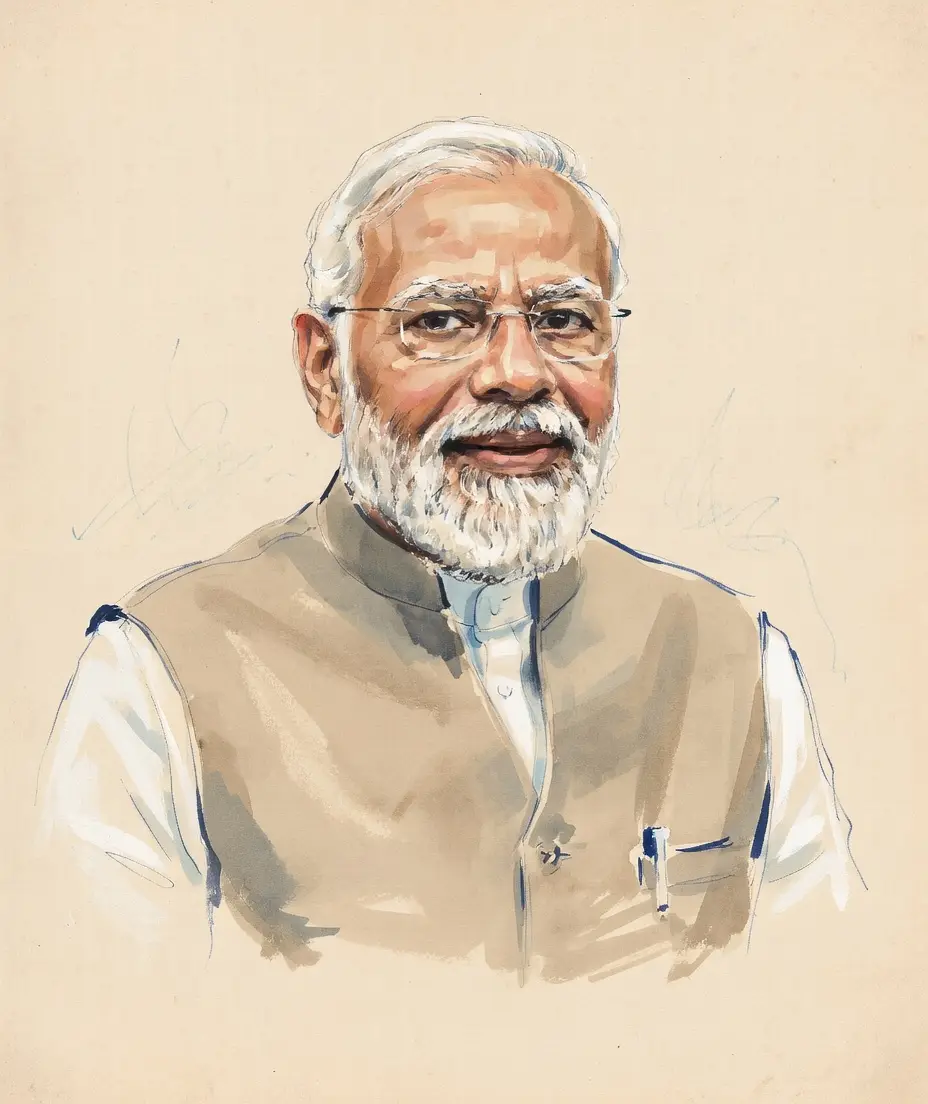
Narendra Modi on China
TL;DR
Narendra Modi advocates for improving ties with China based on mutual respect while maintaining strategic autonomy despite border tensions.
Key Points
He stated commitment to progressing relations based on mutual respect, trust, and sensitivities during a meeting with President Xi Jinping on August 31, 2025.
India and China have reached an agreement on border management, leading to the resumption of direct flights suspended since 2020.
His foreign policy approach views India and China as partners rather than rivals, emphasizing that their cooperation will help make the 21st century an Asian century.
Summary
Narendra Modi asserts that close ties between India and China are crucial for a multipolar Asia and the world, emphasizing that the two nations should be partners, not rivals. Following a period of tension, including border clashes, he communicated a commitment to progressing relations based on mutual respect, trust, and sensitivities during a high-level meeting in August 2025. This pragmatic approach seeks to push boundary issues into the background to safeguard and advance trade relations, viewing economic development as the primary common denominator for both nations.
His current strategy involves a policy of "multi-alignment," a shift from traditional non-alignment, to prevent overreliance on any single global power, including the United States, thereby protecting India's strategic autonomy. While seeking de-escalation on the Himalayan border, which saw troops clash in 2020, Modi's engagement is also tempered by security concerns, such as Beijing's military cooperation with Islamabad and its maritime presence in the Indian Ocean region. The desire to improve ties appears accelerated by external economic pressures, such as steep tariffs imposed by the US, leading to a calculated move toward Beijing.
Frequently Asked Questions
Narendra Modi currently prioritizes improving bilateral ties with China by focusing on mutual economic cooperation and de-escalating border tensions. He views India and China as partners whose collaboration is essential for a multipolar global order. However, this engagement is balanced by a need to maintain India's strategic autonomy.
Yes, his approach appears to have evolved toward greater pragmatism, marked by a renewed push for better relations following a period of significant military tension. This shift is partly influenced by external factors, such as recent US trade tariffs, reinforcing his commitment to a policy of 'multi-alignment' over strict alignment with any single power.
He indicated that an atmosphere of peace and stability had been established on the disputed Himalayan border, and that both sides had reached an agreement on border management. He stressed that the boundary question should not be allowed to define the overall China-India relationship, seeking a fair and mutually acceptable settlement.
Sources4
India committed to improving ties with China, Modi tells Xi before SCO meet
President Xi Jinping Meets with Indian Prime Minister Narendra Modi_Ministry of Foreign Affairs of the People's Republic of China
The bigger story behind Modi's China trip – and it's not India's tensions with Trump | Lowy Institute
Modi says close China-India ties crucial for a multipolar Asia and world | South China Morning Post
* This is not an exhaustive list of sources.