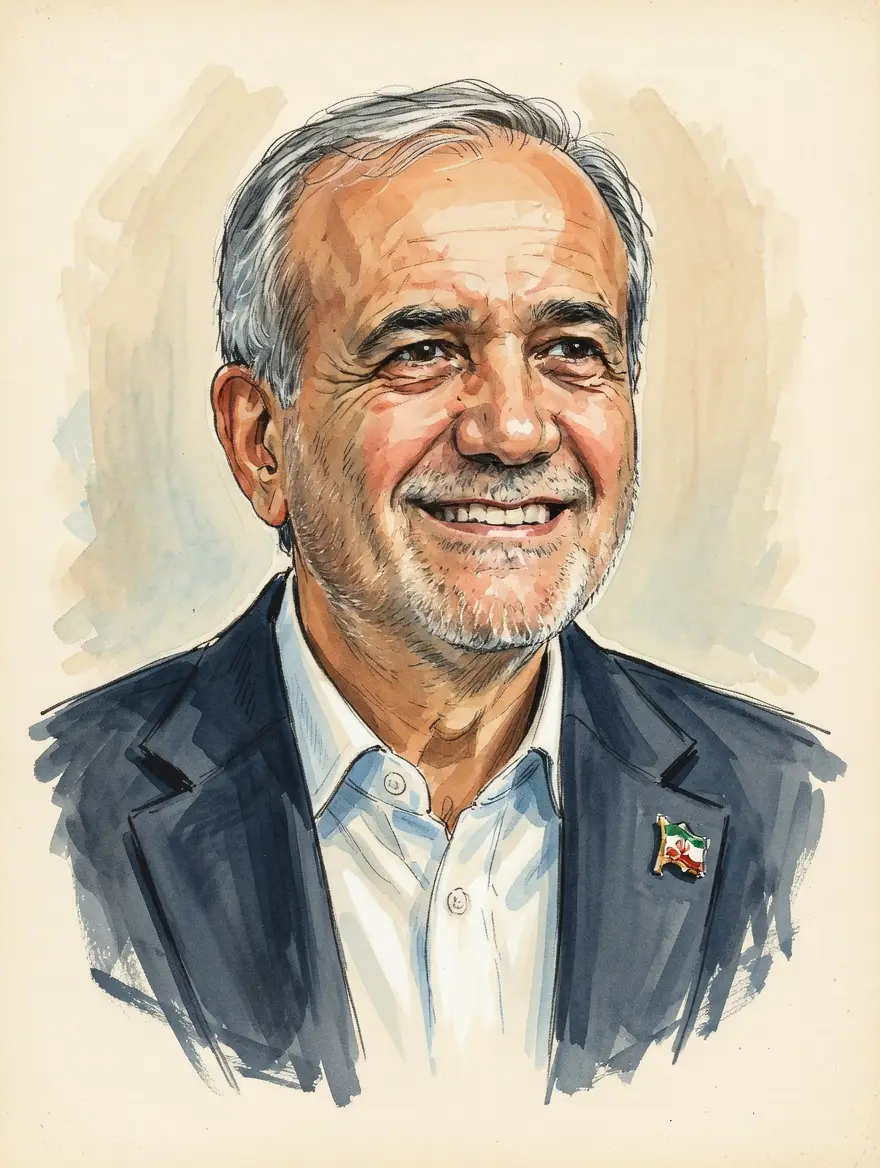
Masoud Pezeshkian on Trump
TL;DR
Masoud Pezeshkian generally criticizes past US foreign policy actions, viewing them as destabilizing, while advocating for dialogue.
Key Points
He advocates for dialogue as a necessary replacement for past confrontation strategies.
Iranian officials under his government have issued statements signaling a shift away from prior US policies.
Statements from his administration reflect a desire to stop proxy conflicts in the region.
Summary
Masoud Pezeshkian has expressed criticism regarding the foreign policy decisions associated with the administration of the former United States president, often linking those actions to regional instability. His stance appears rooted in a critique of unilateralism and past US interference, which he frames as detrimental to the Middle East's security architecture. While specific, direct commentary on the individual politician may be limited, the broader context of his political leanings suggests a preference for diplomacy over confrontational international relations, implicitly contrasting with the prior administration's 'maximum pressure' tactics.
This position informs his current approach to international engagement, where he emphasizes de-escalation and direct talks between nations, including those with strained relationships. The context provided by Iranian officials suggests a desire to move past the policies implemented under the former US president, favoring a more predictable and less overtly hostile diplomatic channel. The nuances in messaging, such as statements from his foreign minister, indicate a calibrated approach seeking stability, irrespective of the current US leadership's identity.
Frequently Asked Questions
Masoud Pezeshkian has signaled a critical view of the policies enacted by the former US president's administration. He frames those past actions as contributing to regional instability rather than resolving it. His focus appears to be on charting a new course based on diplomacy.
The political context suggests that his administration is actively attempting to move away from the confrontational framework established during the previous US presidency. This indicates a clear strategic shift from the preceding period's international relations approach.
Masoud Pezeshkian generally criticizes unilateral international actions, viewing them as counterproductive to securing long-term peace in the Middle East. His political philosophy leans toward negotiated settlements over maximum pressure campaigns.
Sources8
Iran's President Masoud Pezeshkian says Tehran will stop attacks on Gulf countr...
Iran's foreign minister says Trump response
Iran president statement
Iran's leaders send mixed messages on Gulf attacks
Iran's foreign minister says Trump response
Iran's President Masoud Pezeshkian's stance on Trump
Iran's current foreign policy stance
* This is not an exhaustive list of sources.