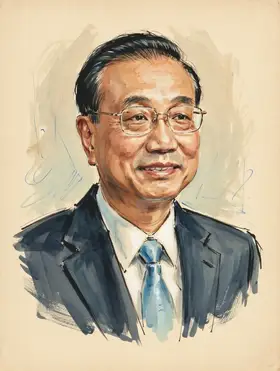
Li Keqiang on Political Factions
TL;DR
Li Keqiang was historically associated with the Communist Youth League faction, a rival to the dominant Xi faction.
Key Points
He was strongly associated with the Communist Youth League (CYL) faction, sometimes called the 'tuanpai' or 'populist coalition'.
His faction's policy leanings were often considered more pragmatic and focused on the concerns of vulnerable groups like farmers and migrant workers.
His expected placement in the 20th Party Congress was viewed as a necessary element of factional balancing within the top leadership structure.
Summary
Li Keqiang’s political career placed him within the Communist Youth League (CYL) faction, often labeled the populist coalition, which traditionally competed for influence against other elite groups like the Shanghai Gang and Princelings. This factional association meant that Li Keqiang represented a distinct policy orientation, often favoring more pragmatic and inclusive development, in contrast to the priorities of the Princelings or the ascendant Xi faction. Prior to the 20th Party Congress, there was an expectation that his faction would retain some balance in the top leadership, reflecting a historical system of power-sharing among competing groups.
However, scholarly analysis suggests that under the current supreme leader, the influence of rival factions, including the one Li Keqiang was linked to, has been systematically weakened, particularly in personnel appointments. While the formal system is intended to project unity, the reality involves an informal political landscape shaped by these groupings, where the political fortunes of figures like Li Keqiang are deeply tied to the factional balance. His eventual departure from the top leadership signaled the near-total dominance of the leader’s personal faction over previously established political coalitions.
Frequently Asked Questions
Li Keqiang was widely recognized as a leading figure of the Communist Youth League faction, often termed the 'tuanpai'. This group historically represented a significant coalition within the Chinese Communist Party elite alongside others like the Shanghai Gang.
Li Keqiang's CYL faction was often viewed as a rival or balancing force to the faction centered around Xi Jinping. While previous leadership eras necessitated a degree of power-sharing, the influence of the CYL faction reportedly declined significantly as Xi consolidated his own faction's dominance.
Li Keqiang’s position was one of being a principal member of a major faction, meaning he benefited from and participated in the system of informal factional politics for power-sharing. His political identity was intrinsically linked to the existence of these competing groups for influence.
Sources6
The Powerful Factions Among China's Rulers
FACTION POLITICS IN CHINA AND ITS IMPLICATIONS ...
The most destabilising factor with the whole of China ...
The Rise of the Bureaucratic Bourgeoisie and Factional ...
One-Man Show Disrupted by a Nobody
Theory and Evidence from the Chinese Communist Party
* This is not an exhaustive list of sources.