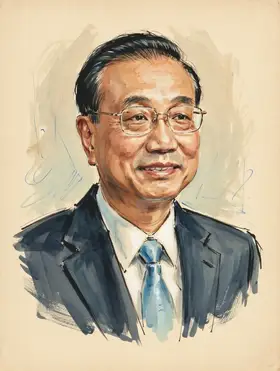
Li Keqiang on China
TL;DR
Li Keqiang advocated for pragmatic, technocratic governance, emphasizing structural economic reform over ideological rigidity.
Key Points
He promoted the policy of mass entrepreneurship and innovation during his premiership (2013–2023).
He designed the "Li Keqiang index," an unconventional economic indicator using railway cargo volume, electricity consumption, and loans, to gauge economic health (post-2004).
Upon leaving office in March 2023, he spoke of China's opening-up policy as a course that would not be reversed.
Summary
Li Keqiang, as Premier of China from 2013 to 2023, was widely viewed as representing a pragmatic and technocratic wing of the ruling party, often associated with reform-minded policies. His domestic focus during his tenure included championing a policy of mass entrepreneurship and innovation, and promoting a shift in economic priorities from export-led growth toward boosting domestic consumption. Evidence of his economic philosophy, sometimes dubbed "Likonomics," included a three-pronged approach aimed at debt reduction, ending massive stimulus, and implementing structural reforms. He also publicly pushed against unnecessary government bureaucracy, highlighting absurd requirements for citizens seeking basic services.
However, Li Keqiang's authority and influence within the central leadership were seen to steadily erode over time as power centralized under the paramount leader. This marginalization meant that while he spoke of reforms, the principal drafting and direction of major policy documents often occurred outside of the State Council, which he led. Upon leaving office in early 2023, he offered an indirect criticism by stating that China's opening-up policy would not reverse, "just as the course of the Yangtze and Yellow rivers will not be reversed."
Key Quotes
"China and Pakistan are all-weather strategic cooperative partners, and bilateral friendship, which has no strings attached and is not targeted at any third party, enjoys a profound and solid foundation and wins the heartfelt support of the two peoples.
Frequently Asked Questions
Li Keqiang generally advocated for a pragmatic, technocratic approach to China's economy, focusing on structural reforms rather than solely on massive stimulus. His approach was sometimes termed "Likonomics," which aimed for debt reduction and boosting domestic consumption.
Li Keqiang's political stature and perceived influence within the central leadership appeared to decrease over his time as Premier, leading to speculation that his reform-minded agenda was being sidelined. His farewell comment suggested an enduring belief in opening-up despite this context.
Li Keqiang was publicly critical of excessive and inefficient government bureaucracy at the grassroots level. He used anecdotes to illustrate the absurdity of excessive red tape citizens faced to receive basic services.
Sources5
Li Keqiang - Wikipedia
Who is Chinese Premier, Li Qiang? | Lowy Institute
Li Qiang's Quiet Rise | ChinaFile
That Time I Ripped My Pants Open at the Great Hall of the People
Li Keqiang’s career in pictures
* This is not an exhaustive list of sources.