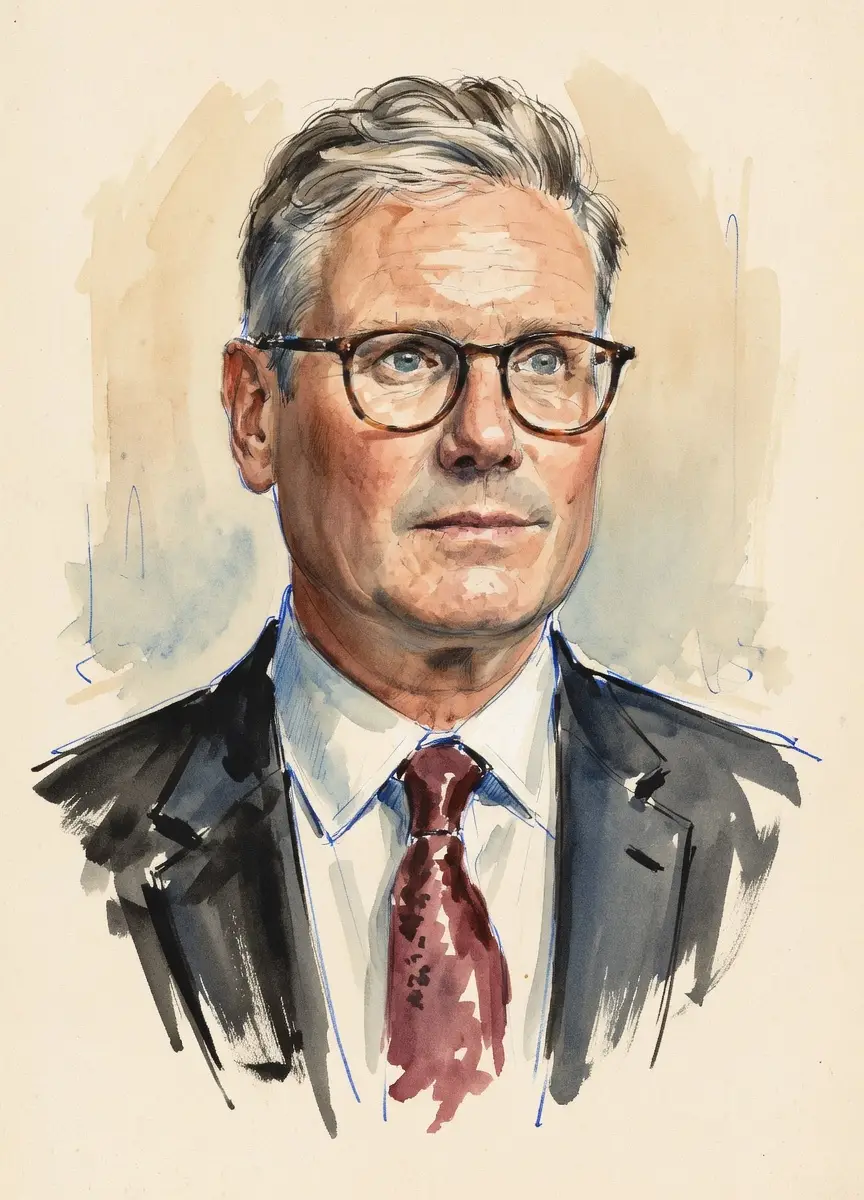
Keir Starmer on Free Speech
TL;DR
Keir Starmer asserts the UK fiercely protects free speech but insists limits must exist, especially online, to address harm.
Key Points
He vowed to bear down on any limits of free speech, except where it involves pedophilia and suicide promotion on social media directed at children.
His government has confirmed it has no plans to repeal the Online Safety Act, which critics argue has led to increased content regulation and potential age verification demands for online access.
His administration faced specific criticism after an incident where an Irish comedian was arrested upon arrival at Heathrow Airport over past social media posts.
Summary
Keir Starmer maintains that freedom of speech is a founding value of the United Kingdom which he vows to protect "jealously and fiercely." He has publicly stated this position during international engagements, such as a joint press conference with the US President in September 2025. Nevertheless, his government's actions and support for existing legislation have drawn significant criticism from free speech advocates who argue that new laws impose severe restrictions.
His administration has faced scrutiny, particularly concerning the implementation of the Online Safety Act, which critics argue grants regulators broad authority to control online expression deemed offensive or harmful, especially to children. Furthermore, his government has been associated with enforcement actions against protests and speech concerning proscribed organizations, leading some to suggest that the reality of British law restricts expression more than the stated political commitment to the principle.
Frequently Asked Questions
Keir Starmer states that free speech is a core, founding value of the United Kingdom, which he is committed to protecting fiercely. However, he also draws a clear line, asserting that limits must be enforced, particularly concerning online content related to issues like child safety.
The provided sources focus on his current administration's stance, which combines a strong rhetorical defense of free speech with the active implementation of legislation that critics claim restricts it. There is no clear indication of a significant evolution in his core belief, but rather a tension between principle and policy application.
The Prime Minister has indicated a willingness to draw a limit on free speech when it comes to content such as that peddling paedophilia or suicide to children on social media. This stance supports the regulatory framework of the Online Safety Act.
Sources6
UK's Starmer says free speech must be protected, but there is a limit
Free Speech Under Attack in the U.K.
US Congress namechecks Keir Starmer as it blasts Britain for 'copycat censorship laws' threatening free speech
Starmer says UK protects free speech 'jealously' and 'fiercely' | Arab News
Britain is Losing its Free Speech, and America Could be Next
Prime Minister Keir Starmer said on Thursday that Britain fiercely protects free speech
* This is not an exhaustive list of sources.