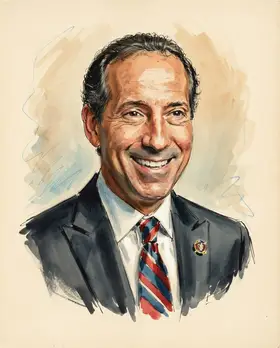
Jamie Raskin on Unthinkable
TL;DR
Congressman Jamie Raskin published his memoir, Unthinkable, detailing personal tragedy and the political fight against extremism.
Key Points
He published the memoir Unthinkable in January 2022, exploring themes of personal grief and political duty.
The book covers the death of his son, Tommy, which occurred just before the January 6th Capitol attack.
He has hosted related discussions and promoted the book via his podcast, The Unthinkable with Jamie Raskin.
Summary
Congressman Jamie Raskin is the author of the book Unthinkable: Trauma, Truth, and American Democracy, which centers on the loss of his son and the January 6th Capitol attack. The memoir blends his personal grief with his professional responsibilities, notably the second impeachment of the former president. He utilizes the book and associated platform appearances to discuss processing profound personal and national trauma simultaneously.
His position on the book's themes is to reflect on how an individual navigates immense private suffering while actively engaging in public service during a period of perceived democratic crisis. The work serves as both a deeply personal reflection on grief and a record of his involvement in significant political moments surrounding the events of early 2021. He has also hosted related discussions under the title The Unthinkable.
Frequently Asked Questions
Jamie Raskin's position is that of an author who wrote the book Unthinkable as a dual exploration of personal tragedy and national political crisis. He presents the text as a way to process the grief over his son's passing alongside his work on the second impeachment.
Jamie Raskin's memoir, Unthinkable: Trauma, Truth, and American Democracy, was released in January 2022. He promoted the book heavily around that time through interviews and public appearances. The book is available in hardcover, audio, and digital formats.
The main themes of Unthinkable center on the intersection of personal trauma, specifically the death of his son, and the political trauma of the Capitol attack. Raskin uses the narrative to discuss resilience and the fight to uphold American democracy amidst profound personal loss.
Sources6
Unthinkable: Trauma, Truth, and American Democracy
Rep. Jamie Raskin searches for answers in 'Unthinkable' journey of trauma and grief
Congressman Jamie Raskin on his memoir 'Unthinkable'
Unthinkable review: Jamie Raskin’s agonizing journey from grief to the Capitol attack
The Unthinkable with Jamie Raskin on Apple Podcasts
Unthinkable: Trauma, Truth, and American Democracy
* This is not an exhaustive list of sources.