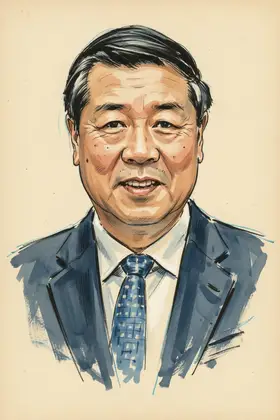
He Lifeng on Wall Street Journal
TL;DR
He Lifeng is positioned by external observers as a tough trade negotiator ready to deploy hardball tactics in economic talks.
Key Points
He Lifeng is characterized as a gatekeeper of economic policy, managing relations with figures like the U.S. Treasury Secretary.
His approach suggests a willingness to employ hardball tactics in trade talks, contrasting with some past Chinese negotiators.
He is expected to resist U.S. policy requests, such as asking China to curtail oil purchases from Russia.
Summary
He Lifeng, as China's top trade negotiator, is viewed by outside observers as adopting a notably more forceful and determined stance in engagements with the United States. He is described as a gatekeeper of Beijing's economic policy who is ready to employ hardball tactics in negotiations, particularly on issues where U.S. interests conflict with core Chinese objectives. This characterization aligns with his role as the steward of economic policy under the current leadership, suggesting a less compromising posture than previous envoys.
This assessment of his approach frames his interactions, such as those with the U.S. Treasury Secretary, within a context of heightened strategic competition. His background and current position suggest an emphasis on protecting domestic industries and navigating complex geopolitical demands, implying that U.S. requests, such as reducing oil purchases from Russia, will be met with calculated resistance or demands for reciprocal concessions.
Frequently Asked Questions
The Wall Street Journal has primarily reported on He Lifeng's role and perceived negotiation style as China's top trade envoy. He Lifeng himself has not publicly commented on the Wall Street Journal as an institution. His position is inferred through external analysis of his negotiating posture.
He Lifeng is frequently described as someone prepared to play hardball in economic and trade discussions with foreign counterparts. Observers view him as adopting a tougher line than some predecessors in managing China's economic interests. This characterization stems from his high-level appointment within the current administration's economic structure.
He Lifeng's stance suggests he will firmly push back against significant U.S. demands that conflict with China's strategic economic goals. For instance, he is expected to be resistant to calls for major shifts in energy purchasing agreements. This reflects a defense of national economic strategy over external pressure.