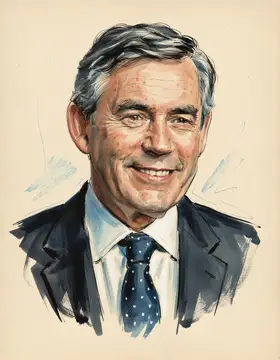
Gordon Brown on Brexit
TL;DR
Gordon Brown fundamentally believes that delivering Brexit has left Britain undone and continues to advocate for the UK to rejoin the European Union.
Key Points
He explicitly stated in June 2021 that he would not stop pushing for the UK to rejoin the European Union, though acknowledging it was unlikely in the short term.
He argued that the 2016 Remain campaign was flawed because it was fought on "Project Fear" and failed to present a positive case for Europe.
He warned that delivering Brexit had left the UK "undone," creating competing nationalisms that seriously threatened the stability of the multinational state.
Summary
Gordon Brown has been a prominent and vocal critic of the execution and consequences of Brexit, arguing that "Getting Brexit done is leaving Britain undone" and poses a serious threat to the United Kingdom itself. He has repeatedly warned that the departure destabilises the Union, particularly noting the impact on Scotland and Northern Ireland, and suggests that competing nationalisms, including Brexit nationalism, are divisive forces. While he accepted in mid-2021 that rejoining the EU was unlikely in the short term, the former Prime Minister explicitly stated he would not give up pushing for the UK to return to the European Union.
He contextualised his opposition by noting that the Remain campaign failed because it relied on a negative, fear-based approach, suggesting the slogan should have been 'leading, not leaving' to showcase a positive vision of European leadership. Furthermore, he argued that the crisis runs deeper than Brexit, stemming from economic insecurity and a breakdown of trust in politics, problems which he contends nationalism cannot solve. He has proposed significant constitutional reform within the UK as an alternative to nationalist division, suggesting a Forum of the Nations and Regions.
Frequently Asked Questions
Gordon Brown is a firm critic of the decision to leave the European Union, believing that implementing Brexit has harmed the UK's unity and standing. He has explicitly stated his personal desire for the United Kingdom to eventually rejoin the EU.
Yes, his position has evolved from being a proponent of remaining in the EU before the referendum to explicitly calling for rejoining afterward. While he supported Remain, he has since become one of the most prominent voices advocating for re-entry.
He expressed disappointment in the official Remain campaign, stating it was fought on a negative, fear-based argument. Brown suggested that a better approach would have been to advocate for 'leading, not leaving' Europe.
Sources7
Getting Brexit done is leaving Britain undone warns ...
Gordon Brown says he will not give up fight to reverse Brexit | Brexit | The Guardian
BBC News - Cannot Access
Cannot Access
Gordon Brown: ‘Brexit was fought on Project Fear. Nobody put the case for Europe. Nobody’ – The Irish Times
Gordon Brown warns Nigel Farage will drag UK back into 'Tory poverty years' : r/unitedkingdom
What makes a successful Brexit: Gordon Brown keynote speech | Institute for Government
* This is not an exhaustive list of sources.