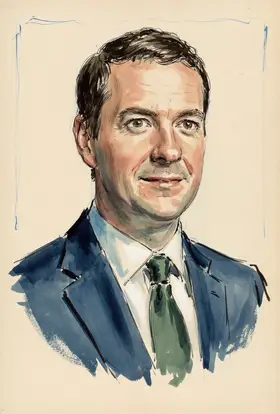
George Osborne
- Known for
- Chancellor of the Exchequer, austerity policies
- Born in
- Paddington, London, UK
- Education
- BA Modern History, Davidson College
George Osborne is a defining figure of modern British Conservative politics, serving as Chancellor of the Exchequer from 2010 to 2016. His tenure was dominated by implementing severe austerity policies aimed at deficit reduction following the 2008 financial crisis. Now a prominent media editor and advisor, his legacy is deeply tied to this post-crisis economic strategy.
Signature Positions
As Chancellor and a key figure in the Cameron government, Osborne championed specific economic policies:
- Austerity: Pursued severe spending cuts to reduce the budget deficit, widely criticized as contributing to inequality and slow growth.
- Taxation: Significantly cut the top rate of income tax (from 50% to 45%) and raised the personal allowance, while introducing a 'sugar tax' later in his tenure.
- Northern Powerhouse: Launched this initiative to boost economic growth in the North of England through infrastructure and investment.
- Brexit: Was a prominent campaigner for the UK to remain in the EU during the 2016 referendum.
- Corporation Tax: Committed to lowering corporation tax rates, which he reduced from 28% to 20% during his time in office.
Notable Tensions
Osborne's career and policies have generated significant controversy:
- Austerity Criticism: Critics point to studies linking his austerity measures to worsened inequality, poverty, and potentially 130,000 preventable deaths since 2012.
- Expenses: Faced scrutiny for his parliamentary expense claims, particularly mortgage interest on properties, which the Commissioner found breached rules, though Osborne claimed the advice was 'flawed'.
- Post-Parliamentary Roles: Faced conflict of interest accusations by holding lucrative advisory roles (e.g., with BlackRock) while serving as an MP and later as Evening Standard editor.
Viewed as the intellectual architect of the Cameron government's economic policy, Osborne was widely seen as a likely successor to David Cameron until his dismissal by Theresa May after the Brexit vote. Post-politics, he has engaged in a diverse career, including media editing, advising financial institutions, and hosting the Political Currency podcast with Ed Balls.