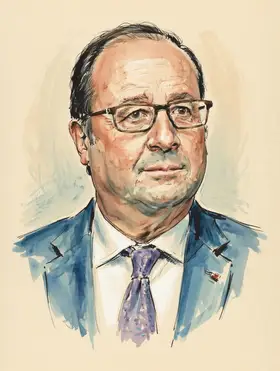
François Hollande on Taxes
TL;DR
François Hollande championed high marginal taxes on the wealthy but later conceded such policies were damaging and reversed them.
Key Points
The French president announced a highly publicized 75% tax on incomes exceeding €1 million during his 2012 election campaign.
The 75% 'supertax' measure was quietly dropped after 2014, having generated only meagre returns (€260m in 2013) compared to initial budget forecasts.
In 2024, now as a deputy, he expressed that his Socialist colleagues would compromise on a crucial demand for a wealth tax named after Gabriel Zucman.
Summary
François Hollande’s position on taxes during his presidency was characterized by the introduction and subsequent retreat from a highly visible, punitive tax measure aimed at the wealthiest citizens. He announced plans for a controversial 75% marginal tax rate on annual incomes over €1 million as a core part of his 2012 election campaign, aiming to impose a sense of morality on high earners rather than primarily raising revenue. However, this measure faced immediate backlash from business leaders, celebrity departures, and warnings about competitiveness, leading to low revenue collection compared to projections, which were off by about half.
Following significant political pressure and under-performance of the tax, the measure quietly disappeared, with the 75% rate not being renewed for 2015. The policy shift, which saw the rate adjusted and eventually dropped, was seen as a major U-turn fueling criticism about his decisiveness. Later, while serving as a deputy, Hollande indicated a willingness to compromise on a proposed wealth tax, suggesting his party was ready to abandon certain socialist tax demands for budget passage.
Frequently Asked Questions
François Hollande's most notable tax policy was the proposal for a 75% marginal tax rate on high earnings above €1 million, which he introduced during his 2012 presidential bid. According to reports from 2014, this unpopular measure was subsequently allowed to lapse after it failed to generate significant revenue.
Yes, François Hollande demonstrated a significant evolution on high-rate taxation of the wealthy. He championed the 75% supertax but later admitted to the policy's negative impact, leading to its quiet disappearance as detailed in late 2014 reporting. Furthermore, he later indicated flexibility on newer wealth tax proposals in 2024.
The president told reporters in November 2014 that there would be 'no additional taxes on anybody whatsoever' in the following year, 2015. This pledge was part of a broader effort to bolster confidence amidst record-low approval ratings, as detailed in a contemporary news report.
Sources5
France forced to drop 75% supertax after meagre returns | France
French President Tries Again For Tax On Rich | KCUR - Kansas City news and NPR
Read my lips: No new taxes, says Hollande | Euractiv
French Socialists will climb down on wealth tax, says François Hollande : r/europe
France's 75 Percent Tax Rate Offers a Lesson in Revenue Estimating
* This is not an exhaustive list of sources.