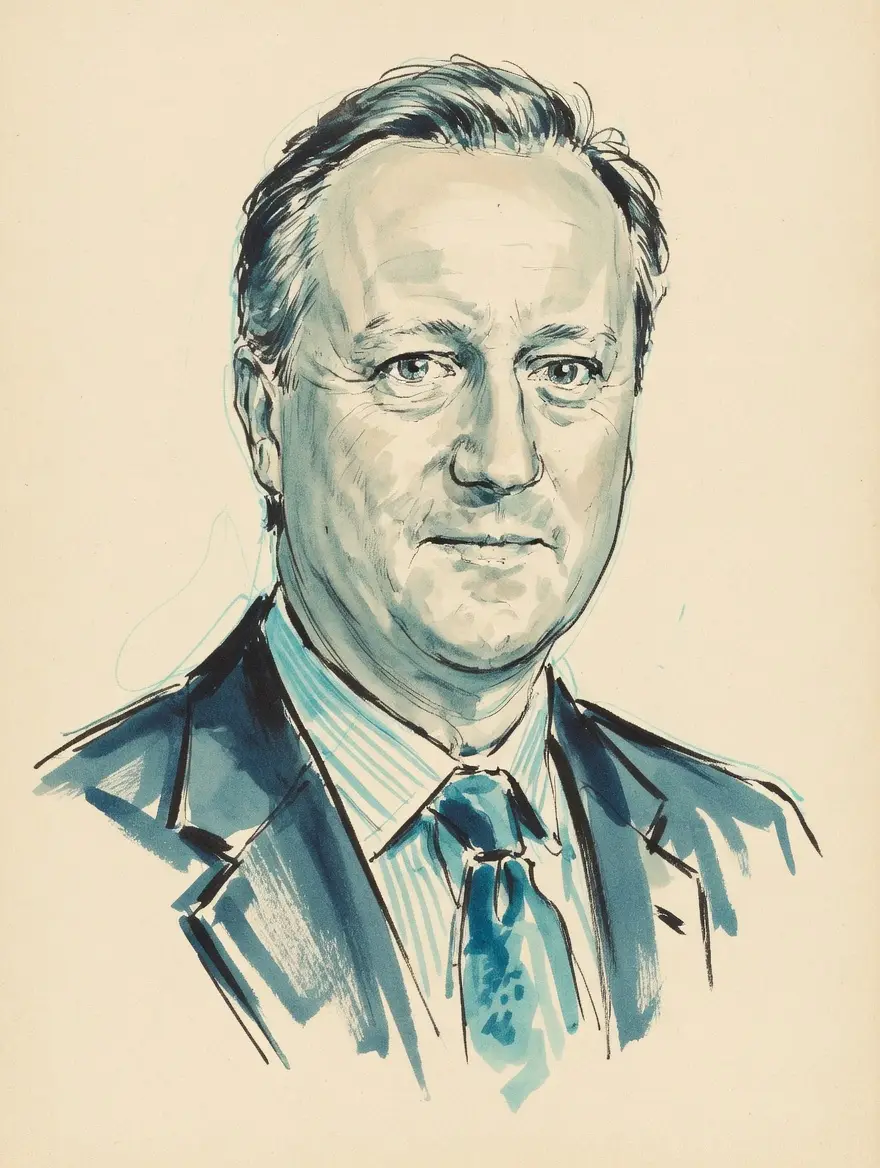
David Cameron on Big Society
TL;DR
David Cameron positioned the Big Society as his mission to mend a broken society by empowering citizens and decentralizing state power.
Key Points
He launched the Big Society initiative in July 2010, following the Conservative-Liberal Democrat coalition government's election victory.
He stated his mission was social recovery as well as economic recovery, with responsibility being the key concept at its heart, articulated in a February 2011 speech.
Policy developments included creating the Big Society Bank, which was pledged £200 million from major UK banks, and launching the National Citizen Service pilot in 2011.
Summary
David Cameron championed the Big Society as a core sociopolitical concept designed to regenerate Britain's society by shifting power away from central government in Whitehall toward individuals and local communities. He argued that the preceding era of 'big government' had undermined personal and social responsibility, turning capable individuals into passive state recipients and lively communities into 'dull, soulless clones of one another'. The initiative was articulated through three main strands: opening up public services to voluntary organisations, charities, and social enterprises; encouraging 'social action' like volunteering and philanthropy; and achieving 'community empowerment' through decentralisation and transparency.
This vision, rooted in One-Nation Conservatism, aimed to achieve a social recovery alongside economic recovery, even amidst necessary public spending cuts, which Cameron denied were the main driver of the policy. Key mechanisms included establishing the Big Society Bank with £200 million from major UK banks and introducing the National Citizen Service for 16-year-olds to foster citizenship skills. Despite this strong advocacy, which he maintained was his personal mission, the concept faced skepticism about its vagueness and fears it was merely a justification for austerity measures; the term itself ceased to be used by the Prime Minister in public after 2013.
Key Quotes
...there is such a thing as society, it's just not the same thing as the state...
Frequently Asked Questions
David Cameron's core idea was to mend what he saw as a 'broken society' by redistributing power from the central state to individuals and communities. He believed this would encourage personal responsibility and active civic participation, moving away from what he termed 'big government'.
Cameron vocally denied that the Big Society was a cover for public spending cuts, insisting it was a worthwhile aim regardless of the economic situation. However, critics contended that the policy was cynically used to justify the withdrawal of state support while dressing it up as civic renewal.
The initiative had three main strands: empowering communities with more local control, increasing social action through volunteering, and opening up public services for charities and social enterprises to deliver. These were supported by structural changes like the creation of Big Society Capital.
Sources7
PM's speech on Big Society
Big Society - Wikipedia
David Cameron reveals 'big society' vision – and denies it is just cost cutting
Cameron's Big Society - agendaNi
Cameron's Big Society speech: a day for mutual learning? | Institute for Government
David Cameron, Citizenship and the Big Society: a New Social Model?
The voluntary sector and the Big Society - UK Parliament
* This is not an exhaustive list of sources.