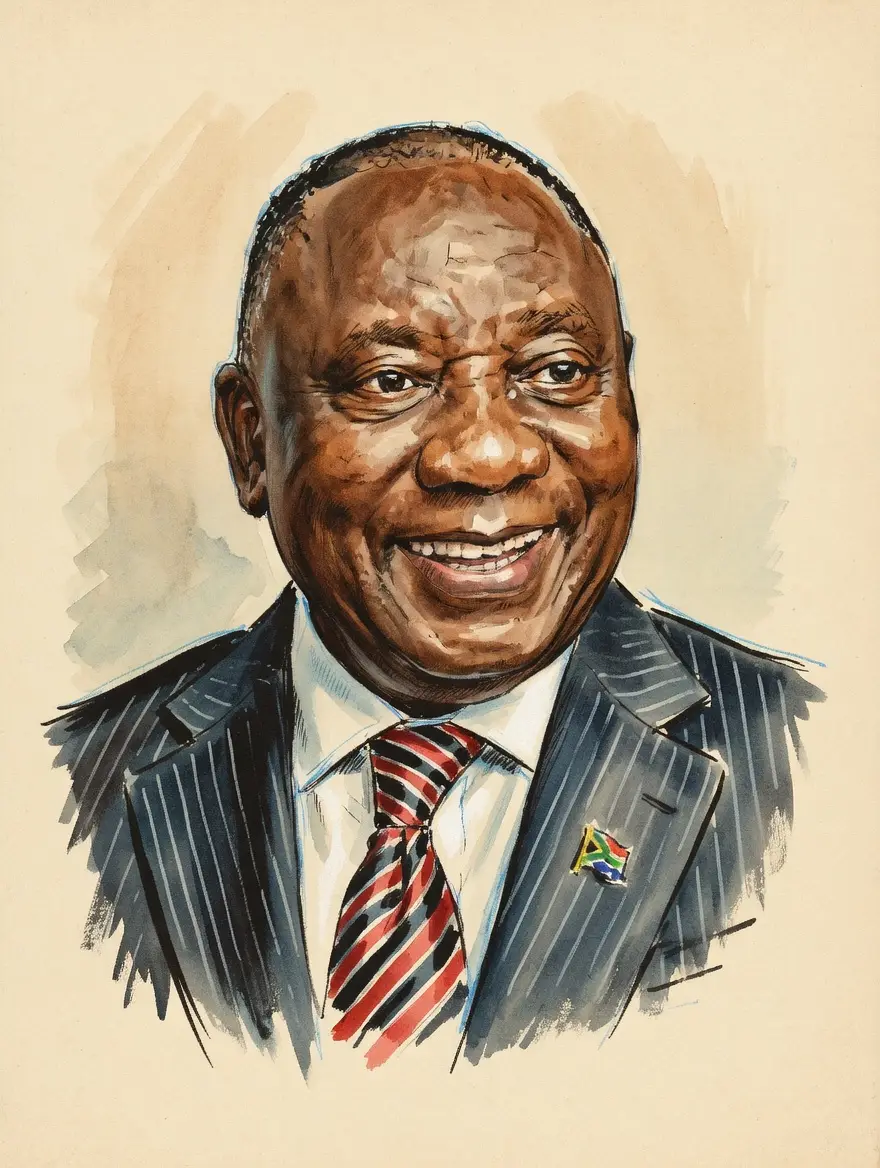
Cyril Ramaphosa on Education
TL;DR
Cyril Ramaphosa prioritizes strengthening foundational learning, especially Early Childhood Development, to build a resilient and equitable education system.
Key Points
He stressed that strengthening early grade reading and numeracy is a national priority and a moral imperative for building a resilient education system as of January 2026.
He signed the Basic Education Laws Amendment Act into operation in December 2024, which enacts measures strengthening the system, including towards universal Grade R access.
In his 2026 Budget address, he committed additional spending to employ more educators and increase the early childhood development grant for an additional 300,000 children.
Summary
Cyril Ramaphosa views education as the bedrock for societal development, emphasizing that a resilient and capable system must begin with strengthening Early Childhood Development (ECD), literacy, and numeracy. He has consistently framed foundational learning as a national priority and a moral imperative, particularly noting that failures in the foundation phase lead to later system costs like repetition and dropout. Key focus areas mentioned in his addresses include evidence-based teaching of literacy and numeracy, ensuring coherent curriculum and well-trained teachers, and promoting Mother Tongue-Based Bilingual Education to address poor reading outcomes.
His administration has sought to align national education plans with international frameworks, such as the G20 Education Working Group agenda, by prioritizing foundational years and promoting Mother Tongue-Based Bilingual Education across provinces. He also advocates for vocational and occupational education pathways to run parallel to academic ones to meet economic skills demands. Furthermore, he has acted to implement transformative legislation, such as commencing the Basic Education Laws Amendment Act, which aims to strengthen the system’s ability to provide equitable education rights, including language choice and universal Grade R access.
Frequently Asked Questions
Cyril Ramaphosa's core focus is on strengthening foundational learning, particularly in Early Childhood Development, literacy, and numeracy, viewing this as essential for national development. He emphasizes that getting the basics right in the early grades prevents learning gaps later in the schooling system. His position is that investment here wisely sets the groundwork for success.
The President assented to and later commenced the Basic Education Laws Amendment Act in December 2024, despite earlier delays for further engagement on contentious clauses. This Act is described as vital for transforming the education system to be more effective and equitable, aligning with Constitutional rights.
Yes, he supports Mother Tongue-Based Bilingual Education as a way to strengthen literacy outcomes, noting its historical advantage for English and Afrikaans learners. He stated that the Basic Education Laws Amendment Act must ensure no language is diminished, but rather all official languages are valued and promoted.
Sources7
President Cyril Ramaphosa: 2026 Basic Education Sector Lekgotla
Statement by President Cyril Ramaphosa on the commencement of the Basic Education Laws Amendment Bill
SONA and the legacy of failures from Cyril Ramaphosa's administration - Equal Education
President Ramaphosa ECD and learning foundations
President Cyril Ramaphosa Prioritizes Early Education as South Africa Leads the G20
President Ramaphosa to address Basic Education Sector Lekgotla
Budget will accelerate country's momentum, says President | SAnews
* This is not an exhaustive list of sources.