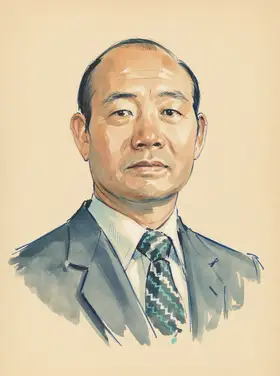
Chun Doo Hwan on Legal Proceedings
TL;DR
Chun Doo Hwan was ultimately convicted and sentenced for his actions during his tenure and subsequent legal battles.
Key Points
He was sentenced to death in 1996 for his role in the 1979 coup and the 1980 Gwangju massacre, a sentence later commuted.
The former president was charged with insurrection and received a life sentence in 1996 for imposing martial law, which was later appealed.
His legal troubles included charges related to corruption and the aftermath of seizing power in the late 1970s.
Summary
Chun Doo Hwan, a former South Korean president, faced significant legal proceedings following his time in office, primarily concerning his role in a military coup and the subsequent suppression of democratic movements. His trial and subsequent convictions marked a pivotal moment in South Korea's transition toward a full democracy, establishing accountability for past authoritarian actions. The core of the legal challenge involved charges related to insurrection, martial law imposition, and corruption.
The legal journey for the former president involved appeals, initial acquittals being overturned, and eventual imprisonment, though his sentences were often commuted or suspended later in life. This pattern of legal challenge and eventual clemency has been observed with other former South Korean leaders who faced similar charges, highlighting a recurring theme in the nation's political history regarding accountability for authoritarian predecessors. His case is frequently cited in discussions about the rule of law in South Korea.
Key Quotes
If I am a criminal who brought confusion to society, then is it not reasonable that President Kim take due responsibility for having allied himself with such insurrectionists?
How would I even manage a long-term dictatorship? I wouldn't even know how to do it if I were asked.
Frequently Asked Questions
Chun Doo Hwan's position on legal proceedings against him was characterized by appeals against the verdicts delivered by the South Korean judicial system. While he was convicted on serious charges, the historical context shows a pattern of legal battles following his authoritarian rule.
The available information primarily reflects his legal challenges following his presidency rather than an evolving philosophical stance on the concept of legal proceedings. His direct actions involved appealing specific court rulings related to his past actions in power.
Chun Doo Hwan was the subject of major legal proceedings for his role in the 1979 coup and subsequent events. His direct statements often focused on contesting the specific charges and convictions brought against him by the state.
Sources10
Factbox: Three previous South Korean presidents also faced legal proceedings
South Korea's Chun Doo-hwan: The man who seized power
Former President Chun Doo-hwan dies at 90
Former South Korean president receives life sentence for imposing martial law in 2024
Chun Doo-hwan, ex-president who seized power, dies at 90
After South Korea's president led an insurrection, he was impeached in days. And sentenced to death.
Ousted South Korean president Yoon appeals life sentence for martial law decree
Martial Law in South Korea: A Review of Past and Present Applications
South Korea’s President Yoon Is Facing Calls for a Death Sentence
What Yoon Suk Yeol’s Life Sentence Means for South Korea’s Democracy
* This is not an exhaustive list of sources.