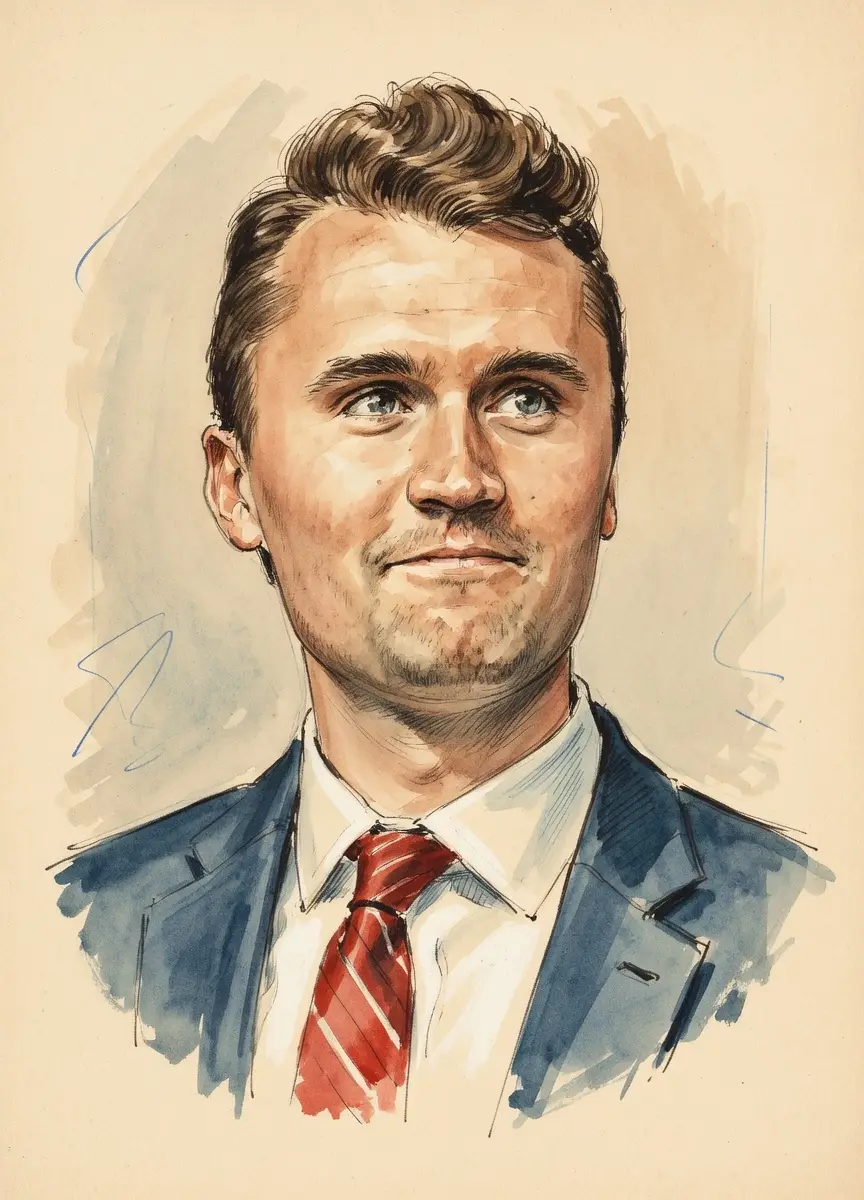
Charlie Kirk on Religion
TL;DR
Charlie Kirk's political activism became heavily intertwined with a socially conservative evangelical Christian Nationalism, emphasizing national salvation.
Key Points
His religious emphasis shifted around late 2019 toward embracing Christian Nationalism, partly due to influence from a megachurch pastor.
He saw the national political mission as part of spreading the gospel, aligning fiscal conservatism with his evangelical beliefs.
Prior to his death, he reportedly expressed being close to converting to Catholicism, noting his Catholic wife and children and appreciation for his Catholic pastor.
Summary
Charlie Kirk's public stance on religion evolved, becoming significantly more pronounced with an emphasis on conservative Christian themes in his later years, a shift attributed by some observers not to a sudden conversion but rather a political alignment with Christian Nationalism, particularly influenced by concepts like the Seven Mountains Mandate. This brand of Christianity connected his social conservatism—such as being anti-abortion and pro-traditional family—with his political goals, viewing the salvation of the nation as integral to the spread of the gospel. He saw political allies, including the president, as spiritual fighters undertaking a divine mission. His organization, TPUSA, was reportedly structured around the seven cultural institutions central to the Seven Mountains Mandate strategy.
Frequently Asked Questions
Charlie Kirk was publicly associated with socially conservative evangelical Christianity that grew to incorporate elements of Christian Nationalism. He strongly integrated his religious convictions with his political activism, particularly in advocating for conservative cultural stances. His position saw the salvation of the nation as part of the Christian mandate.
Observers suggest that the notable increase in his religious rhetoric was less a traditional conversion and more of a political one, aligning himself with Christian Nationalism late in 2019. He had always identified as evangelical, but the emphasis on political dominion grew more explicit thereafter.
While he reportedly organized his organization around the seven cultural pillars of the Seven Mountains Mandate, he only publicly mentioned the term once at CPAC 2020. This concept frames Christian political action as essential to Christianizing America across key institutions.