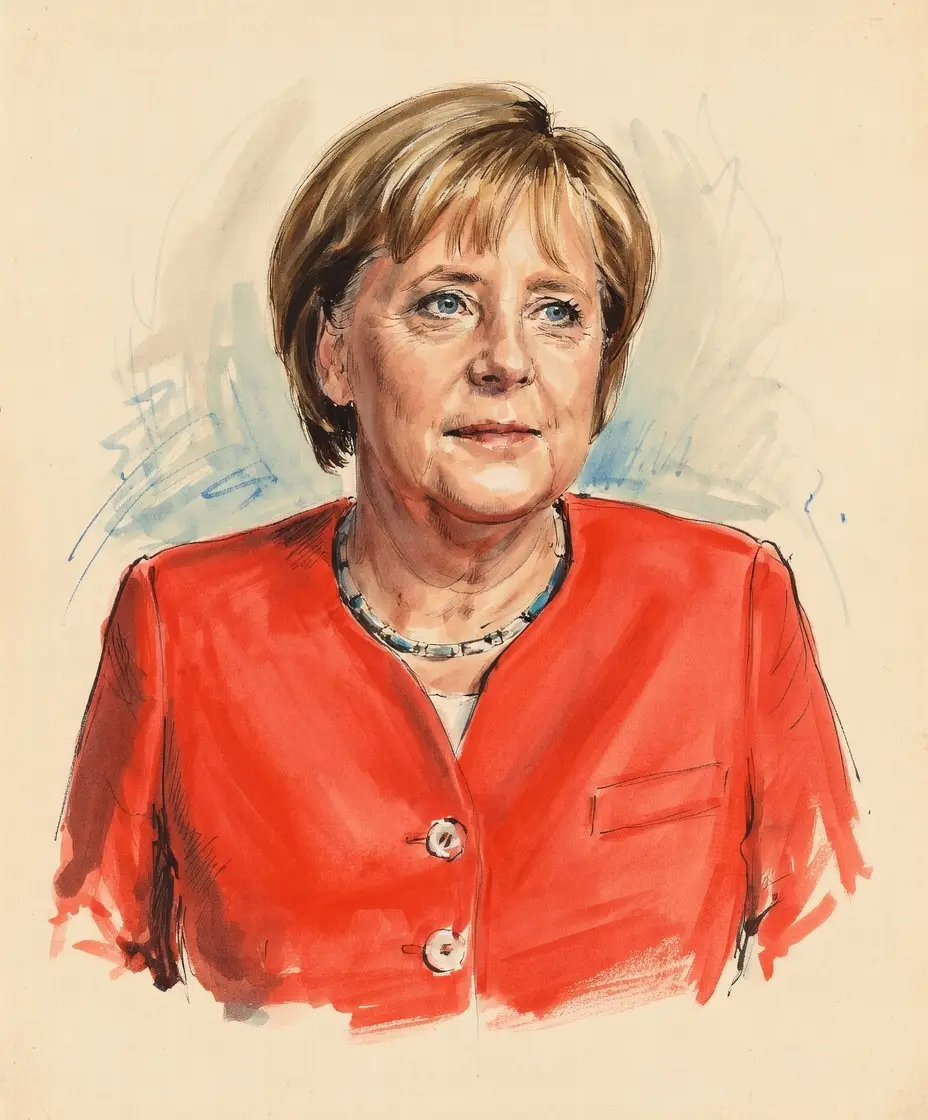
Angela Merkel on Leadership Style
TL;DR
Angela Merkel employed a pragmatic, measured, and scientifically informed leadership style emphasizing logic, duty, and consensus over traditional charisma.
Key Points
Her leadership relied on a four-pronged approach described as diplomacy, diligence, determination, and duty.
Merkel resisted being labeled a feminist, instead framing her commitment as supporting equal life opportunities for men and women.
Her style was characterized as a blend of pragmatic problem-solving, rooted in her scientific background, and a focus on consensus-building.
Summary
Angela Merkel's leadership style was defined by pragmatism, rationality, and an unwavering calmness, often defying traditional notions of charisma. A trained physicist, she approached political and economic challenges with analytical precision, focusing on evidence-based solutions, which earned her a reputation as a voice of reason, particularly during crises like the Eurozone collapse. Her approach prioritized building trust through consistency, humility, and diligent attention to detail over grandstanding or ideological flair, leading to her being nicknamed “Mutti” (Mother) by supporters.
This methodical style was influenced by her East German upbringing, fostering a preference for allowing all voices to be heard before stating her own position. While her cautious nature sometimes led to criticisms of slow responses or a perceived lack of ambitious vision, this style resonated deeply with the German electorate, who culturally preferred reasoned, fact-based approaches over pathos. Merkel demonstrated an extraordinary drive and determination to reach compromises, often drawing strength from a deeply felt sense of duty towards Europe and human dignity.
Key Quotes
If we now say that you can all come, and you really will all come from Africa, then we risk not being able to cope with this
Frequently Asked Questions
Angela Merkel's core leadership style is widely characterized as pragmatic, methodical, and rational, often dubbed 'conviction leadership.' She preferred evidence-based solutions and patient deliberation over charismatic or ideological pronouncements, which allowed her to build significant trust over her tenure.
While Merkel maintained an underlying pragmatic approach, the nature of her actions shifted based on the crisis, moving from cautious deliberation during the Euro crisis to decisive, humanitarian action during the 2015 migration crisis. However, even in crisis, her foundational method remained rooted in analysis and duty.
Merkel's charisma was described as understated, quiet, and lacking grandstanding, deriving instead from her authenticity, unwavering calmness under pressure, and reliability. This contrasted with more theatrical leaders, showcasing the power of soft influence and rational decision-making.
Sources9
Angela Merkel—Striking the Right Note on Leadership
Leadership Styles and Skills that Made Angela Merkel So Powerful
The secret of Angela Merkel's extraordinary success: her understanding of the distinctive features of German politics
The Reluctant Feminist: Angela Merkel's Cautious Leadership
Angela Merkel's Leadership Lessons: the Secret of Political Longevity (2013–2021)
The Leadership of Chancellor Angela Merkel
The Modern Charisma of Angela Merkel: Leading Without Grandstanding
Political personality and complex decision-making: The psychological profile and leadership style of Angela Merkel, the world's most powerful woman
Angela Merkel or how high you can go with a low profile
* This is not an exhaustive list of sources.