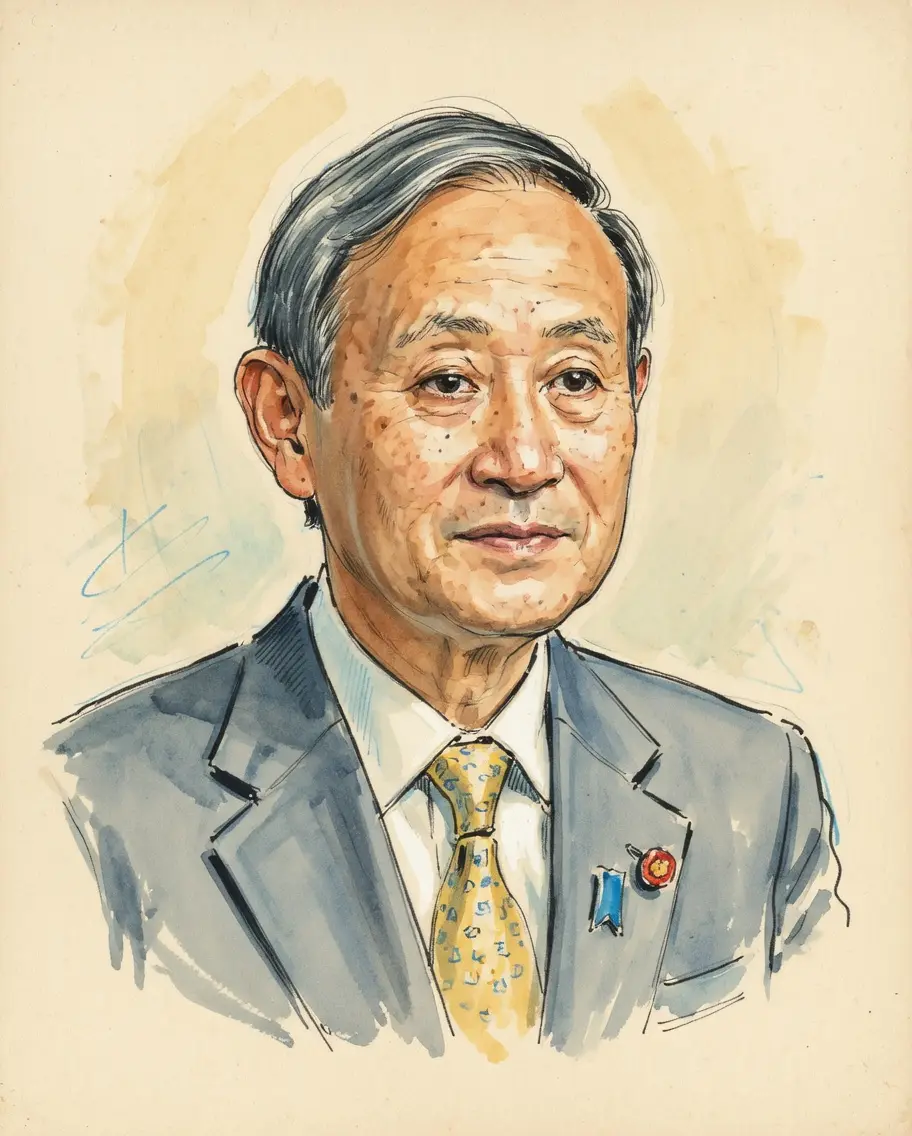
Yoshihide Suga on Prime Ministership
TL;DR
Yoshihide Suga viewed the Prime Ministership as a position to be attained through party maneuvering and then used to continue an established agenda.
Key Points
He became Prime Minister on September 16, 2020, securing 377 of 534 votes in the internal party vote.
His administration was marked by an expectation of continuity with the predecessor's policies, particularly regarding the Indo-Pacific strategy.
Suga announced in September 2021 that he would not seek reelection as LDP leader, stepping down after approximately one year in office.
Summary
Yoshihide Suga's path to the Prime Ministership in September 2020 was characterized by his reliance on the factional support within the Liberal Democratic Party (LDP), rather than broad popular appeal at that initial moment. His authority to govern was derived primarily from LDP heavyweights who installed him following his predecessor's resignation due to ill health. Upon taking office, his initial focus was continuity, pledging to maintain major policy initiatives like Abenomics and navigating the severe challenges of the COVID-19 pandemic and hosting the postponed Olympic Games. This initial alignment with the preceding administration underscored a pragmatic approach to securing and maintaining the top office by satisfying his key political backers.
His tenure, however, quickly became subject to intense scrutiny, with his popularity sliding due to public discontent over the government's pandemic response and the decision to proceed with the Tokyo Olympics. This lack of sustained public support signaled a critical vulnerability, as maintaining the premiership increasingly required popular mandate alongside party backing. Ultimately, facing a general election and plummeting personal popularity, he announced he would not seek reelection as party leader, effectively concluding his term after just about a year, which placed him in the ranks of Japan's 'revolving-door' prime ministers prior to his predecessor's lengthy tenure.
Frequently Asked Questions
Yoshihide Suga attained the role of Prime Minister in September 2020 after being elected leader of the ruling Liberal Democratic Party (LDP). His ascent was largely supported by LDP heavyweights following his predecessor's resignation due to health issues.
As Prime Minister, Suga vowed to continue promoting the key policy initiatives of his predecessor, such as Abenomics and constitutional revision efforts. His immediate practical focus was managing the severe impact of the COVID-19 pandemic.
His premiership was brief, lasting about a year, because his popularity plummeted due to public dissatisfaction with the handling of the COVID-19 pandemic. He ultimately decided not to contest the LDP presidential race, which triggered his resignation.
Sources10
A Renewed Sense of Leadership for Prime Minister Suga
Suga Yoshihide | Facts, Biography, & Prime Minister of Japan
Suga to Step Down as Japan’s Prime Minister
How Japan's Suga Can Build an Alliance to Counter China
The yen will tell us whether Japan's triumphant "Iron Lady" is rusting
List of international prime ministerial trips made by Yoshihide Suga
Suga joins ranks of Japan's 'revolving-door' prime ministers
Suga steps in, at least for now
What Suga's election means for democracy in Japan
Why Japan's Suga slid
* This is not an exhaustive list of sources.