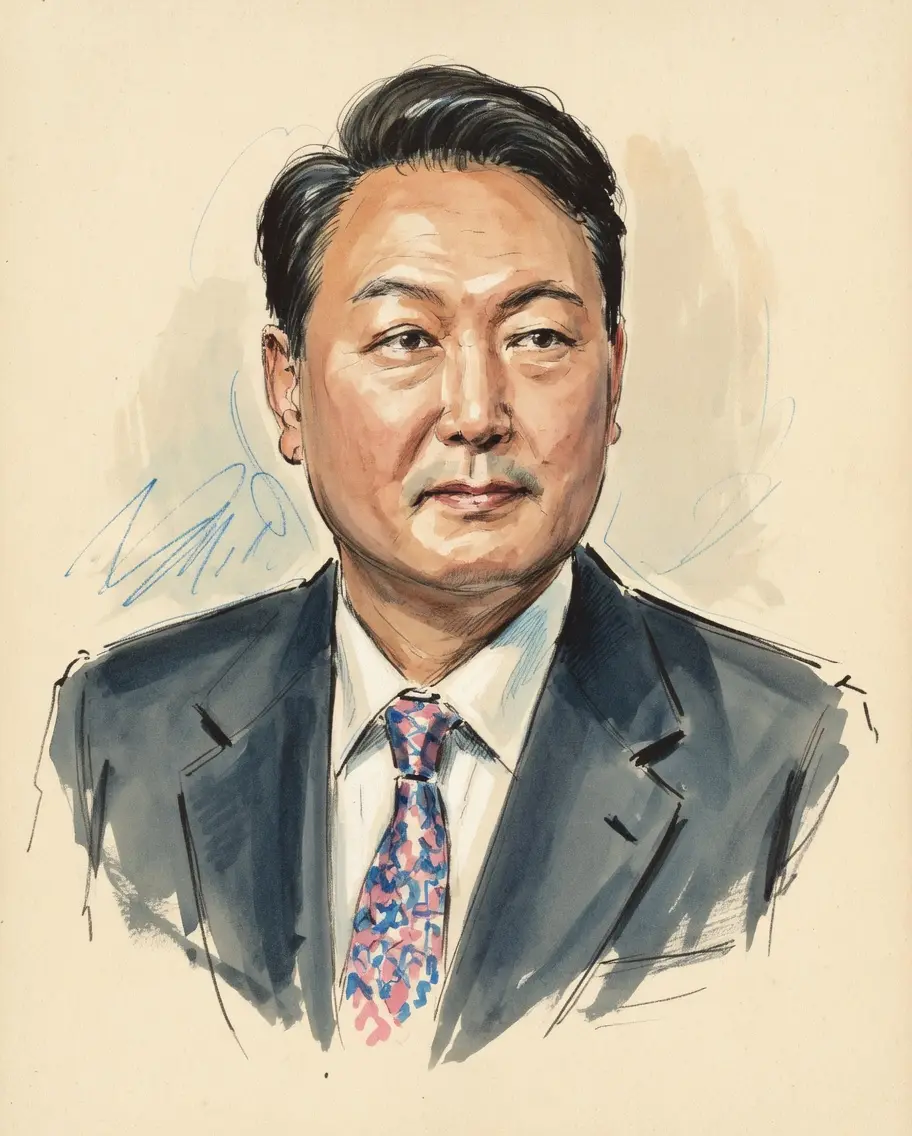
Yoon Suk Yeol on Economy
TL;DR
Yoon Suk Yeol's economic vision emphasizes deregulation, tax cuts, and boosting corporate competitiveness amid political volatility.
Key Points
Authorities vowed to stabilize financial markets following actions that rattled the currency and economy in December 2024.
The president’s economic approach has historically aimed to boost corporate competitiveness through deregulation and tax relief.
Political instability, including impeachment moves, has resulted in significant costs to the South Korean economy and its currency.
Summary
Yoon Suk Yeol's economic stance centers on a pro-market orientation, prioritizing deregulation, lowering corporate taxes, and fostering an environment conducive to private sector growth and investment. His approach generally favors supply-side solutions aimed at increasing the nation's global competitiveness and addressing long-term structural issues within the South Korean economy. This core position is underpinned by a belief that reducing bureaucratic hurdles and excessive government intervention is key to revitalizing economic dynamism.
However, the implementation and perception of his economic policies have been significantly complicated by severe political turmoil, particularly surrounding his impeachment proceedings and martial law declaration. The resulting instability has directly rattled financial markets, leading to currency depreciation and concerns among international investors. Authorities have consequently been compelled to issue vows to stabilize markets, indicating a shift toward interventionist measures to counteract the adverse economic fallout from political actions.
Frequently Asked Questions
Yoon Suk Yeol generally supports a pro-market economic framework, advocating for reduced regulation and tax incentives to spur corporate growth. His aim has been to enhance South Korea's global economic standing through private sector activation. However, recent political crises have necessitated reactive stabilization measures.
The core philosophy favoring deregulation appears consistent, but the practical realities of political crises have forced his administration to take swift, stabilizing actions in financial markets. These interventions contrast with the underlying deregulation goals. The president's defiant actions have been cited as having detrimental economic consequences.
The South Korean economy has suffered due to severe political turmoil surrounding President Yoon Suk Yeol, leading to concerns about governance. This instability directly impacted markets, causing the nation's currency to become rattled. Officials stated commitments to stabilize markets following these events.
Sources9
Why Yoon Suk Yeol’s Desperate Stunt Is A GDP Killer For South Korea
Costs of President Yoon Suk Yeol’s Defiance
South Korea’s Economy in Tatters Amid Political Turmoil
After Impeachment
South Korea Economy in Turmoil as Parliament Votes to Lift Martial Law
The Economic Costs of Delaying the Impeachment of South Korean President Yoon
SKorea authorities vow to stabilize markets as parliament votes to lift martial law
President Yoon’s Economic Policies
Yoon’s ‘crazy actions’ rattle South Korea’s currency and economy
* This is not an exhaustive list of sources.