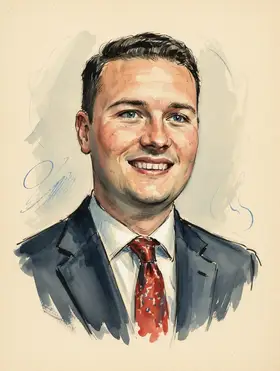
Wes Streeting on Private Healthcare
TL;DR
Wes Streeting adopts a pragmatic stance on using the private sector to reduce NHS waiting lists, while resisting full privatisation.
Key Points
Since July 2024, he has been scrutinized for receiving approximately £10,000 per month in donations linked to private healthcare interests.
He publicly opposes proposals like tax relief on private health insurance, arguing such a policy would cost £1.7bn and benefit only the wealthy.
He defended using the private sector as a pragmatic step to quickly reduce NHS waiting lists, while critics argue this mirrors harmful Private Finance Initiatives (PFI).
Summary
Wes Streeting, as Secretary of State for Health and Social Care, has taken a position that advocates for the pragmatic use of the independent (private) sector to alleviate pressure on the National Health Service (NHS), particularly concerning long waiting lists. He has defended this approach as both principled and necessary to treat patients quicker, arguing that utilizing spare private capacity is an immediate way to address the backlog. However, this position is complicated by significant financial scrutiny, as investigations have shown that he has accepted substantial donations from individuals and entities linked to the private healthcare industry since entering Parliament in 2015. He has also indicated opposition to a fully insurance-based system, contrasting his approach with that of other political figures who advocate for tax relief on private health insurance, which he characterizes as a tax cut for the wealthiest.
This alignment with private sector use has drawn criticism from various medical and public service campaigning groups, who argue it signals a move towards privatization by the back door and raises concerns about undue influence due to his substantial financial backing from these interests. Critics point to this funding as a potential conflict of interest, especially as the government considers plans that could guarantee private firms public money through arrangements similar to Private Finance Initiatives (PFIs). Streeting’s stated commitment remains focused on rebuilding the NHS, but his use of private providers and the associated opaque nature of the lobbying and donation landscape have led to calls for greater transparency regarding his communications with private health donors.
Frequently Asked Questions
Wes Streeting's core stance is to pragmatically use the independent sector to deliver NHS services, primarily to cut down on waiting lists. He defends this as necessary for immediate patient benefit while maintaining that the NHS must remain publicly funded and free at the point of use. This position is characterized by organizations as mixed due to his reliance on private capacity alongside concerns over funding from private interests.
The available information suggests that Wes Streeting's current position is consistent with his past statements as Shadow Health Secretary, where he argued for using the private sector to tackle backlogs. However, his financial history shows consistent acceptance of donations from private health-linked donors since 2015, which some critics view as influencing his current policy direction, rather than a change in stance.
Wes Streeting is expected to strongly criticize proposals for tax relief on private healthcare insurance, such as those put forward by Reform UK. He is set to describe such a policy as a damaging 'tax cut for the wealthiest' that would move the UK toward an insurance-based system, contrasting it with Labour's commitment to a publicly funded NHS.
Sources6
Wes Streeting's links to private health and tech companies under fire in wake of Mandelson texts
Reform UK's private health insurance plan would cost £1.7bn, Streeting to say
Health secretary keeps taking donations linked to private health
Call for Streeting to release messages with private health donors – DAUK
Stop Wes Streeting using our money to build up private healthcare
Wes Streeting on Leading : r/TheRestIsPolitics
* This is not an exhaustive list of sources.