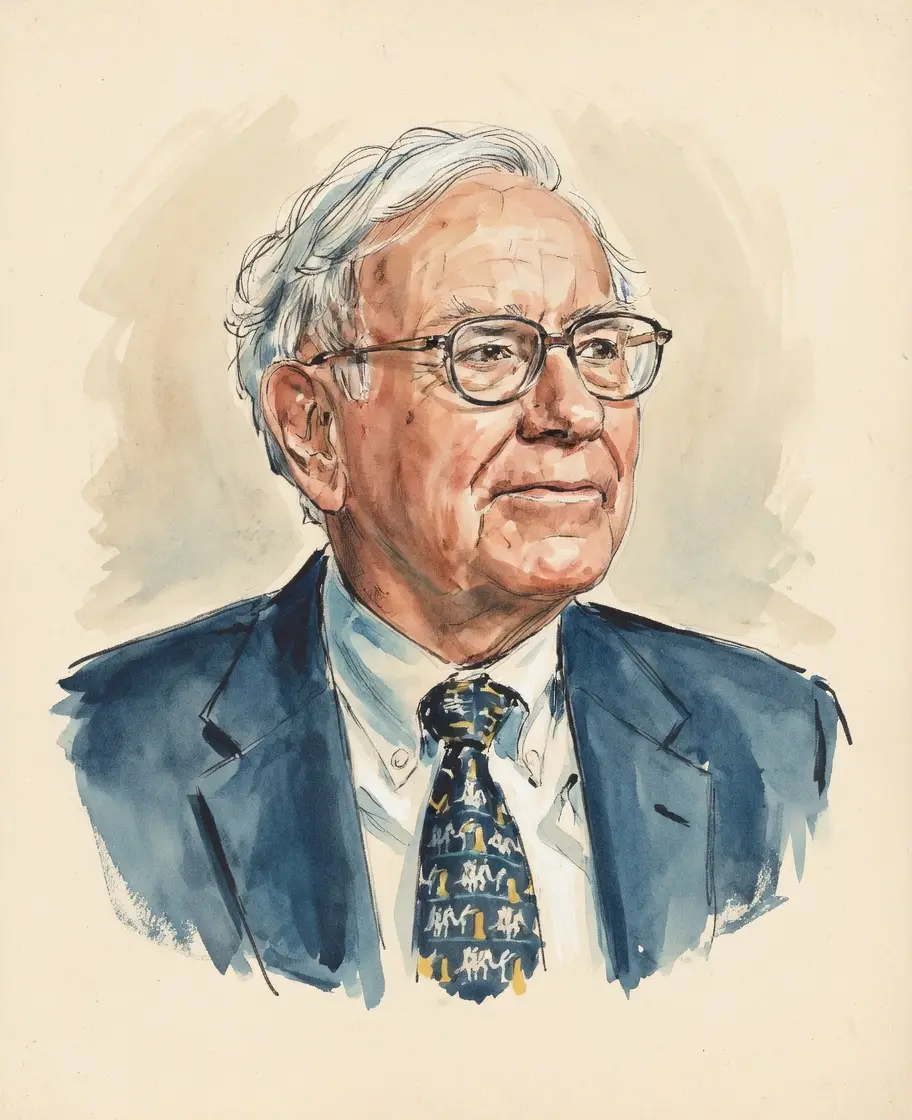
Warren Buffett on Interest Rates
TL;DR
Warren Buffett views interest rates as a fundamental gravitational force that significantly determines the intrinsic valuation of all assets.
Key Points
Interest rates function as a universal gravitational force that directly impacts the valuation of all assets.
When interest rates are low, the perceived risk of holding stocks decreases relative to fixed-income alternatives, often driving up multiples.
He has historically noted that rising interest rates in the early 1980s caused the P/E ratio of the S&P 500 to decline.
Summary
Warren Buffett consistently asserts that interest rates act as a critical, invisible force—likened to gravity—that governs the valuation of every asset. When interest rates are high, the discount rate used to calculate the present value of future cash flows increases, thereby diminishing the current worth of businesses. Conversely, lower rates decrease this discount factor, increasing valuations across the board. This principle is central to his approach because, as a value investor, he discounts expected future earnings to determine a company's true worth; the prevailing interest rate sets the baseline for this calculation.
This perspective explains why he often expresses caution when valuations appear stretched, especially during prolonged periods of low rates, as this environment reduces the opportunity cost of holding riskier assets like stocks. When interest rates are near zero, investors flock to equities seeking any reasonable return, which can inflate prices beyond fundamental logic. While he does not let macro predictions dictate his specific stock-picking, the general interest rate environment heavily influences the price he is willing to pay for a security.
Frequently Asked Questions
Warren Buffett's core view is that interest rates are fundamental to asset valuation, acting like a form of gravity. He believes that rising rates mechanically lower the present value of a company's future cash flows, thus reducing its intrinsic worth.
While he emphasizes that he does not try to predict macro trends like rate changes, the prevailing rate heavily influences opportunity cost. Extremely low rates make holding cash or bonds less appealing, potentially pushing investors towards accepting higher stock multiples than they otherwise would.
The investor commented on how sharply rising interest rates in 1981 caused a notable drop in market valuations, specifically citing a reduction in the S&P 500's P/E ratio. This historical example illustrates the powerful negative effect of elevated rates on equity pricing.
Sources6
Interest Rates Are Falling. Is This Warren Buffett Recommendation Still a Good Bet for Your Retirement Portfolio?
Warren Buffett: "Interest rates act like gravity on valuation."
How Warren Buffett Uses Interest Rates To His Advantage
Warren Buffett On Why Interest Rates Matter So Much For Investing
Managers Need to Relearn How Interest Rates Work
Warren Buffett: Everything in valuation gets back to interest rates
* This is not an exhaustive list of sources.