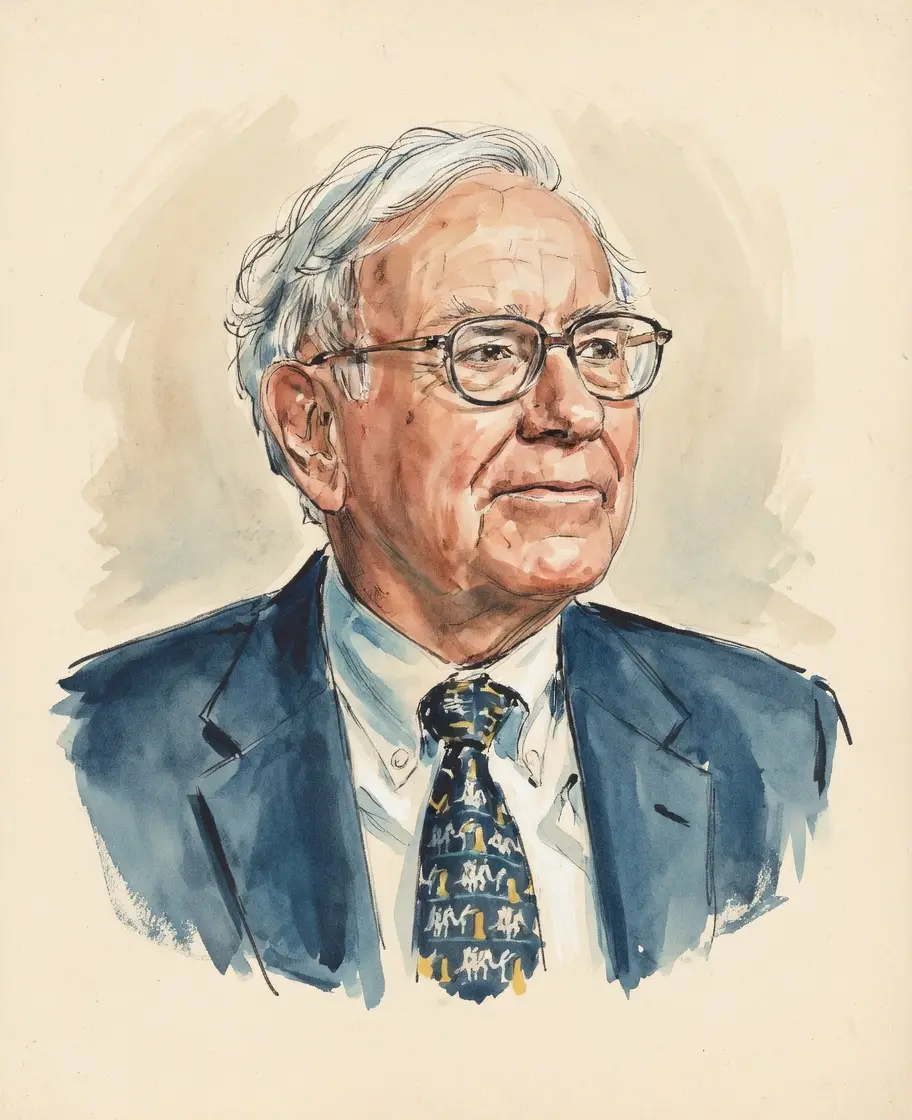
Warren Buffett on Dividends
TL;DR
Warren Buffett strongly favors company reinvestment over paying dividends, though he values receiving them from portfolio holdings.
Key Points
Berkshire Hathaway has paid only one nominal cash dividend on January 3, 1967, preferring to retain earnings for reinvestment.
He values companies that pay dividends when they lack internal opportunities to reinvest capital at a high rate of return.
For individual investors in taxable accounts, he implies that forgoing dividends maximizes tax efficiency and compounding power.
Summary
Warren Buffett's stance on dividends is best understood as a nuanced preference for capital allocation, heavily favoring internal reinvestment over direct shareholder payouts from Berkshire Hathaway. He frequently cites that by foregoing dividends, Berkshire shareholders have elected to reinvest, which, when compounded over decades, has resulted in phenomenal returns, vastly outperforming market averages. For Berkshire itself, which has numerous opportunities to deploy capital, paying a dividend is seen as tax-inefficient and detrimental to compounding, leading to the company paying only one nominal cash dividend in 1967, an event he later called a "bad dream."
Conversely, he has an abiding love for owning shares in companies that pay reliable and growing dividends, such as Coca-Cola and American Express. When he invests in these companies, he wants them to be disciplined in their capital allocation, using dividends as a marker of a healthy business or as a means to return excess cash when better reinvestment opportunities are scarce. The key distinction is that he prefers to receive dividends from owned businesses for reinvestment elsewhere, believing he can generate a greater return on that capital than the original paying company could. Therefore, for the individual investor, his position implies that taking dividends in taxable accounts hurts long-term compounding due to tax drag, favoring stock price appreciation instead for maximum tax efficiency.
Frequently Asked Questions
Warren Buffett is firmly against Berkshire Hathaway paying a regular dividend. He believes the company has superior opportunities to reinvest retained earnings internally—through acquisitions, business growth, or share repurchases—which is expected to yield a greater return for shareholders than a dividend payment would.
No, Warren Buffett likes receiving dividends from the high-quality companies Berkshire Hathaway owns, such as Coca-Cola. He uses these incoming dividend payments as capital that he can then strategically deploy into what he perceives as even better investment opportunities for the holding company.
Dividends are viewed as less tax-efficient than capital appreciation because they are taxed immediately upon receipt, especially in taxable accounts, thus creating a drag on compounding returns. By retaining earnings, Berkshire allows shareholder wealth to compound untaxed until the stock is eventually sold.
Sources6
The Best Warren Buffett Dividend Stocks | Kiplinger
Warren Buffett's Dividend Portfolio
Lessons From Buffett: Dividends Are Tax-Inefficient, and Hurts Compounding
Buffett does not believe in dividends!! : r/dividends - Reddit
Warren Buffett's Approach To A Dividend Investing Strategy
How to Use Dividends like Warren Buffett?
* This is not an exhaustive list of sources.