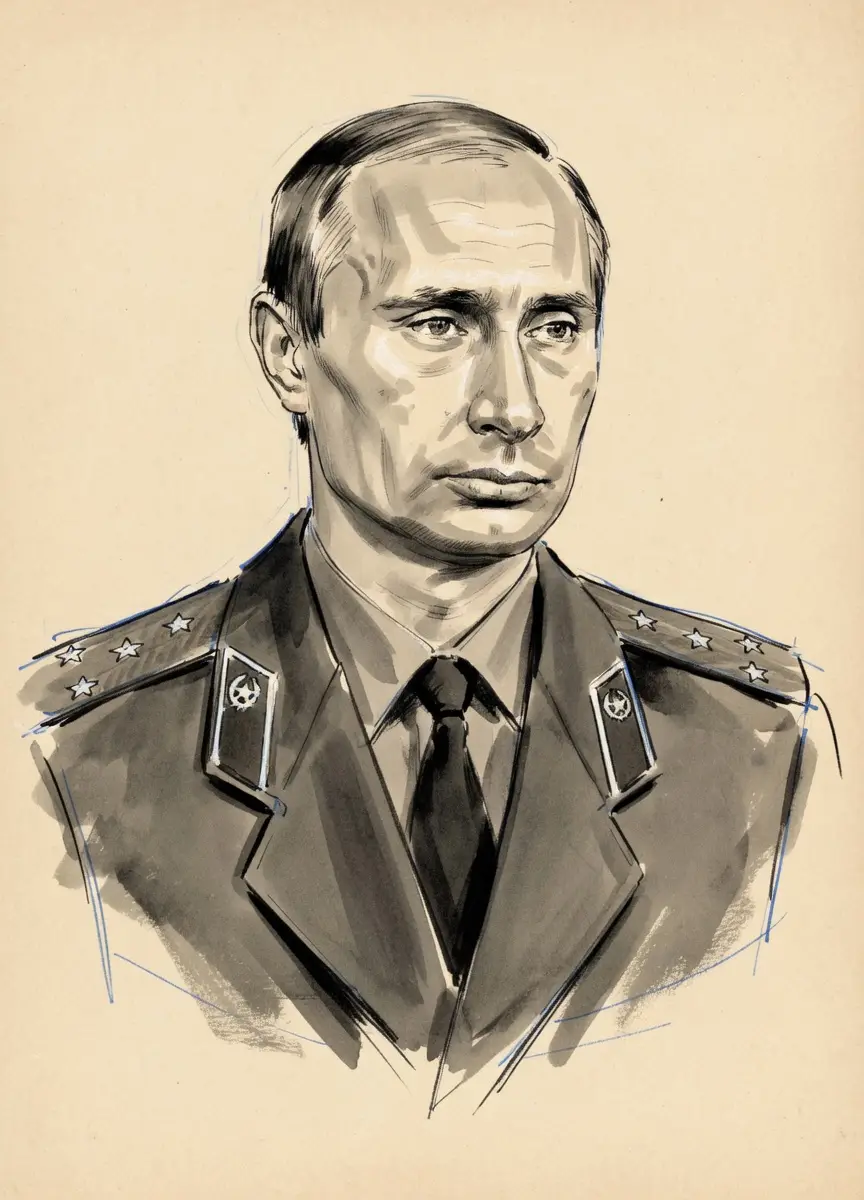
Vladimir Putin on Religion
TL;DR
Vladimir Putin strategically aligns his political identity with the Russian Orthodox Church to foster domestic cohesion and justify foreign policy.
Key Points
The president took an active personal part in promoting the Act of Canonical Communion in May 2007, restoring relations between the Russian Orthodox Church and the Russian Orthodox Church Outside Russia.
One of the 2020 amendments to the Constitution of Russia directly refers to belief in God.
Nonviolent religious minority groups, such as Jehovah's Witnesses, have been repressed under anti-extremism laws during his tenure.
Summary
Vladimir Putin is Russian Orthodox, a faith he has strategically intertwined with Russian state identity since assuming power in 1999. He professes this religion, drawing on a narrative that his mother secretly had him baptized and claiming his personal religious awakening followed crises in the 1990s. He has cultivated a close relationship with the leadership of the Russian Orthodox Church, famously participating in key services and supporting actions like the Act of Canonical Communion that reunited the Moscow Patriarchate with the Russian Orthodox Church Outside Russia in 2007. This alignment serves to bolster domestic unity following the Soviet era and project Russia as a bastion of traditional Christian values internationally, particularly in contrast to what he portrays as the moral decay of the West.
This embrace of Orthodoxy carries significant political implications, as the faith is used to legitimize his authority, promote conservative social policies, and underpin foreign policy narratives, such as justifying the invasion of Ukraine by claiming the need to protect Orthodox believers from repression. While he champions the state-aligned Church, the government has simultaneously suppressed religious minority groups under anti-extremism laws, suggesting his support is conditional on adherence to state-sanctioned religious structures. Furthermore, one constitutional amendment he supported in 2020 explicitly references belief in God.
Frequently Asked Questions
Vladimir Putin is Russian Orthodox. He has spoken about his personal religious awakening stemming from events in the mid-1990s. His mother was a devout Russian Orthodox Christian, while his father was an atheist.
The president uses his connection to the Russian Orthodox Church to reinforce domestic cohesion and project Russia as a defender of traditional Christian values globally. This narrative is also used to justify foreign policy actions, particularly against Ukraine and the West.
No, the relationship has evolved; under Soviet rule, the Church was heavily repressed. Under Putin, the Church leadership has become closely allied with the state, with the Patriarch even calling his election a 'miracle of God'.
Sources5
Vladimir Putin
The Unexpected Theologian: The Rise of Religious Messaging in Putin's Re-making of Russian State Identity
Russian propaganda finds sympathetic ears among U.S. religious right
Vladimir Putin: a miracle defender of Christianity or the most evil man?
What Putin's Re-Election Means for Christians
* This is not an exhaustive list of sources.