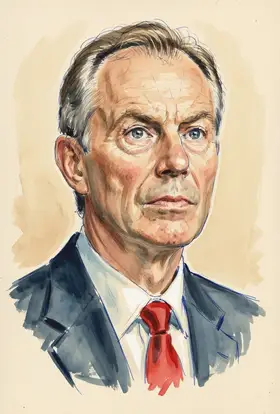
Tony Blair on NHS
TL;DR
Tony Blair advocated for significant market reforms within the NHS, moving toward state enabling and regulating rather than pure state provision.
Key Points
He launched a reform programme around 2000 that included proposals for changes to consultant and GP contracts to improve flexibility and performance.
The government aimed to abolish waiting lists by the end of 2005, replacing them with booking systems that guaranteed maximum waiting times.
Institutions associated with him advocate for integrating the NHS App with private-sector providers to expand capacity and for greater focus on digital prevention tools.
Summary
Tony Blair, as Prime Minister, initiated a major reform programme for the NHS in England, aiming to make it a world-leading system through structural changes and increased investment. A core tenet of his approach was the introduction of competition, as he stated a desire to open up the whole NHS supply system so the state would act as the enabler and regulator, rather than always being the direct provider. This involved changes to contracts for consultants and GPs, promises for significant staffing increases, and targets for reducing waiting times for treatment, while also recommending a concordat with the private sector.
The legacy of his tenure is complex; while official results showed marked improvements in areas like waiting lists and emergency department times, public and staff satisfaction often remained low due to constant structural reorganisations and concerns over market-driven changes. His reforms included moves like establishing foundation trusts and introducing diagnostic and treatment centres that involved independent sector providers. More recently, institutions linked to him have advocated for advanced digital transformation of the health service, emphasizing consumer-focused design, integration with the private sector, and leveraging technology like the NHS App to drive efficiency and modernise care pathways.
Frequently Asked Questions
Tony Blair's core approach was centred on introducing market mechanisms to improve efficiency, famously stating a wish for the state to be the enabler and regulator, not always the provider. He oversaw significant investment alongside structural reforms to tackle issues like waiting times.
Yes, institutions founded by the former Prime Minister, such as the Tony Blair Institute, continue to publish reports on transforming UK health services. These recent analyses focus heavily on digital transformation through the NHS App and patient agency.
He criticised existing consultant and GP contracts as being 'outdated and inflexible' when launching a reform programme. The plan proposed changes, such as contracting newly qualified consultants to work exclusively for the NHS for an initial period.
Sources6
Blair says whole of NHS should be opened up to competition
The NHS at a Crossroads: The App That Can Transform Britain's Health
Tony Blair launches radical NHS plan for England
Scottish Labour told to come clean on NHS privatisation plans
* This is not an exhaustive list of sources.