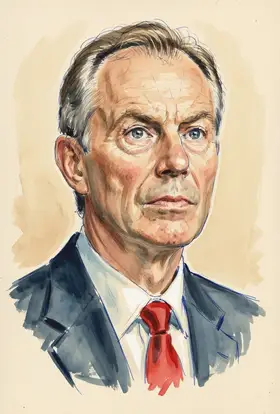
Tony Blair on Iraq War
TL;DR
Tony Blair maintained that the decision to join the 2003 Iraq War, though difficult, was ultimately the right one for global security.
Key Points
He revealed he disregarded the Attorney General's provisional advice that attacking Iraq without further UN backing would be illegal in January 2003.
Following the 2016 Chilcot report, he acknowledged 'real and material criticisms' but maintained the decision was taken 'in good faith'.
In 2005, he stated it was 'essential' that courts like the International Criminal Court (ICC) did not investigate UK actions in Iraq.
Summary
Tony Blair firmly defended his decision to support the United States-led invasion of Iraq in March 2003, arguing that removing Saddam Hussein was necessary because the regime posed a threat to the region and the world, even after the failure to find Weapons of Mass Destruction (WMDs). He stated in his testimony that he believed the world was safer as a result of the invasion and that he would have supported regime change regardless of the WMD intelligence. Documents later suggested he was concerned with ensuring UK actions would avoid international prosecution, pressing for military justice over civil courts for soldiers accused of abuse.
His stance has remained consistent, despite widespread domestic opposition and the damning assessment in the 2016 Chilcot Inquiry report, which criticized his handling of the case for war and relationship with the US. While he expressed sorrow for the losses and admitted to mistakes in planning and process, he has refused to apologize for the core decision to take military action, often framing it as a necessary, good-faith choice based on the information and security challenges following the 9/11 attacks.
Key Quotes
“You can count on us, we are going to be with you in tackling this, but here are the difficulties.”
Frequently Asked Questions
Tony Blair’s position is that the 2003 invasion of Iraq was the 'right decision' at the time, believing the world is safer without Saddam Hussein. He has consistently defended the core choice to use military action, even while admitting to mistakes in planning and intelligence handling.
While he admitted to mistakes in planning and process following the Chilcot report, he has largely maintained that the decision to go to war was legally and morally justifiable based on the intelligence available. He has refused to apologize for the decision itself.
He stated that he disregarded his top legal adviser’s initial provisional guidance because he had not yet received formal advice, and he believed a second UN resolution was not necessary. He maintained this position despite the legal adviser expressing discomfort with his public comments.
Sources5
Did Tony Blair influence trial of UK soldiers accused of killing Iraqi man?
Tony Blair - Wikipedia
Why did Tony Blair go to war in Iraq? That's not even the right question
Blair: Why I Disregarded Iraq War Advice - Defence IQ
A Failure of Ideas: Revisiting Tony Blair's Legacy in Iraq
* This is not an exhaustive list of sources.