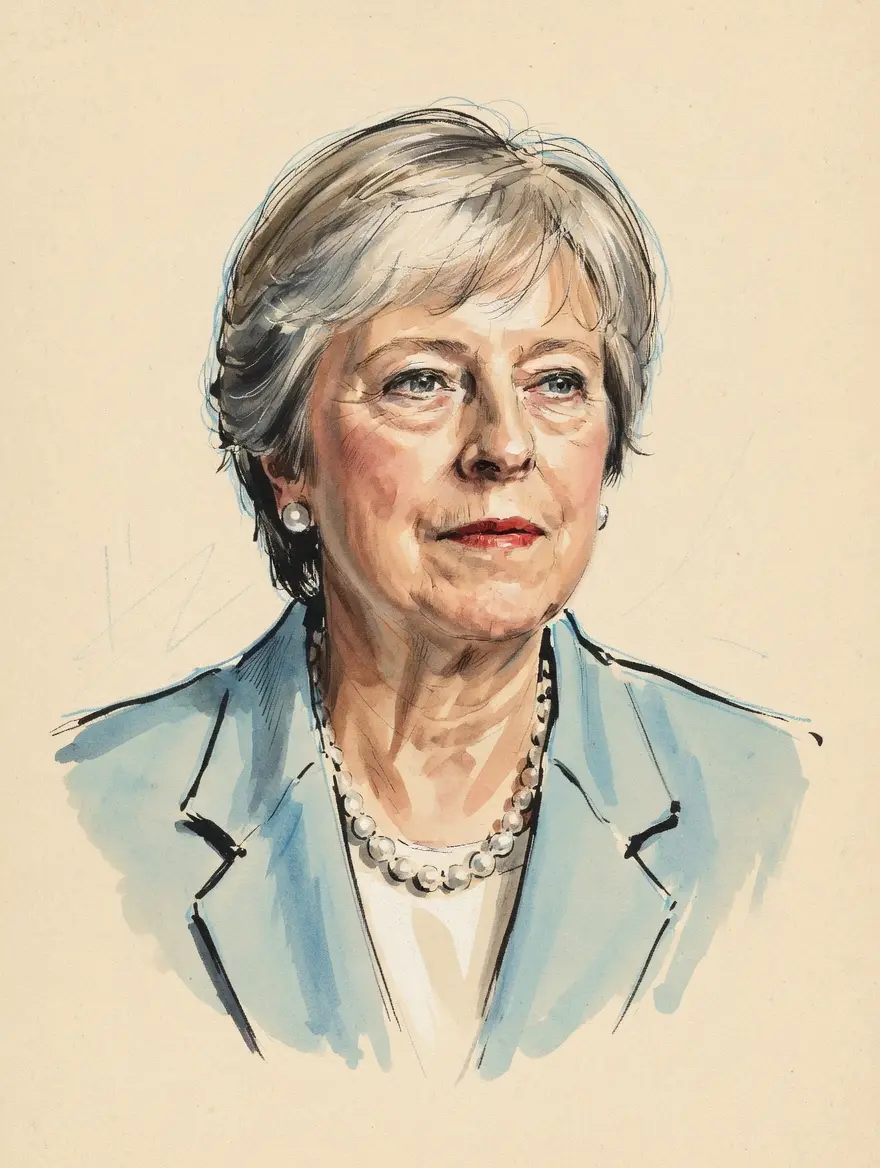
Theresa May on LGBTQ+ Rights
TL;DR
Theresa May positioned herself as a strong advocate for LGBTQ+ rights, both domestically and globally, throughout her career.
Key Points
She expressed deep regret for historical laws that criminalized consensual same-sex relationships in the UK.
While serving as Home Secretary, her government oversaw the creation of the first comprehensive LGBT+ action plan in 2018.
She actively promoted LGBT+ allyship and rights on the International Day Against Homophobia, Transphobia and Biphobia.
Summary
Theresa May articulated a firm belief in protecting and advancing the rights of lesbian, gay, bisexual, and transgender (LGBT+) individuals, which she frequently referenced as a key part of her political legacy. As Prime Minister, she stated that one of her proudest achievements was addressing homophobic, biphobic, and transphobic inequality, and she explicitly linked this advocacy to the Conservative Party's One-Nation agenda, emphasizing inclusivity and equality for all citizens. Evidence of this commitment included overseeing the creation of the first-ever government plan to tackle challenges faced by the LGBT+ community, and expressing regret over historical legislation that criminalized gay men.
Following her tenure as Prime Minister, the former Prime Minister continued to speak out in support of the community, particularly championing global efforts against discrimination. She strongly supported international campaigns against persecution of LGBT+ people in countries where it remains criminalized, asserting that the UK must use its influence to promote universal human rights. Her statements often highlighted the importance of allyship and the need to combat prejudice, viewing the promotion of LGBT+ rights as a necessary component of modern British values and foreign policy.
Frequently Asked Questions
Theresa May consistently maintained a positive position, often stating that advancing LGBTQ+ rights was a key personal and political goal. She framed this advocacy as central to the Conservative Party’s commitment to an inclusive, One-Nation society.
Her core stance has remained positive and supportive; she has not significantly reversed her position. However, her actions in government—such as apologizing for past laws—showed an evolution in how the government engaged with historical wrongs.
Upon exiting office, Theresa May identified tackling homophobic, biphobic, and transphobic inequality as one of her proudest achievements as Prime Minister. She stressed the importance of protecting these rights both at home and internationally.
Sources7
Theresa May Now Exits Office: What Was Her LGBTQ Legacy?
Theresa May: Tories must be the party of LGBT people
Speech: Celebrating LGBT+ Allies
Theresa May's government launches first LGBT+ action plan
International Day Against Homophobia, Transphobia and Biphobia
LGBT international rights debate
May deeply regrets laws being introduced
* This is not an exhaustive list of sources.