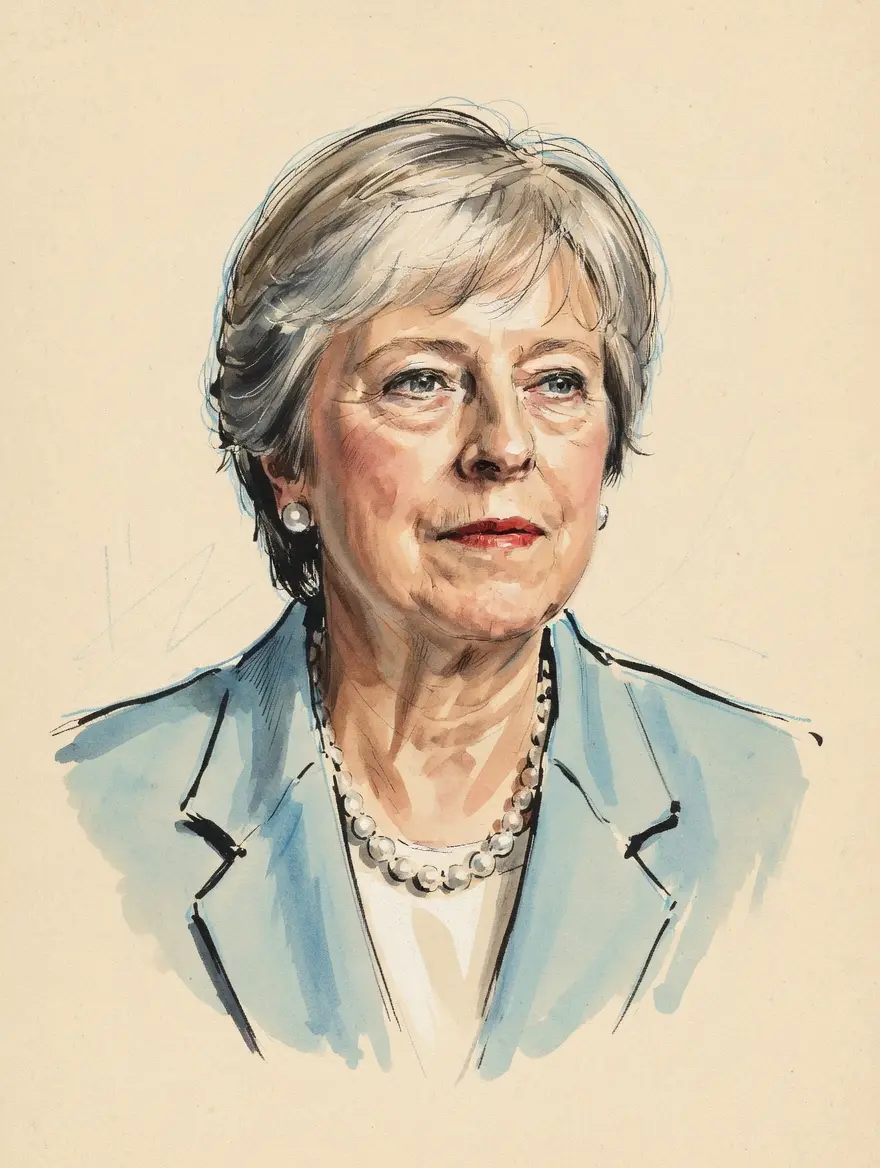
Theresa May on Gender Recognition Act
TL;DR
Theresa May pledged to streamline and de-medicalize the Gender Recognition Act process to improve transgender rights.
Key Points
In 2017, Theresa May stated that being transgender is not an illness and that she was committed to reforming the GRA to be less medicalised.
Her government launched a public consultation on reforming the GRA in July 2018, acknowledging that the process was overly bureaucratic and invasive for transgender people.
The government responded to the 2018 consultation by reducing the fee and moving the process online, but did not enact major reforms like removing the gender dysphoria diagnosis requirement.
Summary
Theresa May, during her time as Prime Minister, publicly supported plans to reform the Gender Recognition Act (GRA) to make the process for legally changing gender less intrusive and bureaucratic. She specifically stated that being transgender is not an illness and should not be treated as such, aligning with a move toward de-medicalisation. This commitment was made in 2017, leading to the launch of a Government Equalities Office consultation in 2018 regarding GRA reform, which sought views on removing the need for a gender dysphoria diagnosis.
Although May launched the review process, her subsequent administration did not implement the more substantial reforms advocated by a majority of consultation respondents, such as removing the medical diagnosis requirement. The government that followed her tenure ultimately decided to retain the existing checks and balances, though they did digitise the application process and reduce the fee, which was seen by some as an insufficient response to the initial commitment to reform.
Key Quotes
What was very clear from our survey is that transgender people across the UK find the process of legally changing their gender overly bureaucratic and invasive. I want to see a process that is more streamlined and de-medicalised - because being trans should never be treated as an illness”.
We have laid out plans to reform the gender recognition act, streamlining and demedicalising the process for changing gender because being trans is not an illness and it should not be treated as such.
Frequently Asked Questions
Theresa May took a public stance in support of reforming the Gender Recognition Act to make it less medicalised and more streamlined during her tenure as Prime Minister. She explicitly stated that being transgender is not an illness, suggesting a positive view toward improving the process for trans people. While she initiated a consultation on reform, the resulting government actions were considered by some to fall short of the initial commitment.
Theresa May supported streamlining and de-medicalising the GRA process, which was widely interpreted as a step toward self-identification, though she stopped short of fully endorsing 'self-ID' in the final manifesto. She wanted to remove the need for medical diagnosis of gender dysphoria. The consultation launched under her government explored this area, but the eventual outcome did not include implementing a full self-declaration system.
Theresa May stated clearly that being transgender is not an illness and should not be treated as such. This sentiment underpinned her commitment to de-medicalise the process for legal gender recognition under the GRA. She aimed for a process that was 'kinder and more straightforward' for transgender individuals.
Sources9
Theresa May plans to let people change gender without medical checks
Reform of the Gender Recognition Act - Women and Equalities Committee
What went wrong with the Gender Recognition Act? | Dazed
Theresa May says 'being trans is not an illness' and pledges to reform Gender Recognition Act : r/LabourUK
Pride reception 2017: Theresa May's speech - GOV.UK
Gender Recognition Act 2004 | Stonewall UK
Theresa May: Being transgender is not an illness
The GRA at 20: the development of a binary and permanent legal gender
Gender recognition and the Equality Act 2010 - House of Commons Library
* This is not an exhaustive list of sources.