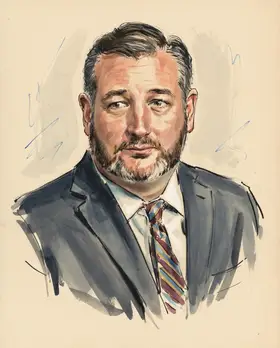
Ted Cruz on Healthcare
TL;DR
Ted Cruz strongly advocates for repealing the Affordable Care Act and advancing market-based solutions like expanding Health Savings Accounts.
Key Points
He authored legislation that repealed the ACA's individual mandate which was signed into law.
He introduced the Personalized Care Act to expand Health Savings Accounts (HSAs) and decouple them from high-deductible plans.
He actively supports increasing access to short-term, limited-duration insurance (STLDI) plans to lower costs and increase choice, as seen with the COMPETE Act in 2025.
Summary
Senator Ted Cruz has been a leading voice advocating for the full repeal of the Affordable Care Act (ACA), often stating that every word of the law must be removed. He actively supports market-based reforms intended to increase consumer choice and affordability, centering on mechanisms like expanding Health Savings Accounts (HSAs). He and his allies have introduced legislation, such as the Personalized Care Act, designed to decouple HSAs from high-deductible plans and expand their eligible uses. Additionally, he has introduced legislation, like the COMPETE Act, aimed at increasing competition by extending the duration of short-term, limited-duration insurance (STLDI) plans.
Historically, his commitment to opposing the ACA included a significant role in the 2013 effort to defund the law, which resulted in a government shutdown, a moment he views as defining his commitment to conservative principles. While opposing the ACA due to increased premiums and reduced options, his current legislative push focuses on empowering individuals with control over their healthcare dollars rather than accepting the existing framework. This alternative approach prioritizes freedom and choice by allowing Americans to manage their own healthcare decisions without substantial bureaucratic interference.
Key Quotes
“I hope so.”
Frequently Asked Questions
Ted Cruz is a strong opponent of the Affordable Care Act (ACA), often stating his commitment to its full repeal. He seeks to replace it with a market-based system focused on expanding consumer choice and affordability. His approach emphasizes policies like expanded Health Savings Accounts and greater availability of short-term insurance plans.
While his commitment to opposing the ACA remains consistent, his legislative proposals have evolved over time to focus on specific replacement strategies. For instance, he has consistently backed measures to expand Health Savings Accounts and allow insurance sales across state lines. The emphasis has shifted from just repeal to proposing detailed market-driven alternatives.
The senator has clearly stated his dedication to ending the ACA, once remarking that he hopes to again target the law. He was a central figure in the 2013 effort to defund the law, which remains a significant part of his legislative history on the issue.
Sources8
Rep. Roy and Sen. Cruz fight for healthcare freedom
Ted Cruz's "Health Care Choice Act"
Health Care | Senator Ted Cruz
NEW – Ted Cruz Opens the Door to Again Attacking Affordable Care Act: “I Hope So”
For Cruz, 2013 Shutdown Was a Defining Moment
Senators Budd and Cruz Introduce Common-Sense Legislation to Increase Affordable Healthcare Coverage Options for Americans
* This is not an exhaustive list of sources.