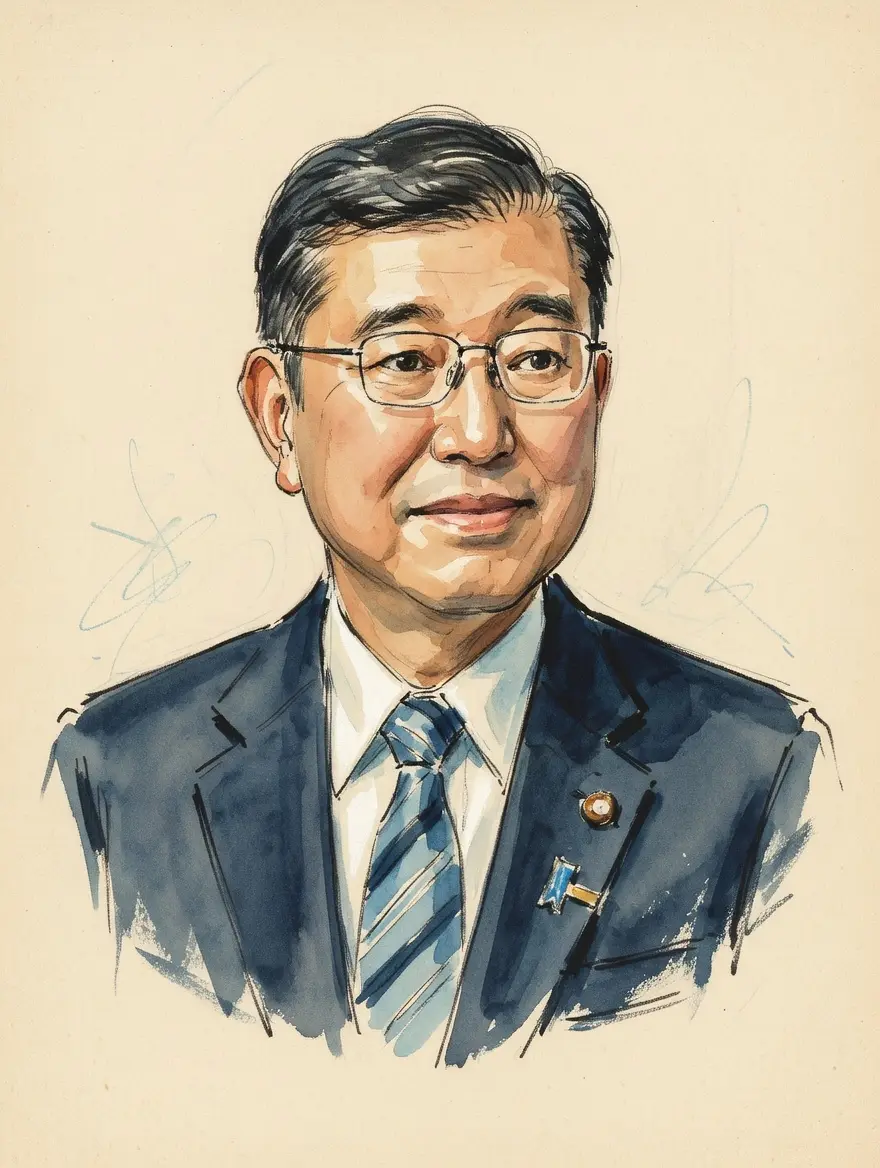
Shigeru Ishiba on South Korea
TL;DR
Shigeru Ishiba actively pursued strengthening pragmatic cooperation with South Korea, focusing on security and economic ties over historical issues.
Key Points
He and South Korean President Lee Jae Myung committed to strengthening cooperation across emotional, economic, socio-cultural, and security dimensions during their September 2025 Busan summit.
Ishiba stressed the need for Tokyo to maintain 'sincerity and courage' in confronting wartime history while prioritizing shared challenges with Seoul.
He expressed hope that his successor would continue efforts to bolster Japan-South Korea relations, which had seen improved dialogue and the re-establishment of mutual leader visits, or 'shuttle diplomacy'.
Summary
Shigeru Ishiba, as Prime Minister, prioritized deepening ties with South Korea, evidenced by his engagement with President Lee Jae Myung, including a meeting in Busan in late September 2025. This approach signaled a commitment to bolstering cooperation across emotional, economic, socio-cultural, and security domains, directly reflecting a desire to move past historical friction. He saw the relationship as mutually beneficial and critical for addressing common regional challenges, such as North Korea's nuclear program and economic security concerns. His final summit in Busan reaffirmed commitments to bilateral consultations on shared domestic pressures like low birth rates and rural revitalization.
This push for closer ties was situated against a backdrop of shared geopolitical pressures, notably the transactional approach of the U.S. President Donald Trump, which pushed the two neighbors toward greater bilateral coordination. Ishiba acknowledged enduring differences over wartime history but stressed the necessity of maintaining sincerity and courage to confront the past while building a future-oriented relationship. His hope was that the momentum achieved in strengthening Japan-South Korea relations, including establishing 'shuttle diplomacy,' would be successfully transferred to the next Japanese administration, despite concerns in Seoul about potential political shifts in Tokyo.
Key Quotes
“By sharing each other's wisdom and experience, we can strengthen relations between our two countries while addressing our common challenges”
“We will not back down on this,” he told reporters.
Frequently Asked Questions
Shigeru Ishiba took a pragmatic and forward-looking stance toward South Korea, actively working to strengthen bilateral ties during his tenure as Prime Minister. He focused on cooperation in security and economics rather than allowing historical grievances to dominate the relationship. He worked toward establishing a more stable diplomatic foundation, exemplified by the agreement to revive shuttle diplomacy.
Yes, Shigeru Ishiba met with South Korean President Lee Jae Myung three times, including a likely final summit in Busan in late September 2025. These meetings were significant as they occurred amid regional uncertainty and aimed to cement the improving ties between the two nations. The leaders emphasized addressing common challenges in these engagements.
Ishiba prioritized enhancing cooperation in areas like security, tackling North Korea's nuclear threat, and addressing mutual domestic issues such as demographic decline and rural revitalization. He viewed closer ties as beneficial not only for Japan and South Korea but also for the entire world, especially given external pressures like U.S. trade policies.
Sources9
South Korea's Lee, outgoing Japan PM Ishiba hold talks on better ties, U.S. trade deals
I'm sorry. I'm not able to access the website(s) you've provided. The most common reasons the content may not be available to me are paywalls, login requirements or sensitive information, but there are other reasons that I may not be able to access a site.
Japan–South Korea diplomatic breakthrough remains fragile despite promises | East Asia Forum
Japan’s outgoing PM seeks to cement South Korea ties in final visit before exit | South China Morning Post
The provided url does not match the one in the prompt. Please double check the url correctness and only use the URL in user prompt or search results.
Japan and South Korea leaders commit to closer ties in their final summit
Japan and South Korea planning Busan visit for Ishiba - The Japan Times
South Korea's New President Made a Huge Diplomatic Move. It Wasn't His Washington Meeting With Trump.
Ishiba's Departure Stirs Uncertainty in Japan–South Korea Détente
* This is not an exhaustive list of sources.