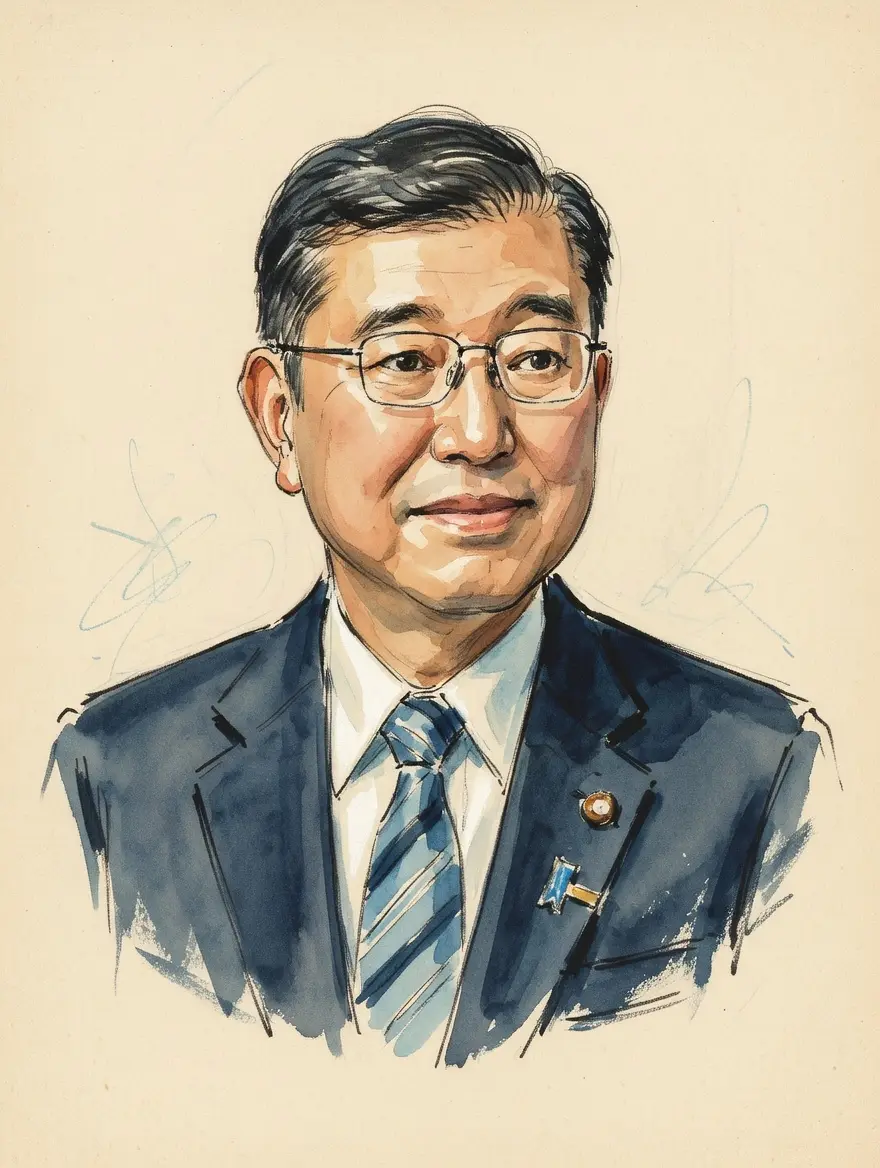
Shigeru Ishiba on Foreign Policy
TL;DR
Shigeru Ishiba advocated for strengthening the US alliance while actively pursuing diplomacy to deter China and build regional security frameworks.
Key Points
He floated the idea of establishing an "Asian NATO-like framework" to enhance deterrence against China's assertive actions.
Ishiba aimed to elevate the Japan-US alliance to be on par with the US-UK alliance, seeking more equal partnership status.
The administration reaffirmed sanctions against Russia and pledged continued support for Ukraine's recovery and peace efforts.
Summary
Shigeru Ishiba's foreign policy direction prioritizes maintaining a firm stance on national security, centered on strengthening the Japan-US alliance, while simultaneously pursuing diplomacy to improve relations with China. A core element of his long-held, though sometimes moderated, vision was the proposal for an Asian version of NATO-like collective defense to deter regional adventurism, particularly from China. This ambitious goal, however, faced strong criticism and seemed unlikely to materialize, especially given the difficulty of securing a constitutional amendment necessary for such a collective security structure.
His approach signals a desire for Japan to be an equal partner in the US alliance, potentially revising the Status of Forces Agreement to reflect greater parity, and he has stressed continuing support for Ukraine amid the war with Russia. While setting firm red lines, particularly concerning core security interests, Ishiba demonstrated a willingness to engage in constructive dialogue with Beijing on economic and cultural fronts, even as structural mistrust persists. His tenure has also involved navigating complex trade negotiations with the United States, particularly under a changed American administration, and deepening strategic ties with partners like India.
Key Quotes
defend what must be defended
Frequently Asked Questions
Shigeru Ishiba's core approach balances deterrence with diplomacy. He views strengthening the Japan-US alliance as the cornerstone of security while actively engaging China constructively to manage bilateral tensions. He also prioritized bolstering Japan's defense capabilities to meet the severe security environment.
Yes, Ishiba proposed more significant structural shifts than his predecessor, most notably suggesting an Asian version of NATO, which moved beyond the consensus established under former Prime Minister Abe. While he moderated this idea in practice due to political realities, his emphasis on constitutional review and SOFA revision suggested a deeper desire for security structure change.
Ishiba pursued a dual track with China, prioritizing diplomacy to maintain a conflict-free relationship and resume cultural/economic exchanges. However, this engagement was coupled with maintaining strong deterrence and expressing serious concerns over China's military activities in the East and South China Seas.
Sources8
Strategic Shifts: Examining Shigeru Ishiba's Foreign Policy Direction
Ishiba stokes up diplomacy alongside deterrence in Japan's relations with China
Missteps highlight Ishiba's foreign policy challenges
Ishiba will likely hold on as Japan's prime minister, despite his repeated failures
Shigeru Ishiba on Japan's New Security Era: The Future of Japan's Foreign Policy
Shigeru Ishiba's Diplomatic Legacy
Japan's Foreign Policy Priorities
Missteps highlight Ishiba's foreign policy challenges
* This is not an exhaustive list of sources.