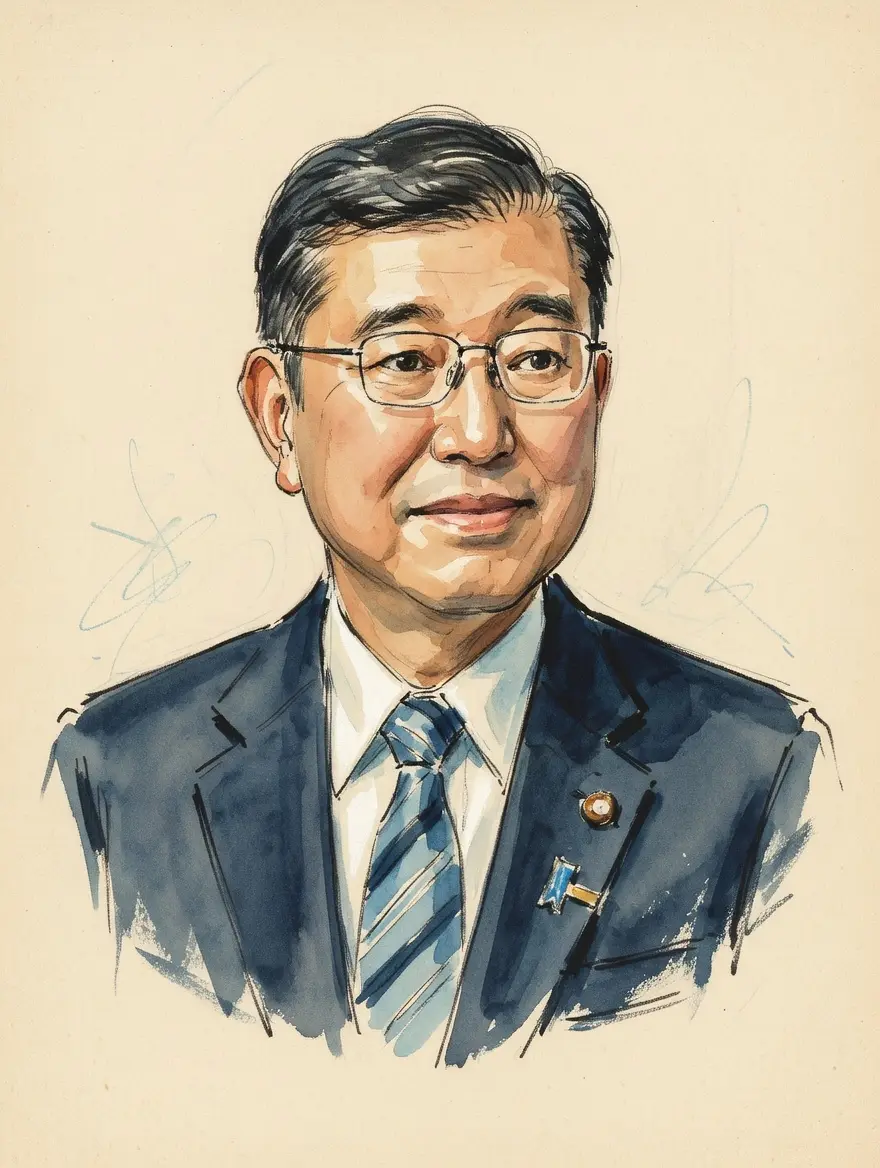
Shigeru Ishiba on Conservatism
TL;DR
Shigeru Ishiba presents a complex position on conservatism, blending moderate domestic stances with strong security conservatism.
Key Points
He supported visiting the Yasukuni Shrine and amending the Peace Constitution at one point, showing a hard-line conservative security streak.
He has been on record stating that Japan's failure to admit historical responsibility is at the root of disputes with neighbors, contrasting with far-right conservatives.
His cabinet appointments reflect a strategic balancing act, bringing in both right-wing figures and moderate conservatives like Yoshihide Suga to stabilize the party.
Summary
Shigeru Ishiba is characterized as a moderate conservative or right-of-center figure on many domestic issues, setting him apart from the far-right elements within his party. For instance, his positive stances on LGBTQ issues and allowing married women to retain their original surnames contrast with more staunchly conservative politicians. However, his broader political identity is rooted in Japanese Conservatism, particularly on matters of national security, where he advocates for enhancing Japan's military capabilities and constitutional revision to permit collective self-defense. This security-focused conservatism has led him to propose ambitious defense frameworks like an 'Asian NATO.'
This ideological duality creates a mixed signal regarding his overall conservative alignment. While Ishiba has been publicly critical of the historical revisionism favored by hard-core conservatives and has acknowledged Japan's wartime aggression, he simultaneously advocates for a robust military posture and constitutional change. His cabinet appointments appear to be a strategic effort to balance these moderate and hard-core conservative factions within the ruling party. Ultimately, Ishiba navigates a path that accepts traditional conservative security goals while selectively departing from the social conservatism associated with the party's right wing.
Key Quotes
Japan should continue to apologize until South Korea accepts those apologies.
We must never again repeat the horrors of war. We must never again lose our way. We must now take deeply into our hearts once again our remorse and also the lessons learned from that war,”
Frequently Asked Questions
Yes, Shigeru Ishiba is generally situated within the spectrum of Japanese Conservatism, particularly within the Liberal Democratic Party (LDP). He strongly aligns with conservative positions on national security, including enhancing military capabilities and constitutional reform. However, he is often characterized as a moderate compared to the party's far-right faction, especially on social issues.
Ishiba is considered less conservative on domestic social issues, such as supporting gender-related policies that contrast with the far-right wing. On security, while both he and others advocate for a stronger defense, he has proposed distinct, sometimes controversial, frameworks like an 'Asian NATO' and acknowledges historical accountability more readily than his hard-line conservative rivals.
Yes, there is evidence that his position has evolved, or at least that his focus has shifted significantly. He once left the LDP over disagreements about constitutional reform, only to rejoin later while campaigning against the leadership of his predecessor. His current stance appears to be a blend, prioritizing security conservatism while adopting more moderate positions on social and historical issues.
Sources9
Last Chance for LDP to Restore Political Capital Squandered by Ishiba
Crisis in Nagatachō: What Ishiba's Exit Means for Japan
Ishiba's statement on WWII explores Japan's failure to avoid war; statement stresses drawing upon lessons but sidesteps perpetrator responsibility: expert - Global Times
Issue Brief Vol.126, No.1, 2025 - The Implications of Ishiba's Party-Cabinet Appointments
Ishiba: The 'flawed' leader Japan clings to - ThinkChina.sg
Shigeru Ishiba Vows To Step Down As Japanese Prime Minister – The Organization for World Peace
[Sejong Focus] Liberal Democratic Party of Japan 2024 Presidential Election Results: Analysis and Implications
Shigeru Ishiba - The Fire Rises Wiki
Profiling Japan's New Prime Minister - MP-IDSA
* This is not an exhaustive list of sources.