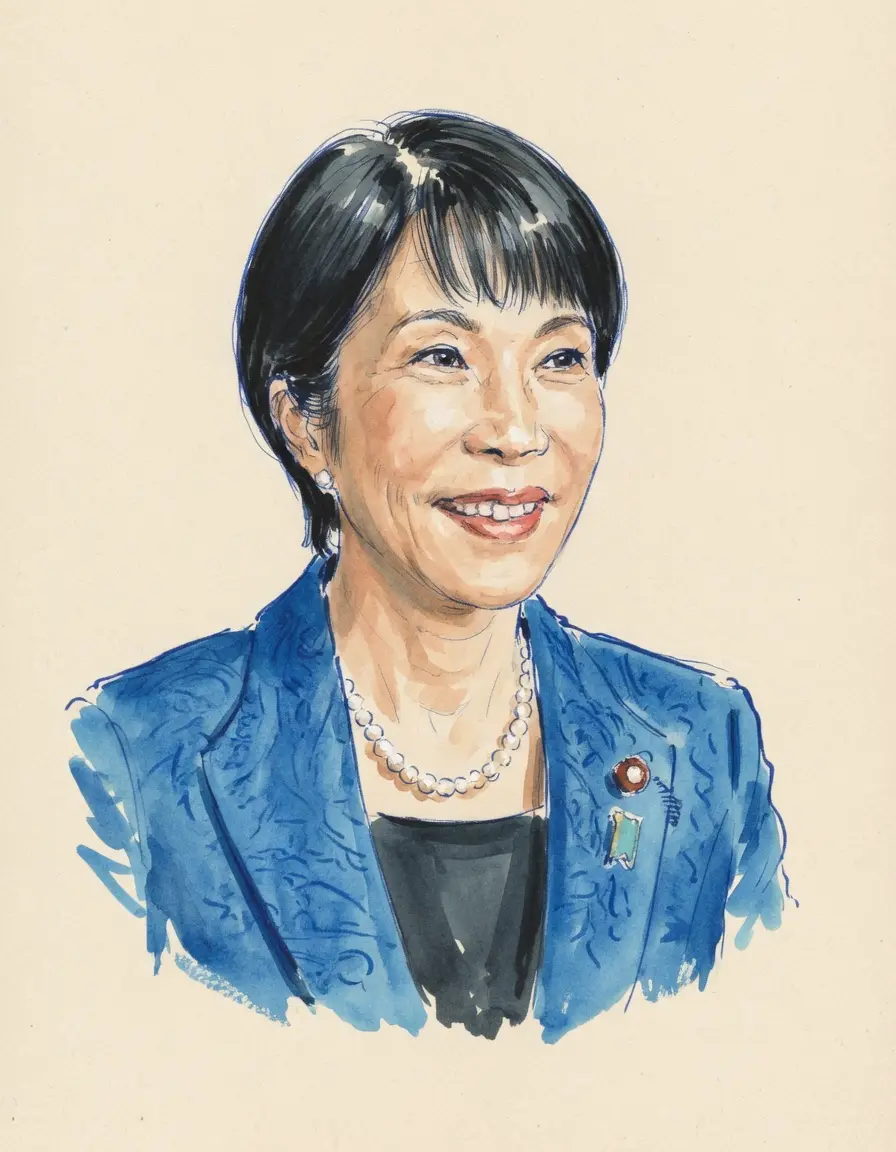
Sanae Takaichi on World War 2
TL;DR
Sanae Takaichi's public focus revolves around current security threats rather than direct commentary on World War 2 history.
Key Points
She has highlighted that Japan faces its most severe and complex security environment.
Her political rise led to international concerns about a return to Japan's pre-World War II militarism.
Her focus has been on strengthening the Self-Defense Forces in light of current regional security situations.
Summary
Sanae Takaichi's public statements primarily center on contemporary security challenges facing Japan, such as those posed by Russia and China, rather than detailed historical discourse on World War 2 itself. Her political prominence has led to scrutiny regarding her revisionist views and association with conservative political factions, which often prompt international concern about a potential resurgence of pre-war Japanese militarism. These concerns are frequently voiced by foreign state-affiliated media outlets following her political successes or statements on national defense and security posture.
Despite the focus on modernization and current threats, her political alignment and association with conservative thought means her stance on historical issues, including World War 2 accountability, is often a point of speculation among international observers and neighboring countries. While not detailing specific positions on the war's conduct or reparations, her emphasis on strengthening Japan's defense posture is interpreted by some as signaling a departure from post-war pacifist norms, generating debate. She secured a historic victory as a leading conservative figure in national politics.
Frequently Asked Questions
Sanae Takaichi's public commentary does not frequently feature detailed positions specifically about World War 2. Instead, her focus tends to be on contemporary national security and defense modernization for Japan. Observers often link her conservative political leanings to potential historical revisionism, though direct statements on the war are scarce.
While direct extensive commentary on World War 2 is not a central feature of her public record, her political stances draw scrutiny regarding historical accountability. Her emphasis on a stronger military posture sometimes causes neighbors and international media to question her stance relative to Japan's past militarism.
She has stated that Japan is facing its most severe and complex security environment. This assessment is often linked to regional dynamics, prompting her to advocate for a strong national defense. Such statements frequently lead to international discussion concerning the implications for Japan's post-war defense policies.
Sources10
Takaichi on Friday said that Japan faces its most severe and complex security environment
Japan's World War 2 military titles to be phased out for SDF staff
Japan's new PM Sanae Takaichi faces backlash over comments
What does Japanese Prime Minister Sanae Takaichi mean by her recent statement "Japan is back"? Should the United States worry that this signals a return to Japan's pre-World War II era of militarism and fascism?
Japan’s First Woman Prime Minister to Come to Power
Russia, China agree to thwart efforts to revive Japanese militarism
* This is not an exhaustive list of sources.