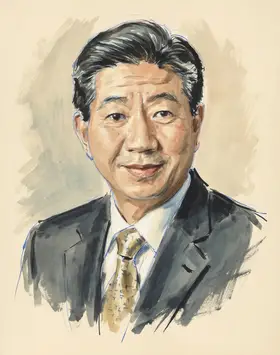
Roh Moo Hyun on Japan
TL;DR
Roh Moo Hyun sought substantive reconciliation with Japan, contingent upon genuine reflection and resolution of historical grievances.
Key Points
He sought to build a future-oriented relationship with Japan but asserted that Japan must act in compliance with its past apologies regarding colonial history in an April 2006 address.
In 2003, during his first visit to Japan, he proclaimed he would not seek any more apologies for the colonial occupation, which was intended to maintain friendly ties.
His administration suggested to the U.S. that Japan be defined as a hypothetical enemy at a security consultative meeting in October 2005 amidst territorial disputes.
Summary
Roh Moo Hyun’s position regarding Japan evolved, marked by an initial desire for forward-looking relations tempered by strong demands for accountability regarding Japan's colonial past. Early in his presidency, he proclaimed he would not seek further apologies, aiming for a friendly relationship, but this stance shifted as conflicts arose over textbook representation of history, compensation for comfort women, and territorial disputes over the Dokdo/Takeshima islets. He famously warned that if Japan did not stop its "history suppression" and clinging to a "dark nostalgia" for its imperial past, peace in East Asia would be endangered. His administration even suggested defining Japan as a hypothetical enemy during a security meeting with the U.S., reflecting deep public distrust.
This tension between pragmatic cooperation—such as pursuing a Free Trade Agreement and coordinating on North Korea—and unresolved historical issues defined his tenure. Roh sought a structural transformation in ties, comparing the desired reconciliation to that of post-war France and Germany, urging Japan to take the initiative in genuine self-reflection and redress for wartime exploitation. Despite the friction, his diplomacy aimed for a future-oriented, substantive partnership built on a basis of honesty regarding the past, which he felt was necessary to earn Japan the trust of its neighbors.
Key Quotes
South Korea and Japan share the same destiny in working together to open the age of Northeast Asia. Unless we pursue the path toward the consolidation of peace and common prosperity through mutual cooperation, our two countries cannot guarantee the safety and happiness of our citizens.
Frequently Asked Questions
Roh Moo Hyun's stance was fundamentally mixed, aiming for a substantive, future-oriented cooperative relationship while simultaneously demanding Japan sincerely address and resolve historical grievances from its colonial rule. He believed that true friendship could only be built upon genuine self-reflection from Japan regarding issues like comfort women and textbook depictions of history.
Initially, he stated he would not seek further apologies, hoping to move relations forward. However, as tensions escalated over history issues, he later demanded Japan take concrete actions in compliance with previous apologies rather than just offering new ones.
The biggest sources of friction were historical issues, specifically Japan's perceived denial of its colonial past in history textbooks and the lack of satisfactory compensation and resolution for victims such as the 'comfort women.' Territorial disputes over the Dokdo/Takeshima islets often brought these historical tensions to the surface.
Sources7
South Korean President Warns Japan Over Island Dispute - VOA
Roh Moo-hyun - Wikipedia
Japanese-Korean Relations at a Turning Point: Evolution Transcending Friction | Nippon.com
South Korea's Roh Moo-Hyun: What Japan Should Learn From Europe - The Globalist
Speeches and Statements by Prime Minister Junichiro Koizumi: Joint Press Conference at the Conclusion of the Japan-Republic of Korea Summit Meeting(Summary)
A Chronicle of Korea-Japan 'Friendship' - Asia-Pacific Journal: Japan Focus
How History Can Actually Solve the South Korea-Japan Crisis - CSIS
* This is not an exhaustive list of sources.