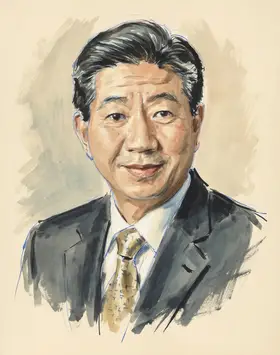
Roh Moo Hyun
- Known for
- Ninth president, Human rights lawyer, Participatory Government
- Born in
- Pongha near Gimhae and Pusan, South Korea
- Founded
- Haemaru Law firm
Roh Moo Hyun was South Korea's ninth president (2003–2008), a former human rights lawyer who rose to power championing reform and overcoming regionalism. Hailing from the 386 Generation, his administration, the Participatory Government, aimed to foster a 'Republic of discussion' and push progressive change.
Signature Positions
Roh's presidency was defined by a mix of progressive domestic goals and complex foreign relations:
- North Korea: Continued the Sunshine Policy of engagement, becoming the first president to cross the border by foot to meet Kim Jong Il.
- Economic Policy: Pursued Free Trade Agreements (FTA), including a significant one with the United States, while simultaneously increasing social welfare spending.
- Government Reform: Initiated aggressive anti-corruption measures and proposed a controversial plan to relocate the capital away from Seoul.
- Foreign Relations: Strained relations with Japan over historical issues, while navigating a complicated relationship with the United States, despite sending troops to Iraq.
Notable Tensions
Roh's tenure was fraught with significant political opposition and public dissatisfaction:
- Impeachment: Faced an impeachment vote in 2004 for illegal electioneering, though the Constitutional Court overturned the decision.
- Economic Criticism: Despite high marks in areas like press freedom and nominal GDP growth, he faced severe criticism for economic mismanagement and high approval rating lows.
- Political Stalemate: His attempts at significant reform, including the capital relocation and a grand coalition with the opposition, largely failed due to resistance from conservatives and his own party base.
Roh's political career began with fierce advocacy for student activists and opposition to authoritarian rule. While his presidency ended with low popularity amid bribery allegations concerning his family, public opinion significantly shifted after his death in 2009. His legacy is now often viewed through a lens of national progress and commitment to reform, with later polls ranking him as one of South Korea's most popular presidents.