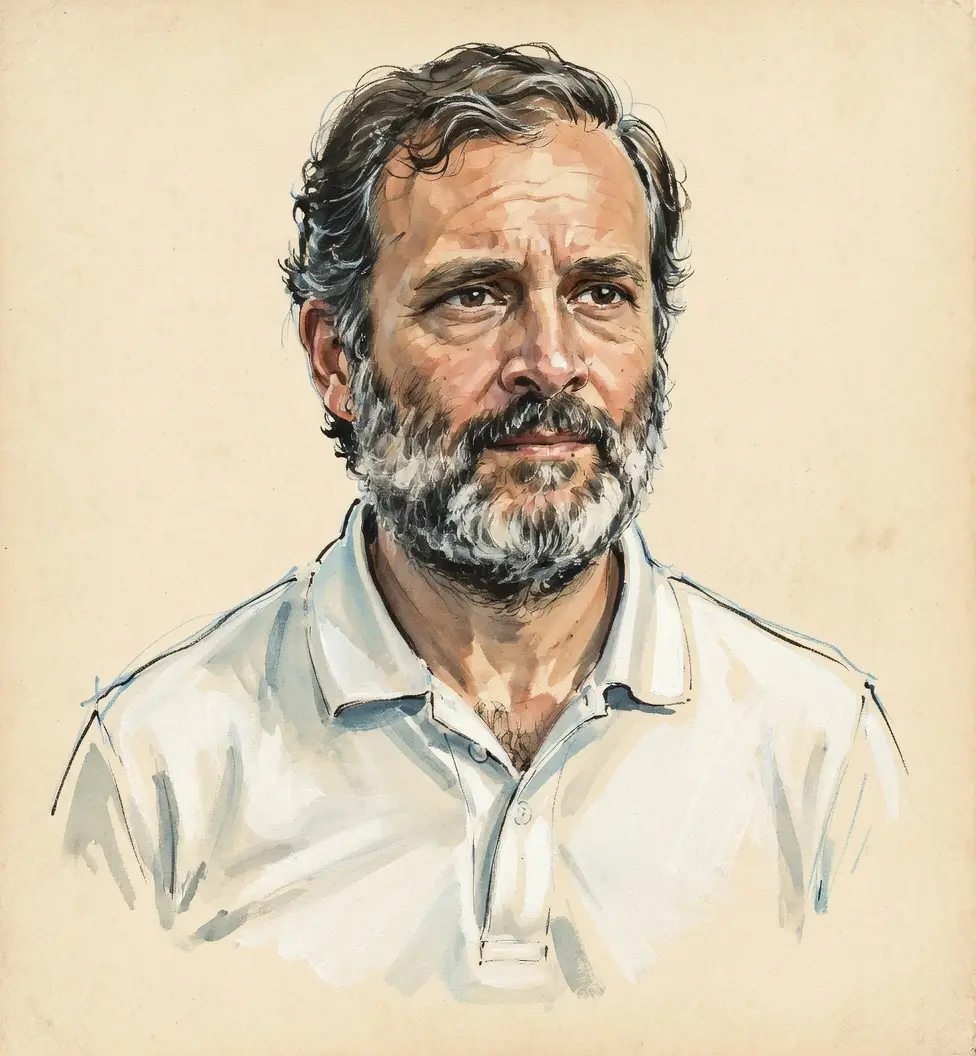
Rahul Gandhi on Terrorism
TL;DR
Rahul Gandhi warned that excluding minorities and the poor from development fosters the creation of terrorist groups like IS.
Key Points
He warned that excluding minorities and lower-caste people from development could lead to the creation of terrorist groups like IS in 2018.
His comments about terrorism and exclusion drew sharp condemnation from the ruling party, which termed the statement a national crime.
He maintained that his comments were a warning to the government regarding the potential fallout if minorities continued to be alienated from the national narrative.
Summary
Rahul Gandhi asserted that the exclusion of large segments of the population, specifically minorities and lower-caste people, from the national development process creates a dangerous vacuum. He posited in an August 2018 address that if these groups are not given a vision, alternative, extremist ideologies will fill that space, citing the creation of terrorist groups such as the so-called Islamic State as a potential consequence of such alienation. He characterized this as a significant risk in the 21st century, criticizing the ruling party's narrative for failing to include marginalized communities.
This assertion sparked significant political controversy, with opponents arguing he was justifying the formation of such terror outfits and issuing veiled threats to the Prime Minister. Conversely, some commentators viewed his statement as a whistleblower-like warning about the internal repercussions of perceived government policies that alienate religious minorities and other disadvantaged groups. The core of his position seems to link socio-economic and political marginalization directly to the rise of radicalization and subsequent terrorist activity.
Frequently Asked Questions
Rahul Gandhi's primary articulated position connects terrorism, specifically the rise of groups like IS, to the systematic exclusion of minorities and marginalized communities from the development process. He views this alienation as creating a dangerous vacuum that extremist ideologies can fill in the 21st century.
The provided sources mainly focus on a specific, controversial statement made in 2018 linking socio-economic exclusion to terrorism. There is no explicit evidence in the current set of sources detailing a significant evolution or change in this particular linkage over time.
The most prominent statements available relate to his 2018 comments made abroad, where he cautioned that the government's policies alienating minorities could foster terrorism. The provided sources do not contain recent, distinct statements on terrorism policy outside this context.
Sources4
Statement by BJYM President Shri Anurag Thakur on misleading statement by Rahul Gandhi equating RSS with SIMI
India: Rahul Gandhi Causes Uproar With Terrorism Claim
Craziness! Rahul Gandhi protests against Modi govt’s new policy on terrorism in Loksabha
* This is not an exhaustive list of sources.