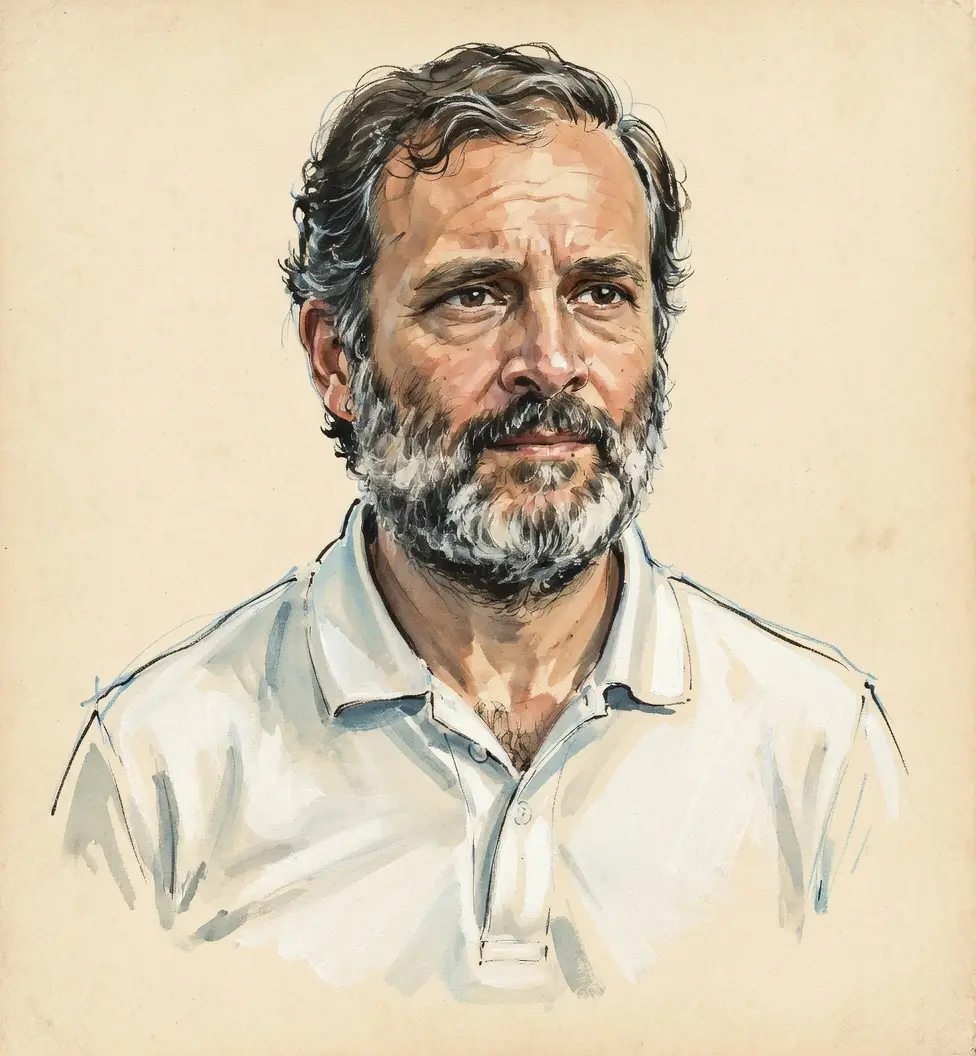
Rahul Gandhi on Indian Economy
TL;DR
Rahul Gandhi strongly criticizes the current government's economic policies, alleging they compromise national interests for foreign benefit.
Key Points
He alleged that a signed US trade deal will subject Indian agriculture to competition from large, mechanized American corporations, resulting in devastation for the agrarian economy.
Concerns were raised about India's energy security, claiming the Prime Minister agreed to a situation where India must seek permission before purchasing oil from countries like Russia.
He warned that commitments made compromise India's data sovereignty, opening up the national resource of data generated by its citizens to American companies.
Summary
Rahul Gandhi's core position on the Indian Economy centers on the accusation that the Prime Minister has "betrayed the country" through specific trade deals, which he claims will severely damage the agrarian sector and small businesses by favoring large, mechanized American corporations over local entities. He asserts that commitments made, such as those related to a US trade deal, directly compromise India's economic independence and security, including in energy and data sovereignty.
He contextualizes these economic concerns within broader national security and political issues, arguing that the government avoids parliamentary debate on topics like the West Asia situation because it links directly to the impact on fuel prices and the potential "economic devastation" India faces. This stance implies a belief that the current leadership's trade and international agreements create vulnerabilities and disadvantage the average Indian citizen and the nation's foundational economic sectors.
Frequently Asked Questions
Rahul Gandhi's main criticism is that the Prime Minister has betrayed the country by signing trade deals, particularly with the US, which he argues benefit foreign interests at the cost of Indian farmers and small businesses. He views these deals as creating economic dependence.
Yes, he has explicitly linked the West Asia situation to the domestic economy, stating that the conflict impacts stock markets and fuel prices, which should be discussed in Parliament. He believes the government is trying to avoid this discussion.
The Congress leader is worried that agreements have opened Indian agriculture to competition from large, mechanized American firms. He believes this will devastate the sector which supports small Indian farmers and local businesses.
Sources4
Govt blocking debate on Iran war in Parliament, says Rahul
Govt wants to avoid talks on Gulf crisis, says Rahul | India News - The Times of India
Rahul Gandhi warns of threat to India's farmers, data and energy security
Rahul Gandhi alleges PM Modi 'betrayed' country by signing US trade deal - The Economic Times
* This is not an exhaustive list of sources.