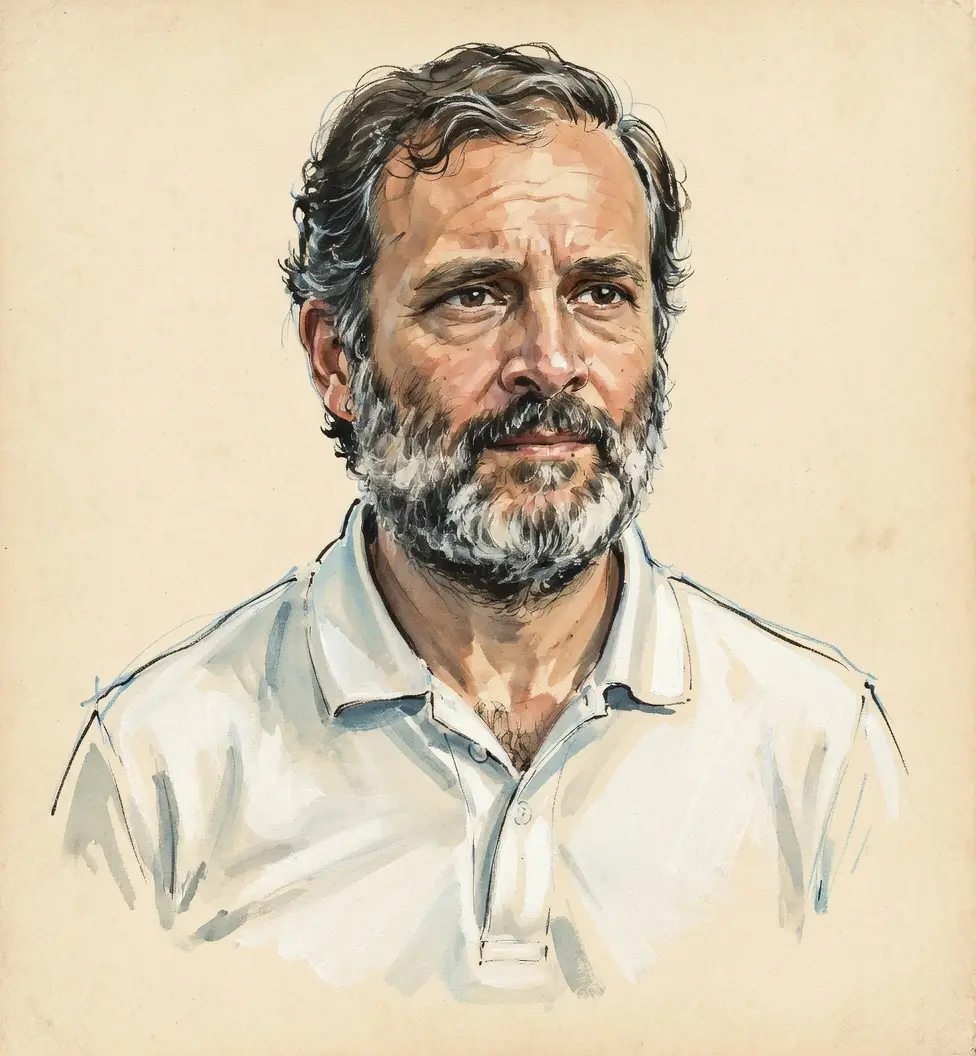
Rahul Gandhi on Foreign Policy
TL;DR
Rahul Gandhi asserts current Indian foreign policy is weak, driven by the exploitation of a compromised individual in power.
Key Points
He stated India's foreign policy is currently the result of exploiting a compromised individual, contrasting it with policy rooted in history and ethos.
He specifically cited concerns in February 2026 that the US would dictate who India could or could not buy oil from, including Russia or Iran.
The opposition criticized the US granting a temporary 30-day waiver for Russian oil purchases as a humiliating development for India's sovereignty in March 2026.
Summary
Rahul Gandhi argues that India's current foreign policy is not a genuine strategy but rather the "result of the exploitation of a compromised individual," referring to the sitting Prime Minister, particularly in relation to external pressures on energy security. He contends that authentic foreign policy should emanate from the collective will of the people and be firmly rooted in India's history, geography, and its ethos of truth and non-violence (Satya and Ahimsa). This critique emerged prominently following the US granting India a temporary waiver to continue purchasing Russian oil, an event he and his party framed as evidence of India ceding strategic autonomy and yielding to foreign dictation.
He has previously warned that global powers would dictate India's energy purchasing decisions, specifically citing instances where the US dictates trade and supply relationships, contrasting this with a situation where the Prime Minister should be making sovereign decisions based on national interest. The stance positions the opposition as advocating for a stronger, more independent foreign policy that resists being overtly influenced by external powers, contrasting the current approach with what he implies was a more assertive, independent tradition followed by past leaderships.
Frequently Asked Questions
Rahul Gandhi's primary position on foreign policy is highly critical of the current administration, which he claims has surrendered strategic autonomy. He believes policy should be based on India's inherent values and collective will, not external coercion.
He strongly criticized the government following the US waiver allowing Russian oil purchases, asserting that the situation proved India's foreign policy was driven by the exploitation of a compromised leader. He suggested this signaled a loss of control over energy security decisions.
The available information suggests a consistent line of critique regarding foreign policy, focusing on accusations of compromise and loss of sovereignty under the current government. There is no immediate indication of a major evolution in his core stated principles.
Sources7
Rahul Gandhi X Post (Status 2029800397020524695)
Rahul Gandhi says India's foreign policy driven by 'exploitation of a compromised individual'
Retweeted Rahul Gandhi - India's foreign policy emerges from the collect...
'Exploitation': Rahul Gandhi takes 'compromised individual' dig at Centre after US waiver on Russian oil
PM 'compromised', ceded national interests: Rahul Gandhi on Russian oil waiver
'PM ran away': Rahul Gandhi targets Modi over US deal and West Asia silence as Lok Sabha adjourned
Exploitation of a compromised individual: Rahul Gandhi on US waiver to India on Russian oil purchase
* This is not an exhaustive list of sources.